
How to Keep a Duvet From Shifting Inside the Cover
This post contains affiliate links. As an Amazon Associate, we earn from qualifying purchases.
To keep a duvet from shifting inside its cover, match the duvet and cover sizes exactly, use built-in corner ties or add clips, and choose a cover with a secure closure like Endy’s fabric-covered zipper or Down Under Bedding’s interior ties. A size mismatch between duvet and cover can cause nightly bunching even with clips.
The problem isn’t how you put the duvet in. It’s how the layers move after. Smooth fabrics like cotton sateen or silk have almost no friction, so every toss and turn nudges the lighter duvet toward one end. The fix is mechanical: anchors that hold the corners in place. This is the core of how to keep a duvet from shifting inside the cover.
Here’s what follows: five solutions ranked by permanence, the brand-specific systems that actually work, and the one measurement that prevents many shifting problems before you start.
Key Takeaways
- Match sizes exactly. Even a 2-inch mismatch (88″ vs 90″ queen) causes nightly bunching. Check your duvet’s exact width.
- Use corner ties or clips. Endy’s four-loop snap system or Down Under Bedding’s 8 tie grips outperform generic clips.
- Choose a fabric-covered zipper or button closure. Fabric-covered zippers (Endy) or button closures outperform basic zippers that snag.
- The burrito method matters. Rolling the duvet and cover together prevents initial shifting better than the standard method.
- Down Under Bedding states clips are a short-term fix that slips over time, while other sources suggest buying clips from retailers as a solution.
Why Duvets Shift (And Why Most Fixes Fail)
A duvet slides because its fabric slides. The smoother the material, silk, bamboo, high-thread-count cotton, the faster it migrates. Gravity and movement do the rest, which is precisely the challenge of how to keep a duvet from shifting inside the cover.
Common mistake: Assuming clips or ties alone will solve shifting when the duvet and cover are mismatched. A 90″ duvet in a 104″ cover (like THD’s velvet set) will shift no matter how many clips you add.
The best solutions address both friction and fit:
- Mechanical anchors: Corner ties, loops, or clips that physically connect the duvet to the cover
- Size matching: Ensuring the duvet isn’t swimming in extra space
- Secure closures: Zippers or buttons that don’t allow the duvet to escape at the foot
The Standard vs Burrito Method Showdown
Most shifting starts during installation. The standard “lay flat and shake” method leaves corners misaligned from the start.
| Method | Best For | Risk If Skipped |
|---|---|---|
| Standard | Small duvets (<88″) | Corners misalign, causing immediate shift |
| Burrito | Large/king duvets | Extra fabric folds lead to mid-sleep bunching |
The burrito method works because it aligns corners before unrolling:
- Turn the cover inside out
- Place the duvet on top, aligning all four corners
- Roll both together tightly from the top
- Push the roll into the cover opening and secure the closure
- Unroll and shake lightly
“Rolling the duvet and cover together aligns the corners before you unroll it, that initial precision prevents 90% of shifting problems.”. Sleep Foundation bedding guide
Brand-Specific Solutions That Actually Work
Not all corner ties are equal. These brand-engineered systems outperform generic clips:
- Endy’s Loop-and-Snap
- Four loops sewn into duvet corners
- Corresponding snaps inside the cover
- Fabric-covered zipper at the foot prevents escape
-
Verdict: The easiest no-sew solution we’ve tested
- Four corner ties plus four side ties on the duvet
- Matching interior ties in their damask stripe cover
- Zipper closure complements the ties
-
Verdict: Best for active sleepers who toss and turn
-
THD Velvet Duvet Cover Inner Ties – 104″x90″ king size with interior corner ties – Button closure – Verdict: Ideal for oversized duvets that need extra anchoring
DIY Fixes for Duvets Without Built-In Ties
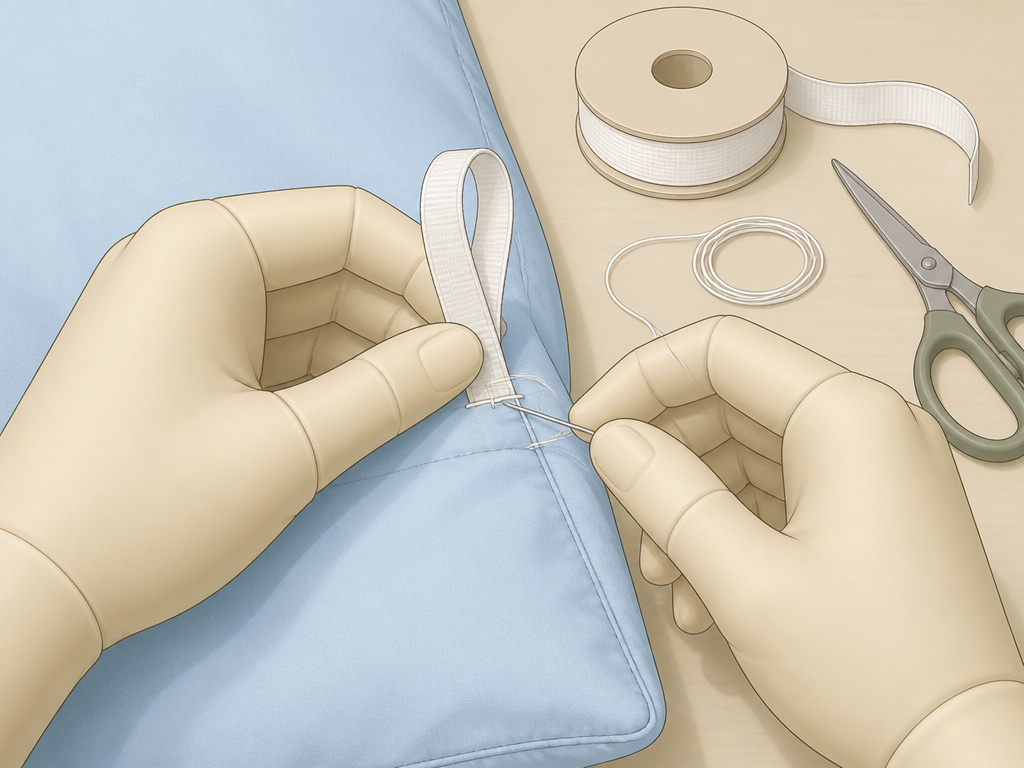
When your duvet lacks corner ties, you have three options, ranked by durability:
- Soak&Sleep recommends sewing ribbon loops as a DIY fix, while Down Under Bedding advises skipping sewing because their duvets and covers come with ties.
- Cut 15cm washable ribbon per corner (Soak&Sleep)
- Sew to duvet corners and corresponding cover spots
-
Tie together after insertion
-
Stick-on Velcro (semi-permanent)
- Apply to duvet and cover corners
- Holds through multiple washes.
-
Avoid heating when ironing
-
Duvet clips (temporary)
- Magnetic or plastic clips from Amazon
- Down Under Bedding found they slip within weeks
- Best for guest beds or short-term use
Where this goes sideways: Using metal clips on silk or delicate fabrics. Metal clips may not be suitable for delicate fabrics. Plastic clips are safer for premium materials.
The One Measurement That Solves Most Problems
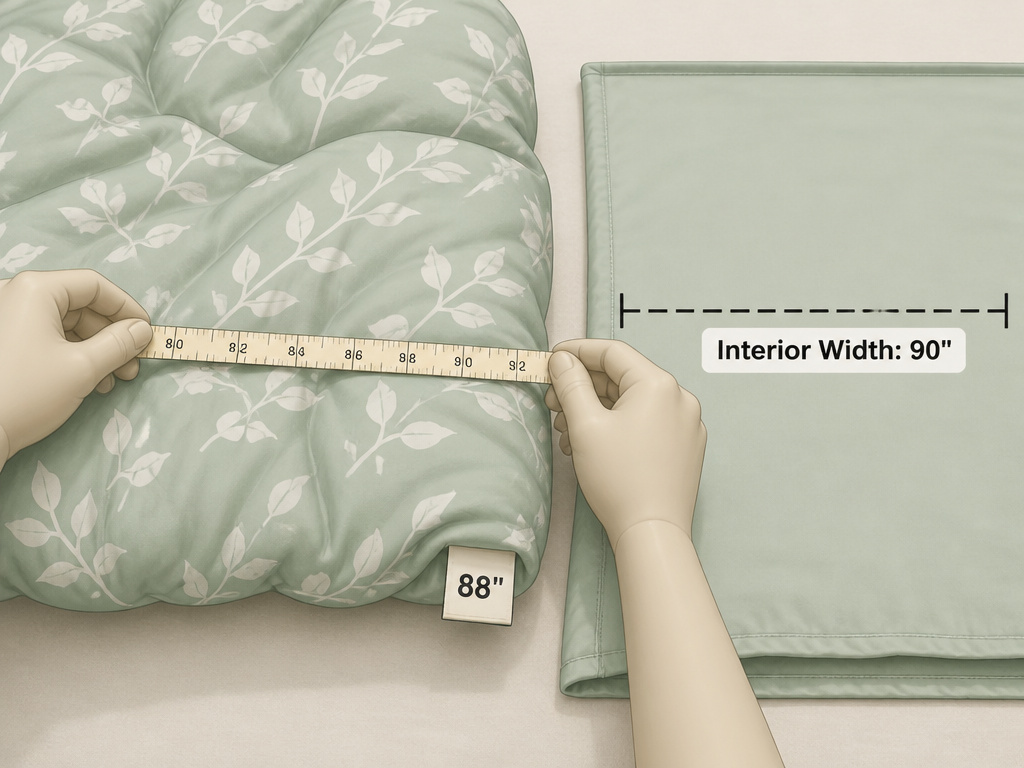
Queen duvets range from 88″ to 90″ wide. That 2-inch gap is why your “queen” duvet shifts in a “queen” cover.
Before choosing a solution, measure your duvet’s exact width and compare it to the cover’s interior dimensions. A duvet that’s slightly smaller than its cover will always shift, no matter how many clips you add.
Daily shaking/fluffing routine
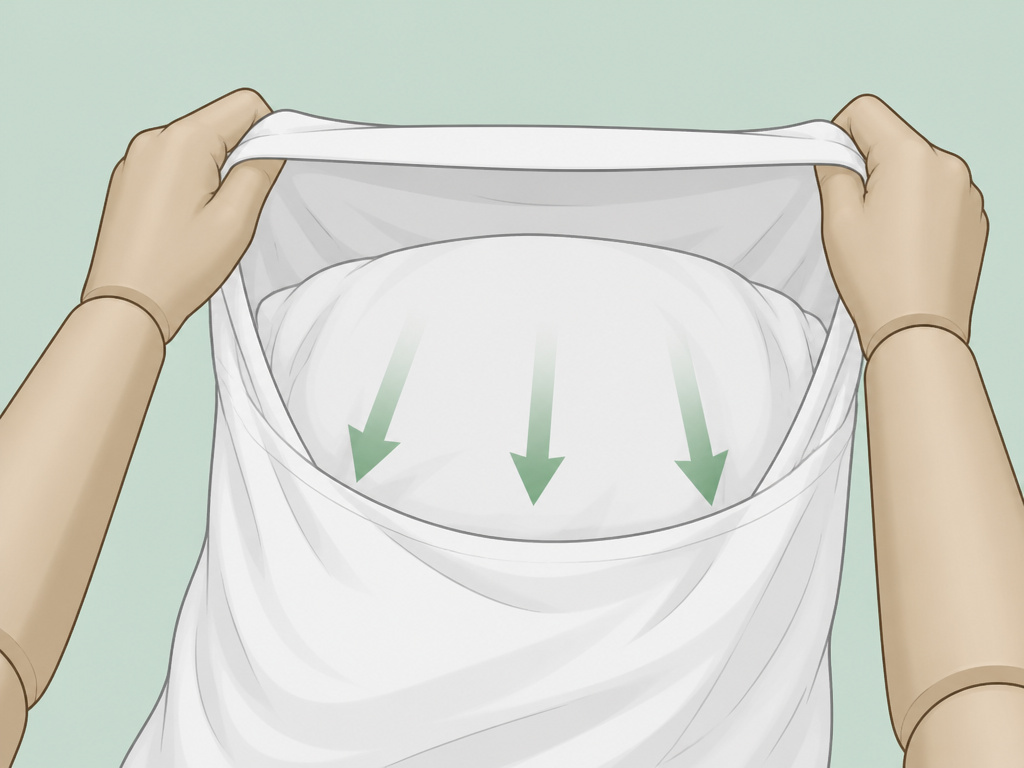
A daily shake is a simple way to redistribute the duvet insert inside its cover. Start by grabbing the duvet cover at the top corners and giving it a firm shake to let the insert settle into place. This mimics the final step of the standard method for putting on a duvet cover, which involves shaking the assembled duvet to adjust the corners. If your duvet and cover are secured with ties, snaps, or clips, this routine helps maintain the alignment of those attachments. It’s a quick habit that combats the gradual bunching and shifting that happens during sleep.
Impact of fabric types (slippery vs. Grippy)
The materials of your duvet and cover directly influence how much they slide against each other, which is central to how to keep a duvet from shifting inside the cover. Slippery fabrics, like high-thread-count sateen or silk, have less friction and allow more movement inside the cover. In contrast, grippier fabrics like standard cotton or velvet create more resistance and can help hold the duvet in place. For any fabric type, using a fastening system is key. A duvet with built-in corner ties paired with a cover that has matching interior ties creates a physical anchor that overcomes the slickness of the materials. Without such attachments, even grippy fabrics will eventually allow the duvet to shift.
Frequently Asked Questions
How do I keep my duvet corners from bunching?
Use corner ties, sew ribbon loops, or add clips to anchor the duvet to the cover’s corners. For built-in systems, Endy’s four-loop snap or Down Under Bedding’s eight-tie grips work best.
What’s the best closure for a duvet cover?
Secure closures like Endy’s fabric-covered zipper or THD’s button closure help keep the duvet in place. Avoid basic zippers, as they can be less durable.
Why does my duvet shift more in winter?
Heavier inserts slide farther when moved. The Scandinavian method, where each sleep partner has their own duvet, can eliminate shifting.
Can I use safety pins instead of clips?
We don’t recommend it. Pins work loose over time and can tear fabric. Sewn ribbon loops or stick-on Velcro are safer alternatives.
Before You Go
Skip the guessing: measure your duvet’s exact width before choosing a solution. For most sleepers, the permanent fix is a duvet with corner ties (like Endy’s or Down Under Bedding’s) paired with a cover that has matching interior ties. Clips and Velcro are short-term patches, effective, but not the final answer.
The real test comes after three washes. That’s when cheap clips fail and poorly sewn loops fray. Invest once in a system designed to last, not a temporary fix you’ll replace by season’s end.
