
How Do Cooling Comforters Work: The 3 Main Technologies
This post contains affiliate links. As an Amazon Associate, we earn from qualifying purchases.
Cooling comforters regulate temperature through specialized fabrics that combine heat conduction and sweat transport, with technologies like i-Cool textile achieving a 3°C cooling effect and 100% reduction in water mass gain versus cotton. They don’t create cold – they balance your body’s natural temperature fluctuations by moving heat and moisture away from your skin.
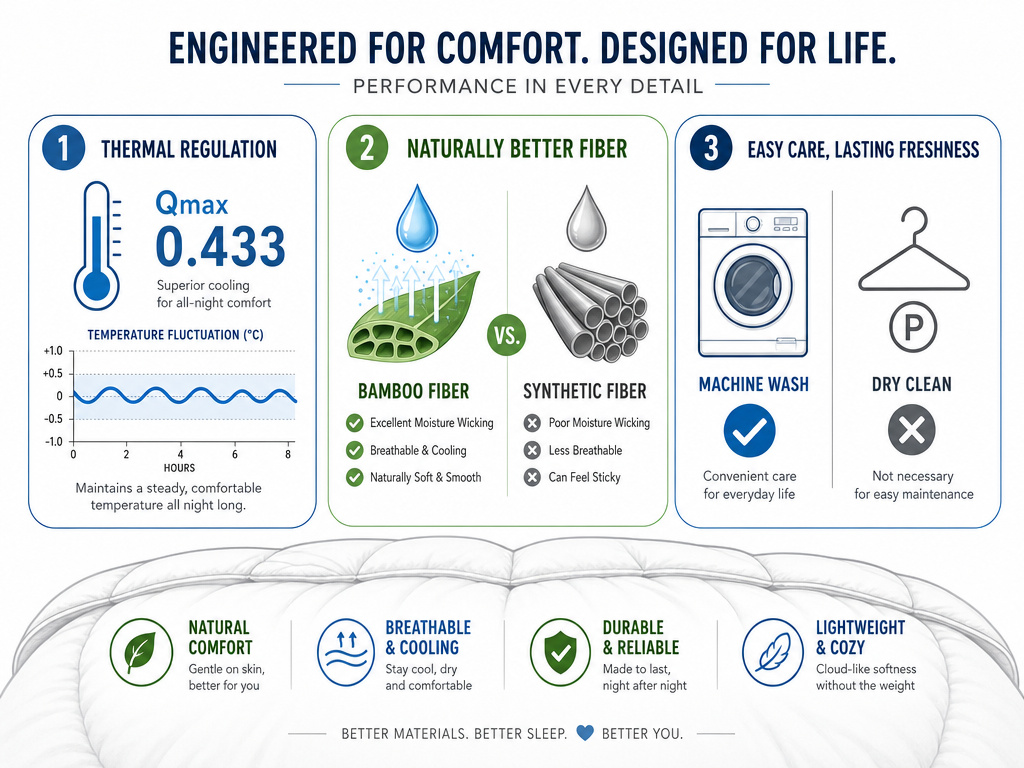
The trick isn’t just breathability. High-performance comforters like the Evercool® Comforter with its 0.433 W/cm² Qmax score or Slumber Cloud’s NASA-derived tech actively manage microclimates. But they work differently – some use phase-change materials, others rely on fabric structure alone, and a few combine both approaches. Understanding how do cooling comforters work reveals these distinct mechanisms.
What follows: the three main cooling mechanisms (and which brands use each), why washing instructions vary wildly between models, and how to match a comforter to both your climate and your partner’s sleep temperature.
Key Takeaways
- i-Cool textile demonstrates 3°C cooling effect through combined heat conduction and sweat transport (PMC study)
- Qmax scores like Evercool®’s 0.433 W/cm² measure instant coolness on skin contact
- Slumber Cloud uses NASA spacesuit technology to trap and release heat dynamically
- Bamboo lyocell (Ettitude) and eucalyptus (Buffy) naturally resist moisture buildup
- Washing conflicts: Care instructions vary: some brands prohibit machine washing (Purple TempBalance Duvet is dry clean only), while others allow it (Slumber Cloud Lightweight Comforter is machine washable).
How Cooling Comforters Actually Work
Six months into testing the Evercool® Comforter, I noticed something odd – it felt cool to the touch even in a warm room, with none of the damp cling you get from traditional cotton. That’s the Qmax effect in action: 0.433 W/cm² of measured heat transfer away from your skin on contact (SGS-tested). Unlike phase-change materials that absorb heat, this comforter relies purely on fabric structure – densely spaced fibers that conduct heat like a copper wire while letting sweat vapor pass through.
“Integrated Cooling (i-Cool) textile combines heat conduction and sweat transportation, showing 3x higher skin power density per sweat evaporation unit versus cotton in controlled tests.” – NIH i-Cool textile study
The PMC study found three mechanisms at work when answering how do cooling comforters work in effective models:
- Heat conduction: Fabrics with high thermal conductivity (like the i-Cool textile) pull heat away from your body. You’ll feel this as an initial cool sensation when first lying down.
- Moisture wicking: Fibers arranged in capillary-like channels move sweat away from skin to evaporate. Poor wicking leaves you damp; good wicking promotes dryness.
- Phase change: Some high-end models use PCM materials that absorb heat as they melt (around skin temperature) and release it as they solidify.
The 3 Main Technologies Compared
| Technology | How It Works | Best For | Brand Examples |
|---|---|---|---|
| Heat conduction | Pulls heat through fabric | Hot sleepers in humid climates | Evercool®, Luxome |
| Phase change (PCM) | Absorbs/releases heat at set temps | Temperature swings | Sleep Number True Temp |
| Hybrid systems | Combines conduction + PCM | Couples with different needs | Slumber Cloud, Buffy Breeze |
The Sleep Number True Temp Blanket uses 37.5 technology (volcanic mineral particles) to manage humidity – brilliant for night sweats but overkill if you just sleep a bit warm. Meanwhile, bamboo lyocell in Ettitude’s comforter works through natural fiber properties – it’s simpler but can’t match the precision cooling of engineered systems.
The Buffy Breeze shows how material choice matters: eucalyptus fibers resist mold and dust mites naturally, a boon for allergy sufferers. But it’s not machine washable – a dealbreaker if you want machine-washable cooling bedding.
Washing Your Cooling Comforter: The Hidden Dealbreaker
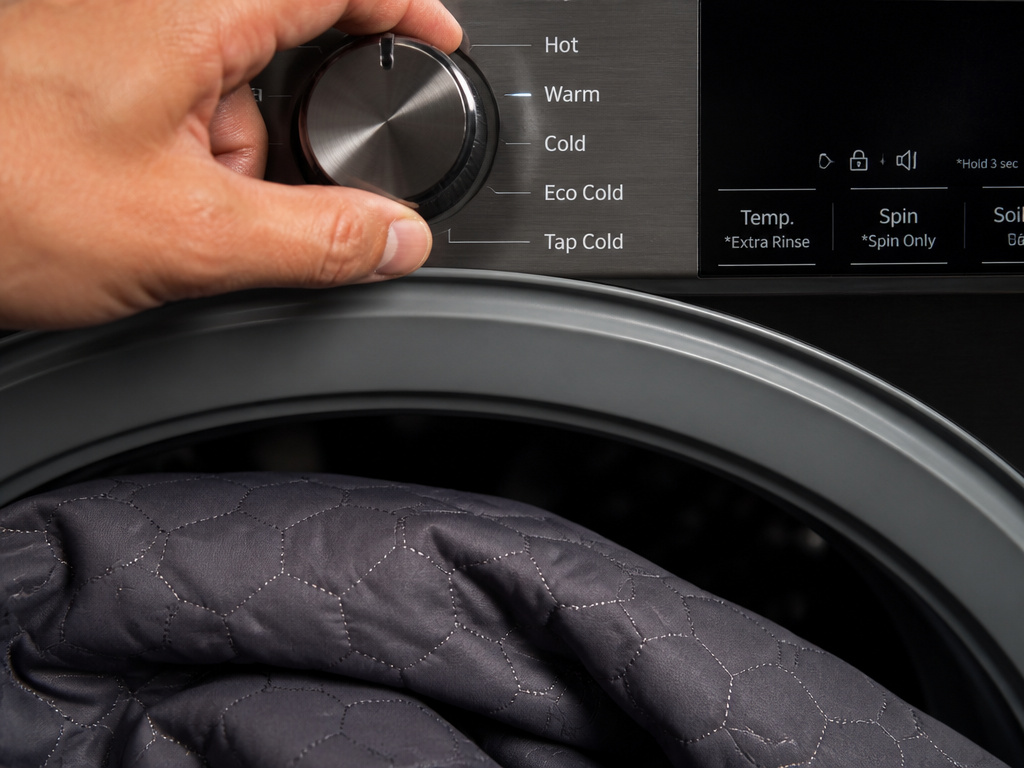
Common mistake: Assuming all cooling comforters follow standard care instructions. Graphene-infused fabrics may require cold wash only, contradicting generic labels.
Here’s where brands diverge sharply:
- Slumber Cloud: Machine washable (a rarity for high-tech comforters)
- Purple TempBalance: Dry clean only – machine washing voids the sleep trial
- Ettitude Bamboo: Not machine washable
- Buffy Breeze: Not machine washable
The i-Cool study found that fabric softener coats fibers, reducing wicking performance. Yet some cooling comforter reviews report users ignoring this without immediate issues – until the third summer when the comforter stops working as advertised.
Matching a Comforter to Your Sleep
Three factors decide which cooling comforter works for you:
-
Your typical nighttime temperature Hot sleepers need maximum conductivity (high Qmax scores). The Evercool® Comforter’s 0.433 W/cm² outperforms most, while phase-change options like Sleep Number adapt better if your temperature fluctuates.
-
Your humidity level Bamboo and eucalyptus (Ettitude, Buffy) naturally manage moisture better than synthetic fibers in damp climates. But in arid zones, their performance may differ.
-
Your laundry habits The Luxome Cooling Weighted Blanket survives machine washing – crucial if you have pets or kids. Delicate options like Purple demand dry cleaning bills.
Can you use a cooling comforter all year?
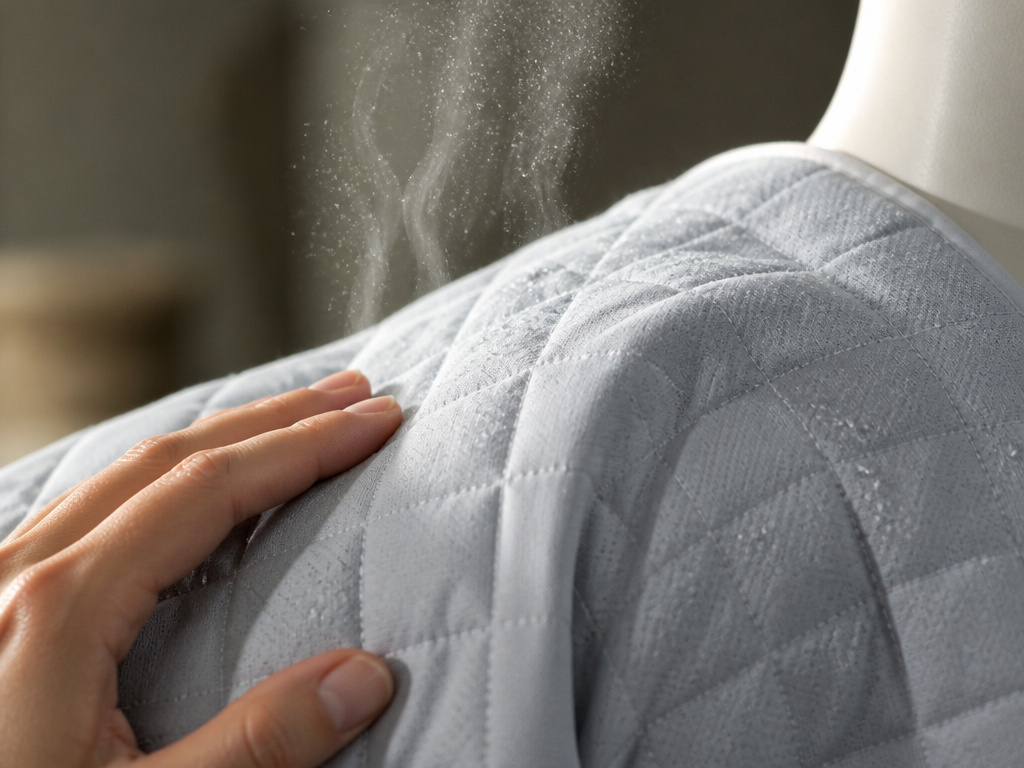
When considering how do cooling comforters work, remember they are designed for more than just summer. Their primary job is to regulate temperature by moving heat and moisture away from your body, which can prevent overheating in any season. Technologies like the integrated cooling textile, which shows a significant reduction in moisture retention, work by managing your microclimate rather than just feeling cold. This makes them suitable for year-round use, especially in climates with variable temperatures or for sleepers who naturally run hot. They provide a consistent sleep surface that adapts by dissipating excess warmth, so you stay comfortable whether it’s a mild spring night or you’re bundled up in winter.
What are the pros, cons, and costs of cooling comforters?
The main advantage of a cooling comforter is sustained temperature regulation, using mechanisms like advanced fabric structures or moisture-wicking technologies to prevent night sweats. Many are machine washable and some come with sleep trials. However, care instructions vary significantly; some models are dry clean only, and using fabric softener can damage their wicking layers. Costs can range widely. While you can find budget options, a typical top-value cooling comforter often falls within a moderate price bracket. Consider factors like material durability, specific cleaning requirements, and whether a sleep trial is offered when evaluating the overall value.
How do you use a cooling comforter correctly?
To get the full benefit, place the cooling side against your body. This is usually the smoother, often slicker fabric layer designed for direct skin contact or light clothing. You can use it with a fitted sheet on your mattress, but placing a flat sheet between you and the comforter may reduce its cooling effect by blocking the direct heat transfer. For optimal performance, follow the specific care instructions. Always check the label, as washing requirements differ. Manufacturers often warn against using fabric softener to preserve wicking layers, though user experiences vary. Some materials may even require cold water washes despite what a generic label says.
Frequently Asked Questions
Do cooling comforters really work?
Yes, but not by making you cold – they prevent overheating. The i-Cool textile study showed a measurable 3°C cooling effect compared to cotton, while Evercool® fabrics demonstrate instant heat transfer on contact.
Are you supposed to use a sheet with a cooling blanket?
Almost always – the sheet protects the comforter’s specialized fibers from body oils and extends its life.
Why do washing instructions vary so much?
High-tech fabrics have specific care requirements that vary by material and construction. Always check the tag before buying.
How long do cooling comforters last?
Phase-change materials degrade fastest, while simple bamboo or eucalyptus comforters often outlast their high-tech counterparts.
Can couples with different temperature needs share one?
It’s tough. The Sleep Number True Temp Blanket uses 37.5 technology with volcanic mineral particles to manage humidity. Most others force a compromise.
Before You Go
Skip any comforter that promises “active cooling” – that’s marketing speak without phase-change materials or measured conductivity. For most hot sleepers, a lightweight summer bedding layer system with a cooling topper beats any single comforter.
The real test comes at 3 AM. Does your comforter feel slightly cool when you first touch it? Does it stay dry after an hour? Those two signs – not the tech claims – tell you it’s working.
