
How to Layer Bedding: The Order That Keeps You Comfortable
This post contains affiliate links. As an Amazon Associate, we earn from qualifying purchases.
The right bedding layers go from firmest at the bottom to softest on top: mattress pad first, then any temperature-regulating layers (like the Sleep Number DualTemp™), followed by a fitted sheet, flat sheet (optional), blanket or duvet, and finally decorative pillows. Keep the DualTemp™ layer covered with a comforter or quilt to maintain temperature, and never place a mattress pad on top of it. For cooling performance, Sleep Number recommends turning on the DualTemp™ layer 20 minutes before bed.
Most guides skip the specifics of where temperature-regulating layers fit in the stack. The DualTemp™ layer’s placement affects both its performance and the comfort of your other bedding, which is why knowing how to layer bedding is crucial. One wrong layer order can leave you too hot, too cold, or fighting with bunched-up sheets at 2 a.m.
This guide explains the science-backed layering sequence, how to handle specialty layers like the DualTemp™, and the adjustments that keep everything in place through the night, which is the core of how to layer bedding. You’ll learn the hotel trick for crisp folds, why thread count matters less than weave, and how to spot when your layers are working against each other.
Key Takeaways
- Place temperature-regulating layers like the Sleep Number DualTemp™ between your mattress pad and fitted sheet for optimal performance
- For cooling, preheat your bed for 20 minutes before getting in and maintain 72°F room temperature
- The DTU Thermal Manikin Study found bedding insulation ranges from 1.06 to 5.71 clo depending on coverage and materials
- Never stack two DualTemp™ layers on the same side of the bed or place a mattress pad on top of them
- A folded quilt at the foot of the bed adds texture and gives an extra layer when temperatures drop
The Right Order for Layering Bedding
Start with the mattress pad, the foundation that protects your mattress. Next comes any specialty layers like the Sleep Number DualTemp™, which should sit directly on top of the pad. Here’s why:
Technical Detail: The DualTemp™ layer requires direct contact with the fitted sheet above it to transfer temperature effectively. Placing a mattress pad on top creates insulation that reduces heating/cooling performance, according to Sleep Number.
The debate around mattress pad placement, a key part of how to layer bedding, stems from conflicting manufacturer advice. Sleep Number’s user guide says the DualTemp™ layer should be used on top of your mattress and mattress pad, and underneath a fitted sheet only, and not to place a mattress pad on top. Their support site says to place your DualTemp™ layer on top of your mattress pad. For now, follow your specific model’s manual.
After the temperature layer comes the fitted sheet, then (if you use one) a flat sheet. The flat sheet’s corners should tuck tightly under the mattress to prevent midnight escapes. Next, add your primary insulator, a down duvet, quilt, or electric blanket, followed by any decorative layers.
Common mistake: Adding a mattress topper above the DualTemp™ layer. This blocks airflow and can void the warranty on heated/cooled bedding systems.
How to Use a Temperature-Regulating Layer Like DualTemp™
The Sleep Number DualTemp™ layer isn’t “set and forget.” Three settings make the difference between waking up comfortable and waking up to adjust the remote:
- Turn it on 20 minutes early (per Sleep Number’s manual) so the bed reaches temperature before you get in
- Always keep it covered with a blanket, comforter, or quilt, uncovered layers lose heat/coolant faster
- Set a 3-5 hour timer if you tend to wake up too warm or cold; the system will shut off automatically
Owners report the biggest performance jump comes from pairing the DualTemp™ with breathable sheets. Flannel and microfleece trap heat even on the cool setting, while linen and percale cotton let the system work as designed.
Where this goes sideways: Using two DualTemp™ layers on the same side of the bed. The manual warns this can overheat the system and trigger safety shutoffs. If you need dual-zone temperature control, place the second layer on the opposite side with at least five minutes between connections.
The DTU Thermal Manikin Study measured how bedding insulation changes with coverage. At 23.3% body coverage (just shoulders), insulation averaged 1.06 clo. Full 94.1% coverage under a duvet hit 5.71 clo. That’s why Sleep Number insists on covering the DualTemp™, it needs the trapped air to work.
Seasonal Adjustments: Summer vs. Winter Layering
| Season | Base Layers | Middle Layer | Top Layer | Coverage |
|---|---|---|---|---|
| Summer | Mattress pad + DualTemp™ cool | Percale sheet | Light quilt | 54.4% |
| Winter | Mattress pad + DualTemp™ warm | Flannel sheet | Down duvet + folded quilt | 94.1% |
The DTU study tested four coverage levels (23.3%, 54.4%, 70.6%, 94.1%) across three room temperatures (18.6°C, 22.6°C, 26.4°C). Their finding: coverage matters more than thickness for warmth. A summer setup with 54.4% coverage (just torso and legs) feels cooler than a full-wrapped light blanket because less body heat gets trapped.
Pro tip: Fold a quilt or coverlet at the foot of the bed in summer. It adds texture during the day and gives you an easy extra layer if nights turn chilly.
Solving Common Bedding Layer Problems
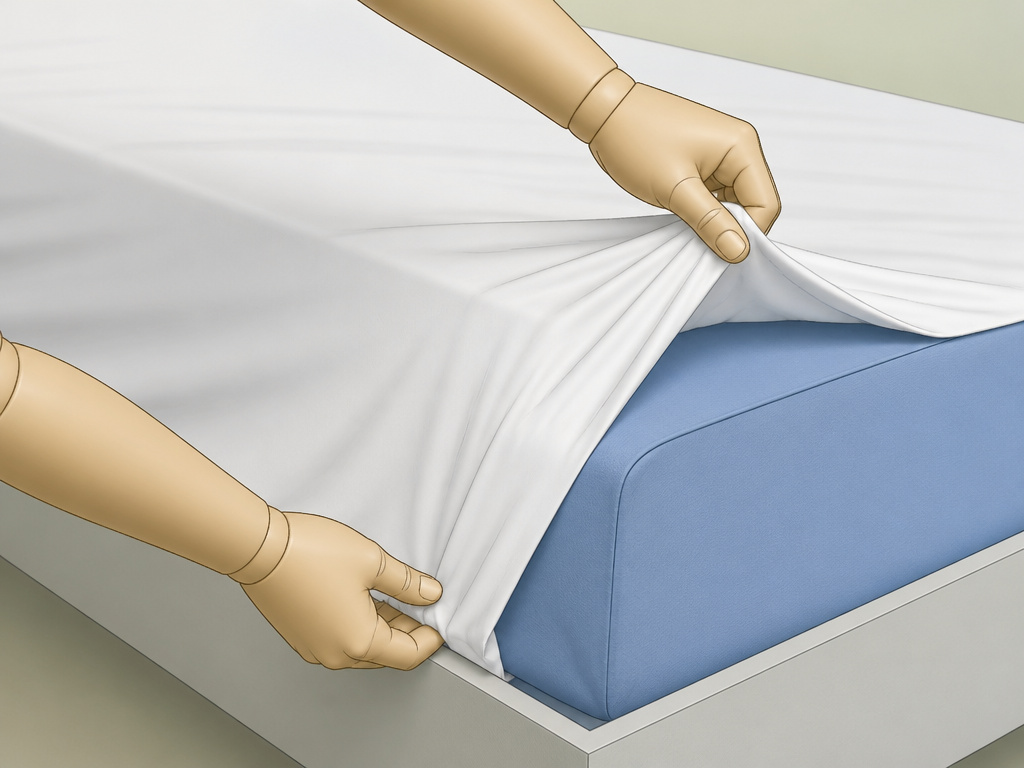
“My Duvet Bunches Up Inside the Cover”
The fix lives in the corners. Look for duvet inserts with corner ties and covers with matching loops, the eight-point anchor system keeps everything in place. Cheaper duvets shift because they lack these ties, leading to cold spots where the fill clumps.
“The Flat Sheet Always Ends Up on the Floor”
Hotels use a trick called “hospital corners”, fold the sheet’s end under the mattress at a 45-degree angle, then tuck the sides straight down. This creates tension that keeps sheets put. For hotel-style beds, iron your flat sheet before this fold; the crispness helps it hold.
“My Heated Layer Feels Too Hot Even on Low”
First, check that no mattress pad sits on top of your DualTemp™ (a common error). Then verify your top layers, a down comforter over a heated blanket will roast you. Switch to a lighter quilt or wool blanket that breathes better.
Pillow Arrangement and Types
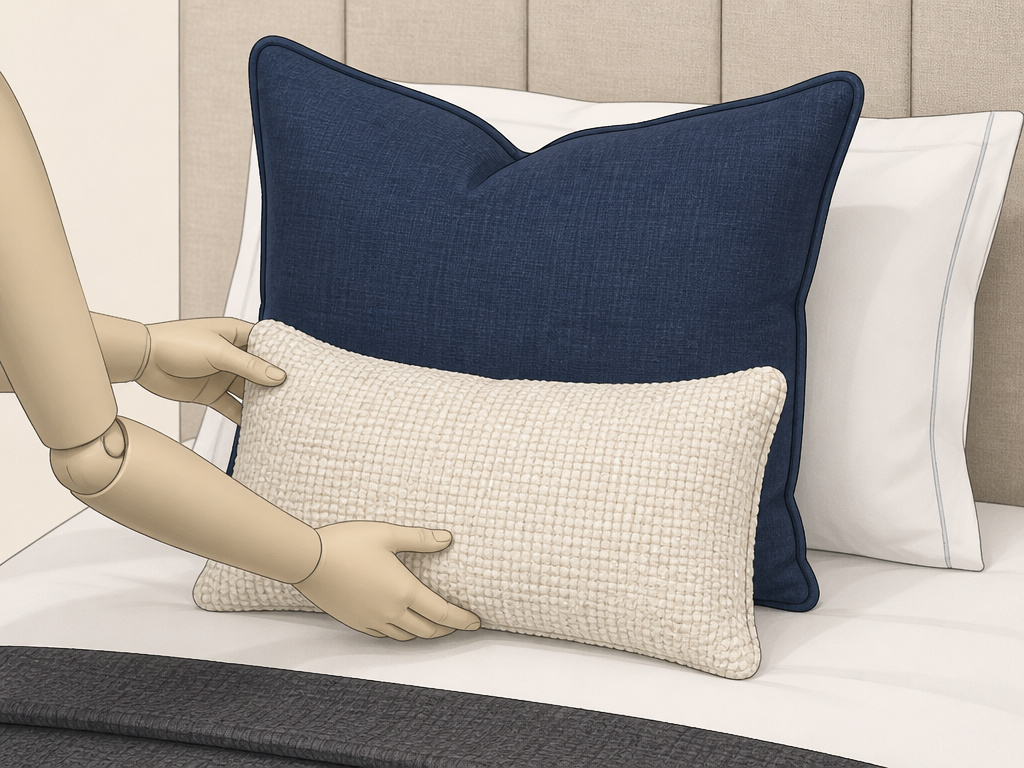
Start with your sleeping pillows, the ones you actually rest your head on. Place them against the headboard. In front of these, add larger decorative pillows like Euro shams to build height and structure. Finally, place smaller accent pillows, such as lumbar or boudoir pillows, at the very front. This layered arrangement creates a sense of depth and luxury. Varying the sizes, textures, and colors of your pillows adds visual interest and makes the bed feel more inviting and complete.
Creating a Hotel-Like or Designer Look
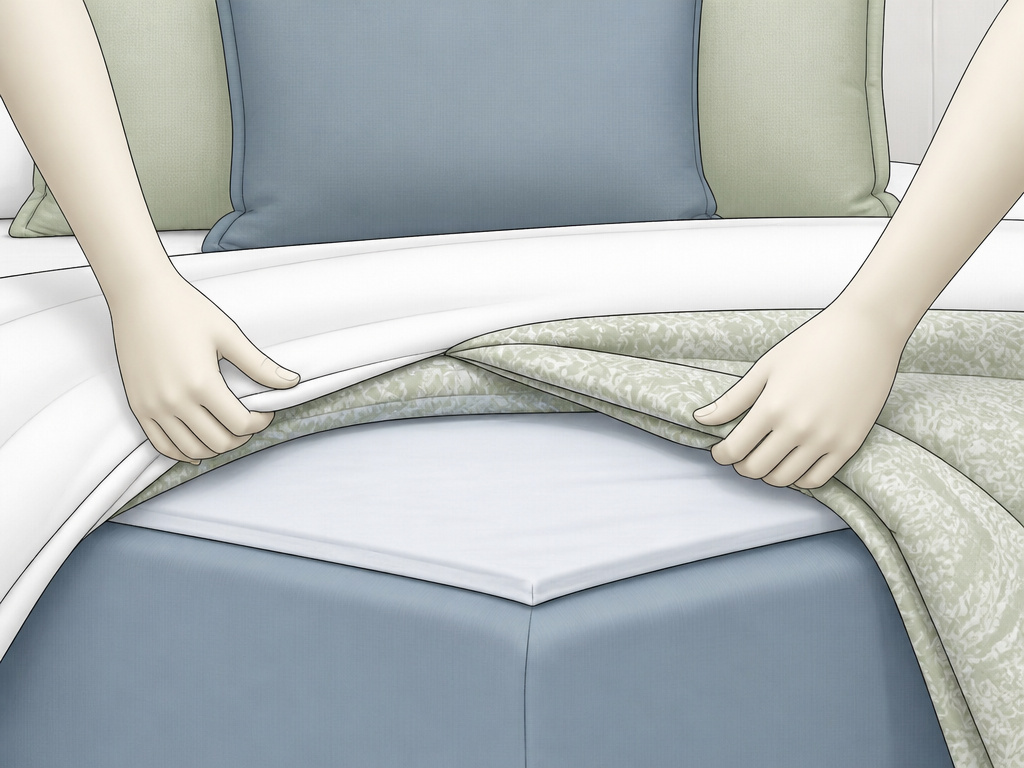
The hallmark of a designer bed is intentional, visible layering. Achieve this by using a mix of textures and fabrics. Start with a flat sheet over your fitted sheet, allowing a generous overhang on the sides. Add a lightweight blanket or coverlet, folded at the foot of the bed. Top it with a duvet or quilt, which is the main insulating layer. The key is to fold these top layers back to reveal the textures underneath. Crisp, clean lines and a balanced, symmetrical arrangement of pillows complete the polished, intentional aesthetic.
Frequently Asked Questions
Can I put a weighted blanket over my DualTemp™ layer?
Yes, but only if the blanket’s weight sits evenly across the bed. Avoid stacking heavy blankets directly over the heating/cooling hoses, which can kink them.
How often should I wash my bedding layers?
Mattress pads: every 2-3 months. Sheets: weekly. Duvet covers: every 2-4 weeks. The DualTemp™ layer itself should only be spot-cleaned, never submerged.
Why does my DualTemp™ layer stop working after a few hours?
It’s likely the auto-shutoff. Adjust the timer to 3-5 hours if you’re waking up uncomfortable. Persistent issues may mean blocked airflow around the heating/cooling source.
Before You Go
One rule most bedding guides miss: if your temperature-regulating layer stops performing after a year, check the hose connections before replacing the unit. Mineral buildup from hard water can clog the system, a vinegar soak often restores full airflow. Everything above assumes proper maintenance.
For hotel-level crispness without the work, learn the hospital corner technique with your flat sheet. That one fold does more to keep layers in place than a dozen decorative pillows.
