
10 Best Pillows For Neck Pain in 2026
This post contains affiliate links. As an Amazon Associate, we earn from qualifying purchases.
Our best overall pillow for neck pain is the Tempur-Pedic TEMPUR-Ergo Neck Pillow for its extra-firm, contouring support that maintains spinal alignment. The Osteo Cervical Pillow wins for best adjustable design, and the Mediflow Fiber Water Pillow is the top clinically proven choice. If you wake up with a stiff, achy neck, your pillow likely isn’t supporting your head and cervical spine in a neutral position. This guide, based on product specifications, expert insights, and patterns in owner feedback, will help you identify the right support for your sleep style.
Top 10 Pillows For Neck Pain in the Market
Certain content that appears on this site comes from Amazon. This content is provided "as is" and is subject to change or removal at any time.
The Best Pillows For Neck Pain, Reviewed
Tempur-Pedic TEMPUR-Ergo Neck Pillow

What We Like
- Extra-firm TEMPUR-Material maintains shape for support
- Removable, machine-washable cover for hygiene
- Five-year limited warranty and CertiPUR-US certification
- Designed for proper spinal alignment in side and back positions
Trade-offs
- A 4-inch profile may be too low for some sleepers
- Extra-firm feel is not suitable for stomach sleepers
The extra-firm feel of the TEMPUR-Material is the decisive feature, as it resists collapsing under head weight to keep the neck elevated and aligned all night. This makes it a premium choice for side and back sleepers who need consistent, unyielding support to relieve neck muscle strain. Its medium profile and contoured design follow the body’s natural curve, which helps prevent the head from tilting.
The Tempur-Pedic TEMPUR-Ergo Neck Pillow offers a fixed, extra-firm 4-inch profile, which means its support level is consistent and cannot be altered. Unlike some other cervical pillows, such as the UTTU Adjustable Cervical Pillow, this design does not include adjustable inserts for customizing loft. This makes it a dedicated solution for the specific sleeping postures it’s designed for, backed by a straightforward five-year warranty.
Product photos
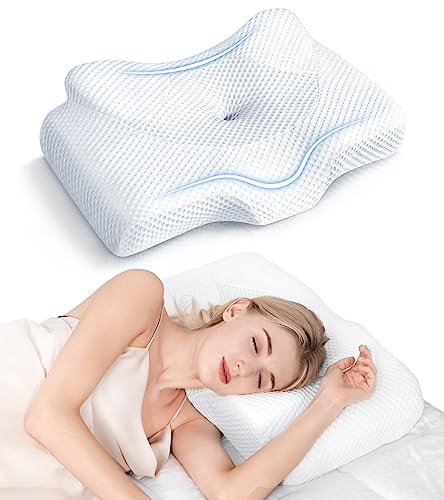
Osteo Cervical Pillow for Neck Pain Relief
What We Like
- Hollow-center design cradles head for alignment
- Four height adjustments via rotation and insert
- Breathable cover for temperature regulation
- Certified materials without harmful substances
Trade-offs
- Requires 48-hour airing period before first use
- At 4.0 pounds, it is heavier than most foam pillows
- Comfort varies with individual body shape and sleep position
A pillow with four adjustable height options means you can stop hunting for the perfect loft. The Osteo pillow achieves this through a simple 180-degree rotation for two distinct heights, plus a removable insert for further fine-tuning. This makes it a strong candidate for anyone whose sleep position or comfort needs shift from night to night. The hollow center is designed to maintain cervical curve alignment, which aims to relieve pressure for side, back, and stomach sleepers.
Osteo advises airing the pillow for 48 hours before use, so you should plan ahead for its full expansion and odor dissipation. At 4.0 pounds, it has a substantial heft that can feel anchoring on the bed. This required airing period is a noted step for initial setup.
Product photos
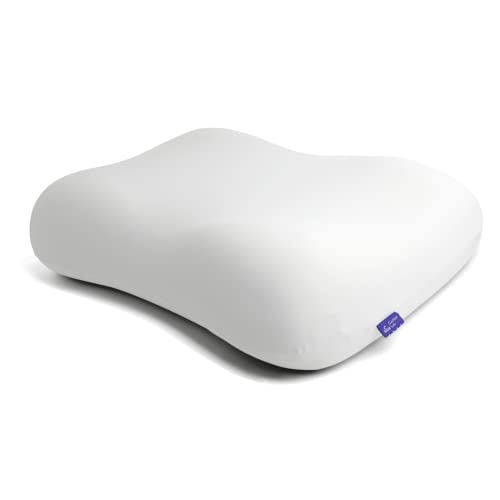
C CUSHION LAB Deep Sleep Pillow
What We Like
- Patented ergonomic contour for side and back sleepers
- Dual-density memory foam with soft top layer
- Smooth, anti-wrinkle pillowcase fights skin creases
- Sculpted side bolsters and shoulder line design
Trade-offs
- 7.1-inch width is narrow, offering minimal surface area
- Non-adjustable, fixed-height foam design
The C CUSHION LAB Deep Sleep Pillow features a patented contour shape, which creates a design intended for changing sleep positions. Its sculpted side bolsters and sweeping shoulder line are made to provide targeted support for side and back sleeping. The dual-density memory foam combines a soft top layer with an adaptive support foundation, the manufacturer’s approach to cradling the head. This pillow is built for someone who moves during the night.
That specific 15.8-inch length is the main trade-off. It’s notably shorter than most competitors, like the Osteo Cervical Pillow, so your head won’t have much room to stray from the center support zone. The narrow 7.1-inch width reinforces that focused, stay-in-place intent. If you prefer a pillow with more sprawling real estate or the ability to add or remove fill, you’d look toward an adjustable model. This one bets everything on its fixed ergonomic shape doing the work for you.
Product photos
Mediflow Fiber Water Pillow

What We Like
- Clinically proven by an independent Johns Hopkins study
- Fully adjustable waterbase for all sleeping positions
- Two-layer design for cushioned comfort and responsive support
- FDA registered as a medical device
Trade-offs
- Water layer requires manual adjustment to find personal firmness.
The single most decisive fact is its backing by an independent Johns Hopkins clinical study, which demonstrated significant reduction in neck pain. This isn’t just a claim from the manufacturer; it’s a documented outcome that sets it apart in a category full of personal testimonials. It suits someone who prioritizes evidence-based solutions and wants a pillow that adapts to them, rather than forcing their neck into a preset shape. The two-layer system provides a plush feel atop a genuinely customizable support base.
Its water-based core creates a distinct feel compared to solid foam pillows like the Tempur-Pedic TEMPUR-Ergo Neck Pillow. The adjustable water layer requires manual tuning of firmness and height to achieve its personalized support, rather than offering a preset cradle. This design provides a fully customizable fit that adapts to your head and neck for targeted relief.
DONAMA Cervical Pillow

What We Like
- Dual-height design accommodates side and back sleepers
- Patented side wing trench relieves arm numbness for side sleepers
- Full-coverage ice silk cover promotes cooling all night
- Contour design locks head to reduce sleep-position shifts
Trade-offs
- 5.51-inch loft may be too high for petite side sleepers
- Memory foam requires 48-hour expansion period
- Spot-clean only care limits washing options
The patented arm relief trench is the defining feature here, directly addressing the shoulder pressure and hand numbness that often plagues side sleepers. That 15-degree tilted center cavity is designed to lock your head in place, which the product claims reduces sleep-position shifts significantly. This makes the DONAMA pillow a strong candidate for anyone who wakes up with a stiff neck from tossing and turning. Its dual-height design also offers a lower profile for back and stomach sleepers, giving it a versatile edge in a multi-position household.
The DONAMA pillow’s 100% uniform ice silk coverage aims to regulate temperature from all sides, which could help sleepers who typically flip a pillow to find a cool spot. Its dual-height design provides a 5.51-inch loft for side sleepers and a 3.54-inch option for back or stomach sleepers, offering two fixed support levels. Unlike pillows with adjustable fill, this memory foam model provides a single, consistent contour once it expands.
Product photos
Cozyplayer Ultra Pain Relief Cooling Pillow

What We Like
- Hollow concave design cradles head at 15° angle
- Six contour zones target pressure points
- Adjustable for customized sleep height
Trade-offs
- Memory foam may require 48-hour airing for odor
- Cooling effect varies by individual and ambient conditions
- Sleep experience requires an adjustment period
The hollow concave surface tilted at a 15-degree angle is engineered to cradle your head and maintain the natural curve of your neck. This makes the Cozyplayer a distinct option for sleepers who want the contouring of a cervical pillow but find traditional designs too rigid or pronounced. Its six contour zones aim to distribute pressure across the neck, shoulders, and arms, which could help alleviate stiffness for side and back sleepers seeking comprehensive support.
The promised cooling effect comes from a specialized pillowcase, though the manufacturer notes results depend on personal factors. It’s a feature-focused memory foam pillow, so if you prefer a more adaptable or proven material, the water-based adjustability of a pick like the Mediflow Fiber Water Pillow might be a better fit. This one asks for a bit of patience to air out and adjust to its specific shape.
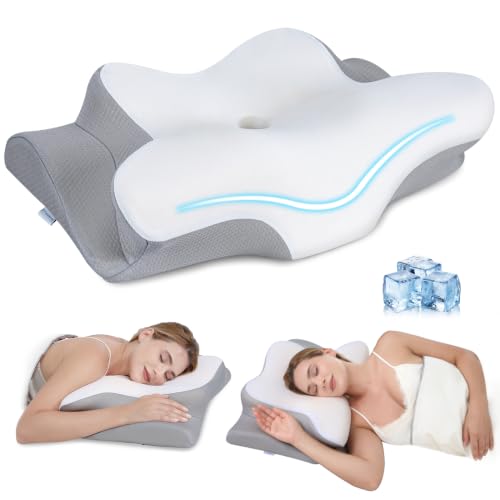
Missleep Cervical Neck Pillow
What We Like
- Dual-height contour adapts to side, back, or stomach sleeping
- Certified non-toxic, odor-free memory foam provides slow rebound
- Breathable, cooling ice silk cover is removable and washable
- Ergonomic shape aligns the spine and eases neck pressure
Trade-offs
- Fixed contour design offers less customization than adjustable fill pillows
A patented dual-height contour means you can flip the pillow to match your preferred sleeping position without adding or removing fill. This makes the Missleep pillow a straightforward choice for someone who shifts between side and back sleeping through the night and wants consistent cervical support. The certified memory foam and breathable cover address core concerns about material safety and sleeping cool, which are common priorities when shopping for a therapeutic pillow.
This pillow uses a US-patented ergonomic memory foam contour, so it naturally cradles your head and neck to align the spine. Its design provides two heights, letting side, back, or stomach sleepers flip it 180 degrees for different support levels. The fixed shape offers consistent support, but lacks the personalized loft adjustment found in water-based pillows.
UTTU Adjustable Cervical Pillow

What We Like
- Adjustable loft for customized neck alignment
- Foam stays soft in cold weather
- Breathable cover for cooling sleep
- Machine-washable cover simplifies care
Trade-offs
- Lowest loft is 3.2 inches, still high for strict stomach sleepers
The adjustable loft is the main event here, letting you tune the pillow’s height by removing a middle layer. You start with a choice between a 5.2-inch and a 4.5-inch contour, then drop down to 4.0 and 3.2 inches. That range covers most side and back sleepers who need firm support but might want to dial it in over time. The UTTU DYNAMIC FOAM is also specified to avoid getting hard in the cold, which means its pressure-relieving feel should stay consistent year-round.
The UTTU pillow’s key advantage is its adjustable loft, which lets you fine-tune the height for different sleeping positions after purchase. Its breathable, machine-washable cover simplifies maintenance. At three pounds, it is heavier than the Royal Therapy pillow but lighter than the Osteo model, a practical middle ground for handling and bed-making.
Product photos
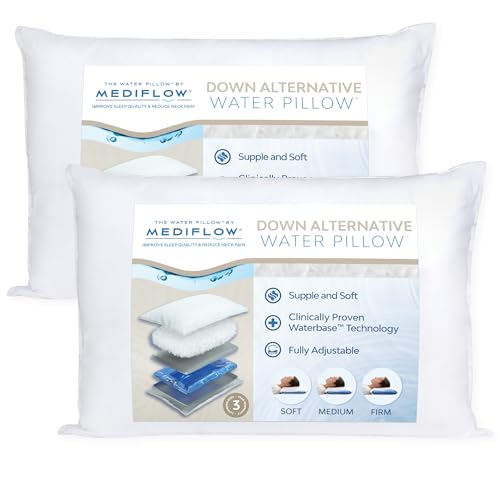
Mediflow Down Alternative Water Pillow
What We Like
- Adjustable waterbase for personalized neck support
- Suitable for all three primary sleeping positions
- Down-alternative fill avoids common allergen concerns
- 25-year design history of clinical endorsement
Trade-offs
- Water component requires initial setup and adjustment
- At 3.1 pounds, it is heavier than the fiber version
The adjustable waterbase is the defining feature, letting you dial in the exact firmness to cradle your neck regardless of how you sleep. That makes it a versatile pick for households with mixed sleep styles or for anyone whose comfort needs change night to night. The down-alternative shell adds a plush, breathable surface that sidesteps the allergens of real down, which is why it stands out in its category.
The Mediflow Down Alternative Water Pillow uses an adjustable waterbase that you fill yourself, which adds a step to your routine compared to simply fluffing a standard pillow. Unlike a fixed-shape memory foam option such as the Osteo Cervical Pillow, its firmness is customized by changing the water level. This allows it to adapt to side, back, and stomach sleeping positions once the preferred amount of support is set.
Product photos
Royal Therapy Memory Foam Pillow

What We Like
- Three-layer design allows customizable loft height.
- Breathable, moisture-wicking bamboo rayon cover.
- Contoured shape supports cervical spine alignment.
- Medium firmness balances support and plushness.
Trade-offs
- The adjustable design requires manual layer removal, a fixed step.
A three-layer memory foam construction lets you remove the center piece to dial in the pillow’s height. This core feature suits anyone whose shoulder width or sleeping position doesn’t match a one-size-fits-all loft. The adjustability, paired with a medium-firm CertiPUR-US foam, works for sleepers who need precise cervical support but dislike an unyielding feel. Its breathable bamboo cover adds a practical, cool touch.
Adjustment comes from removing a fixed inner foam layer, a one-time setup rather than a dynamic system like the Mediflow Fiber Water Pillow’s fill chamber. At 1.1 pounds, it is lighter than many contour pillows, which contributes to its pliable, conforming support instead of a dense, immovable feel.
How We Evaluated Pillows For Neck Pain
Our evaluation began by analyzing product specifications and manufacturer documentation for key support features like loft height, contour design, and material composition. We then consulted expert round-ups from medical and orthopedic sources to understand the criteria that matter most for cervical alignment. Finally, we looked for consistent patterns in verified owner feedback regarding comfort, durability, and relief from morning stiffness.
The most important factors were spinal alignment support for specific sleep positions, the adjustability of the pillow’s loft or firmness, and the quality and care of the materials. We prioritized designs proven to keep the ears aligned with the shoulders and the chin level. Because this is a research-based guide, we cannot provide hands-on comfort impressions or long-term durability data beyond what owners report.
What To Look For In Pillows For Neck Pain
Choosing the right pillow involves more than just comfort; it’s about maintaining the natural curve of your cervical spine throughout the night. The wrong support can lead to strained muscles and persistent morning pain.
The key is a pillow that keeps your head neutrally aligned with your spine. Prioritize loft height for your sleep position, followed by material support and adjustability options.
Sleep Position & Loft Height
Your primary sleep position dictates the ideal pillow height, or loft. For back sleepers, a medium loft of around 4 to 5 inches helps maintain the neck’s natural curve without pushing the head forward. Side sleepers need a higher loft, typically 5 to 6 inches, to fill the space between the ear and shoulder and keep the spine straight. Stomach sleepers require a very low, flat pillow, often under 3 inches, to minimize neck twisting, though transitioning to side or back sleeping is often recommended for better alignment.
Support Material & Design
The pillow’s fill material determines how well it supports and shapes to your neck. Memory foam is popular for its contouring hug and consistent support, offering a cradle for the head. Cervical or orthopedic pillows have a pre-shaped contour with a central dip and raised edges to cradle the neck. Water-based pillows offer adjustable firmness by allowing you to add or remove water, providing customizable support. Each material has a different feel and recovery time, so your personal preference for plushness versus firmness is important.
Adjustability & Care
Adjustable features let you fine-tune the pillow after purchase, which is valuable as your needs may change. Look for designs with removable inserts, layered foam, or a water chamber that lets you modify the loft and firmness. This customization can be crucial for finding your perfect alignment. Also consider care instructions; a removable, machine-washable cover is essential for hygiene and maintaining a clean sleep surface.
- Check if the pillow requires a multi-day airing period to off-gas odors.
- Verify the warranty length as an indicator of expected durability.
- Confirm the cover material for breathability and comfort against your skin.
A pillow that doesn’t spring back to shape when folded is likely past its supportive life.
Pillows For Neck Pain Compared
The table below compares key specifications across our top picks to highlight their differences in design and adjustability.
| Product | Core Material | Cover Material | Dimensions (inches) | Weight (lbs) |
|---|---|---|---|---|
| Tempur-Pedic TEMPUR-Ergo Neck Pillow | TEMPUR-Material | Polyester | 20.0 x 12.8 x 4.0 | 3.3 |
| Osteo Cervical Pillow for Neck Pain Relief | Odorless memory foam | 3D mesh cooling case | 25.5 x 16.5 x 5.2 | 4.0 |
| C CUSHION LAB Deep Sleep Pillow | Dual-density memory foam | Anti-wrinkle, washable cover | 15.8 x 7.1 x 0.0 | 4.0 |
| Mediflow Fiber Water Pillow | Fiber fill top, waterbase bottom | N/A | 28.0 x 20.0 x 4.5 | 1.9 |
| DONAMA Cervical Pillow | CertiPUR-US memory foam | 100% uniform ice silk | N/A | N/A |
| Cozyplayer Ultra Pain Relief Cooling Pillow | 98% breathable memory foam | Q-Max 0.4 Arc-Chill cooling | 23.2 x 13.4 x 5.1 | N/A |
| Missleep Cervical Neck Pillow | Memory foam | Ice silk | 24.0 x 14.0 x 0.1 | 3.2 |
| UTTU Adjustable Cervical Pillow | UTTU DYNAMIC FOAM memory foam | Breathable fabric | 23.6 x 14.0 x 4.7 | 3.0 |
| Mediflow Down Alternative Water Pillow | Down alternative and water | N/A | 28.0 x 20.0 x 0.1 | 3.1 |
| Royal Therapy Memory Foam Pillow | CertiPUR-US memory foam | Rayon bamboo | 24.0 x 14.0 x 5.0 | 1.1 |
Frequently Asked Questions
What is the best kind of pillow for neck pain?
The best kind supports your specific sleep position to maintain neutral spinal alignment. For most side and back sleepers, a contour-shaped memory foam or adjustable water pillow often provides the targeted support needed. Stomach sleepers generally need a very thin, flat pillow to avoid twisting the neck.
What kind of pillow do chiropractors recommend for neck pain?
Chiropractors typically recommend pillows that promote proper cervical alignment, such as orthopedic or cervical contour pillows. These are designed to cradle the neck and keep the head level with the shoulders, reducing strain on muscles and ligaments overnight.
How often should I replace my pillow for neck pain?
Replace your pillow when it no longer springs back to its original shape, which typically occurs every one to two years with regular use. A flattened or lumpy pillow fails to provide consistent support, which can exacerbate or cause neck pain.
Can a pillow make my neck pain worse?
Yes, a pillow that is too high, too low, or too soft can force your neck into an awkward angle all night, straining muscles and ligaments. This misalignment is a common cause of morning stiffness and pain, highlighting why proper pillow selection is critical.
Are firm or soft pillows better for neck pain?
Firmer pillows are generally better for neck pain as they provide consistent support to maintain alignment. Very soft pillows allow the head to sink in too deeply, which can tilt the chin toward the chest for back sleepers or let the head drop for side sleepers, disrupting spinal alignment.
The Bottom Line
The Tempur-Pedic TEMPUR-Ergo Neck Pillow is the best overall choice for side and back sleepers who want a firm, contouring pillow that reliably holds its supportive shape night after night. For sleepers who need to personalize their support, the adjustable Osteo Cervical Pillow or the clinically proven Mediflow Fiber Water Pillow are excellent alternatives.
If you’re on a budget or have specific needs like side-sleeper arm relief or down-alternative fill, look to the corresponding award winners in our list. Ultimately, the most important factor is choosing a pillow with the correct loft and firmness to keep your cervical spine neutrally aligned in your primary sleep position.
