
10 Best Pillows For Posture in 2026
This post contains affiliate links. As an Amazon Associate, we earn from qualifying purchases.
Our best overall pillow for posture is the Mellow CloudAlign Memory Foam Pillow for its adaptive dual-height design that supports multiple sleep positions. The patented C Cushion Lab Deep Sleep Pillow offers a fixed orthopedic contour, while the clinically proven Mediflow Fiber Water Pillow provides adjustable firmness.
A pillow that misaligns your neck and spine can lead to morning stiffness and chronic discomfort. Finding one that properly supports your specific sleep position is key to postural relief. Our research identifies ten top options based on specifications, expert round-ups, and patterns in owner feedback to help you find the right fit.
Top 10 Pillows For Posture in the Market
Certain content that appears on this site comes from Amazon. This content is provided "as is" and is subject to change or removal at any time.
The Best Pillows For Posture, Reviewed
Mellow CloudAlign Memory Foam Pillow

What We Like
- Ergonomic contour for neck and spine alignment
- Dual-height design adapts to sleep position
- Pressure-relieving memory foam conforms to shape
- Breathable, hypoallergenic and washable cover
Trade-offs
- At 4.0 pounds, it is heavier than the Mediflow Fiber Water Pillow
The dual-height design is the decisive feature, letting you flip between a higher and lower profile to match your body and preferred sleep position. This makes the CloudAlign a versatile choice for side, back, and stomach sleepers who want a single pillow that can adapt, promoting neck and shoulder support through its contoured memory foam shape. Its breathable, washable cover also simplifies long-term maintenance.
Designed with a contoured shape and targeted support zones, the Mellow CloudAlign pillow cradles your head and promotes spinal alignment, which suits those seeking orthopedic posture support. Its ergonomic form provides a set-it-and-forget-it experience, unlike pillows with adjustable loft. For some, that specific shape can feel too structured compared to a flat, malleable surface.
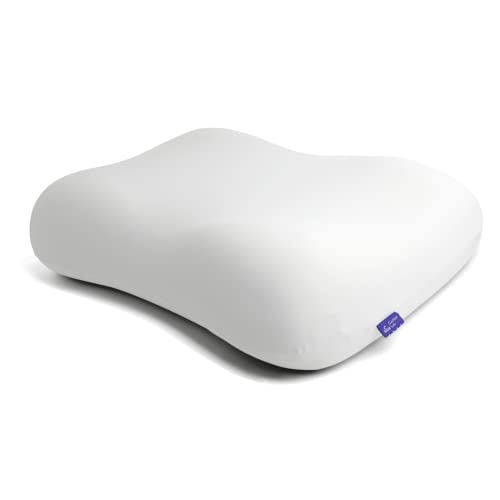
C Cushion Lab Deep Sleep Pillow
What We Like
- Patented contour design supports side and back sleeping
- Dual-density foam provides adaptive, pressure-relieving cushioning
- Smooth, anti-wrinkle cover aims to reduce skin creases and hair frizz
Trade-offs
- The specific orthopedic shape may not suit stomach sleepers
- Non-adjustable loft relies solely on its fixed contour design
A patented ergonomic contour means this pillow is engineered to maintain neck alignment whether you sleep on your side or your back. Its dual-density memory foam aims to cradle the head while providing a firm foundation, and the specialized cover is designed to minimize morning creases and frizz. This is a pillow built for a specific purpose: delivering uninterrupted, position-conscious support throughout the night for side and back sleepers who want a set-and-forget solution.
The pillow’s 15.8-inch length is shorter than many standard models, like the 28-inch Mellow CloudAlign pillow, so it provides a more compact sleeping surface. Its patented contour design offers a single, fixed shape intended to support side and back sleeping positions. This makes it a dedicated tool for those specific postures rather than a universally adaptable one.
Product photos
Mediflow Fiber Water Pillow

What We Like
- Clinically proven to reduce neck pain via Johns Hopkins study
- Fully adjustable firmness for all sleeping positions
- Unique two-layer design combines plush comfort and responsive support
- Trusted and recommended by healthcare professionals globally
Trade-offs
- Water chamber requires maintenance and adjustment, unlike a set-and-forget foam design
The Mediflow pillow is the only one in the guide backed by a clinical study from Johns Hopkins, which means its claims about reducing neck pain aren’t just marketing. This is for someone who needs a doctor-vetted solution, not just a comfortable shape. Its fully adjustable water base lets you dial in the exact loft and firmness, making it a genuinely universal fit for side, back, and stomach sleepers who want personalized support without guessing at pillow firmness levels.
Its distinct feel comes from the two-layer design. The waterbase and fiber fill create dynamic, fluid support instead of the fixed cradle of a memory foam pillow like the Tempur-Pedic TEMPUR-Ergo. This requires a commitment to maintaining the water chamber, which involves more hands-on adjustment than simply plumping a standard pillow.
Tempur-Pedic TEMPUR-Ergo Neck Pillow

What We Like
- TEMPUR-Material provides precise, shape-holding support
- Removable, machine-washable hypoallergenic cover
- Designed for proper spinal alignment for side and back sleepers
- Extra-firm feel maintains support all night
Trade-offs
- A 4.0-inch profile is too low for sleepers needing more loft
- The 20-inch length may not suit those who move frequently
The extra-firm TEMPUR-Material is the defining feature, holding its shape precisely to cradle your head and neck without sinking. This creates a consistent, unyielding support surface ideal for side and back sleepers who feel other pillows go flat. It’s for someone who wants their pillow to do the work of keeping their spine aligned, not the other way around.
With a 4.0-inch medium profile, the Tempur-Pedic TEMPUR-Ergo Neck Pillow offers a lower sleeping surface than some other ergonomic options. For example, the Mellow CloudAlign Memory Foam Pillow stands at 4.3 inches high. This specific height provides a more contained feel designed for proper alignment in side and back sleeping positions.
Product photos
DreamyBlue Gusseted Sapphire Pillow

What We Like
- Adjustable loft for all sleep positions
- Includes bonus fill for personalized height
- Breathable gel bead and foam blend
Trade-offs
- At 8 inches tall, initial loft may be too high for stomach sleepers
- Requires manual fill adjustment to find ideal support
An adjustable loft gives you direct control over support. You can add or remove the shredded memory foam and poly tuft fill through an easy-access zipper, making it suitable for side sleepers with broad shoulders or anyone seeking neutral spinal alignment. The included bag of bonus fill lets you tailor the profile from slim to substantial. At 30 inches long, the pillow provides a generous sleeping surface.
The pillow’s design requires you to adjust the fill to match your sleeping position. This differs from pillows with a fixed shape, like many contoured memory foam models, which offer no customization. The effort to set it up results in a personalized fit that a single-piece foam pillow cannot provide, which is useful if your preferred sleeping position changes.
Product photos
Cozyplayer Ultra Pain Relief Pillow

What We Like
- Hollow concave design cradles head and aligns spine
- Cooling pillowcase reduces skin temperature
- Six contour zones target neck and shoulder pressure
- Multiple height adjustments for personalized support
Trade-offs
- Requires a 48-hour airing period for initial odor
- Cooling effect varies by individual and ambient conditions
A 15-degree tilted hollow concave surface is the central feature, designed to cradle your head while maintaining your neck’s natural curve. This makes the Cozyplayer a logical choice for someone seeking structured, orthopedic support from a traditional pillow shape. Its six contour zones and the breathable memory foam aim to address pressure points across the neck and shoulders. The cooling pillowcase is a specified attempt to manage heat, a common complaint with memory foam.
Its unique hollow concave shape, tilted at a 15-degree angle, is designed to cradle the head and align the spine, which targets neck pain directly but requires your body to fit its specific contours. The design demands an initial 48-hour airing period for any memory foam odor and an adjustment time for your sleep position. For those who prefer a less structured support system, the Mediflow Fiber Water Pillow presents an alternative adjustable design.
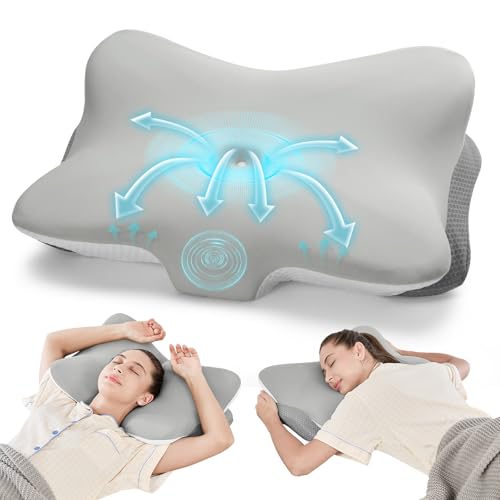
JOYENERGY Ergonomic Memory Foam Pillow
What We Like
- Dual-height design with removable foam layer for customization
- Breathable silk pillowcase with 3D mesh technology
- Patented hollow contour cradles head at a 15° angle
- Widened armrest grooves aim to prevent shoulder numbness
Trade-offs
- Requires 24-hour airing to dissipate initial odor from packaging
- Contour shape is a specific fit, not a traditional flat pillow
- Dual-height system relies on a removable insert that can be misplaced
Its dual-height design, enabled by a removable foam layer, is the main appeal for anyone whose comfort changes between sleeping positions or who shares the pillow with a partner of a different size. The patented hollow contour cradles the head at a 15° angle, while widened armrest grooves aim to reduce shoulder pressure. This makes a case for office workers or travelers. The manufacturer states the orthopedic pillow provides firm yet gentle support for people who sleep on their side, back, or stomach.
The pillow arrives in vacuum-sealed packaging, which protects it from dust. It does require 24 hours in a well-ventilated area to fully expand and dissipate its initial odor before first use. Among other products, the JOYENERGY pillow’s dual-height feature offers a different approach to adjustability. For example, the Mediflow Fiber Water Pillow uses a water core, while the DreamyBlue Gusseted Sapphire Pillow has an adjustable loft of shredded memory foam.
Product photos
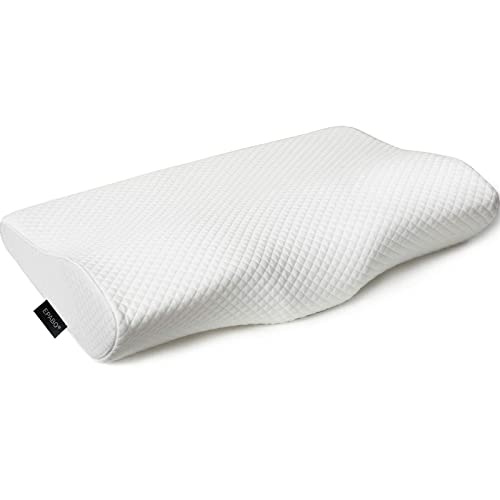
EPABO Contour Memory Foam Pillow
What We Like
- Ergonomic contour design aligns head and neck.
- Hypoallergenic, chemical-free materials for safety.
- Breathable foam and fabric promote cool sleep.
- Full refund guarantee within 30 days.
Trade-offs
- Firm 6.1-inch height may be too high for some.
- Initial adjustment period can cause discomfort.
- Queen size measures a narrow 9 inches wide.
A 6.1-inch firm contour profile delivers targeted cervical support at a notably low weight, making it a straightforward orthopedic entry. The design aims to position the spine for back, side, and stomach sleepers, though its fixed, substantial height requires a commitment to the adjustment period the manufacturer mentions. The package is complete with a proprietary blend pillowcase and hinges on a no-questions return policy.
The EPABO pillow’s 9-inch width and distinct contour shape position it as a dedicated cervical support pillow rather than a general bedding cushion. This ergonomic design aims to align the head, neck, and shoulders, which the brand states can help users fall asleep faster. Its firm memory foam construction provides a defined sleeping posture, though the company notes some users may experience initial discomfort while adjusting over the first two weeks.
Product photos
DONAMA Cervical Pillow

What We Like
- Patented arm trench relieves shoulder pressure
- Full-coverage cooling fabric regulates temperature
- Dual-height design accommodates all sleep positions
- High-density foam provides firm cervical support
Trade-offs
- 15° tilted head cavity may feel restrictive
- Requires 48-hour expansion period out of packaging
- Spot-clean only, cannot be fully submerged
A built-in arm relief trench makes this pillow a clear choice for side sleepers who wake up with numb hands. The patent describes a widened side wing that lets your arm rest naturally, channeling blood flow to reduce pressure on the shoulder and neck. Its dual-height ergonomic contour, with a 5.51-inch loft for side sleeping and a 3.54-inch option for back sleepers, uses 65D density memory foam to cradle the cervical spine from C1 to C7. That combination of structural support and specific pressure relief is what earns it the spot for best arm relief design.
The trade-off for that targeted support is a 15° tilted center cavity designed to lock your head in place, which some find too confining if they move around a lot at night. Compared to a more adaptable shredded foam pillow like the DreamyBlue Gusseted Sapphire, the DONAMA offers a firmer, more prescriptive alignment. Its uniform ice silk cover does a thorough job of dissipating heat across the entire surface, not just the top, which helps mitigate the warmth retention typical of dense memory foam.
Product photos
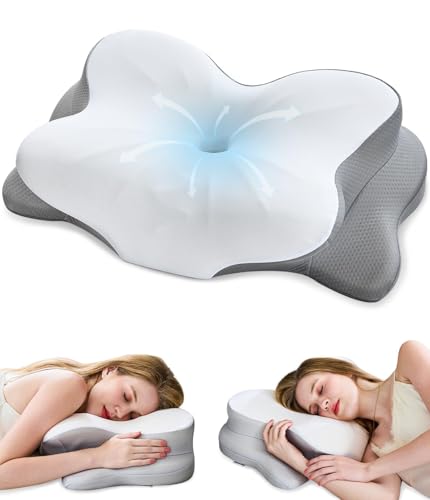
CosBed Cervical Neck Pillow
What We Like
- Odorless, certified memory foam core
- Dual-height design for customizable support
- Breathable, removable cooling cover
- Contoured shape for cervical alignment
Trade-offs
- A 3.0-pound weight may feel substantial for some
Its memory foam is certified by OEKO-TEX and CertiPUR-US and is described as odorless, which means you get the conforming support of foam without a chemical smell. The dual-height contour lets you fine-tune the neck stretch by rotating the pillow 180 degrees, and the removable, machine-washable cover simplifies upkeep.
The pillow’s fixed, contoured shape provides alignment for people who sleep on their side, back, or stomach. It lacks the pliable adaptability of a pillow like the DreamyBlue Gusseted Sapphire, which uses shredded foam you can shift around. For someone who prioritizes a certified, odorless sleep environment and consistent neck support, this pillow’s specifications deliver. Its design accommodates all sleeping positions according to its description.
How We Evaluated Pillows For Posture
Our evaluation is research-based, focusing on manufacturer specifications, expert recommendations from chiropractors and physical therapists, and consistent patterns in verified owner feedback. We prioritized criteria proven to affect spinal alignment: pillow height (loft) relative to sleep position, material firmness and durability, and specialized design features like contours or adjustability.
We compared each pillow’s stated dimensions, fill material, and design claims against expert guidance, such as the need for side sleepers to have higher loft or the benefit of contour shapes for back sleepers. We also looked for consistent user reports on comfort over time, pressure relief, and any adjustment periods. A limitation of a research-led evaluation is that we cannot assess subjective comfort firsthand, which varies by individual body type and preference.
What To Look For In Pillows For Posture
Selecting the right pillow involves more than just firmness; it requires matching specific features to your body and how you sleep. The goal is to maintain a neutral spine from your head down through your shoulders.
The key factors are loft (height), which must suit your sleep position; material firmness for consistent support; and specialized design, like contours for cervical alignment or adjustability for fine-tuning.
Sleep Position & Loft
Your sleeping posture dictates the necessary pillow height. Side sleepers generally need a higher, firmer loft to fill the space between their ear and shoulder, keeping the neck aligned. Back sleepers benefit from a medium loft to support the natural curve of the cervical spine without pushing the head forward.
Stomach sleepers need a very low loft or no pillow at all to prevent neck strain. Many pillows for all sleep positions offer adjustable fill, allowing you to customize the height.
Support Material & Firmness
The core material determines how well the pillow maintains supportive shape. Memory foam and latex are favored for their structured, contouring support that resists flattening. As noted in expert reviews, these materials can reduce neck fatigue compared to softer fills like down. For those seeking a different feel, options like water chambers or gel bead blends offer a unique, customizable firmness. Durability is also key; a quality foam should rebound nightly, while an adjustable fill lets you add or remove material over time.
Specialized Design Features
Posture pillows often include design elements targeting spinal alignment. Contour or orthopedic shapes with a central dip cradle the head and support the neck’s natural curve, making them a strong choice for back sleepers. Features like arm trenches or widened edges can relieve shoulder pressure for side sleepers. Adjustability, whether through removable foam layers or added fill, is invaluable for dialing in the perfect fit, especially for combination sleepers or those between sizes. Exploring ergonomic pillows or therapeutic pillows can reveal designs focused on specific support needs.
- Measure your shoulder-to-ear distance when lying on your side to estimate your needed loft.
- Check if the pillow’s width accommodates your movement if you shift positions at night.
- Consider a trial period, as experts recommend allowing a week or two to adjust to a new support shape.
The right pillow should keep your head, neck, and shoulders in a straight line, regardless of how you sleep.
Pillows For Posture Compared
For a quick view of how our top picks compare across key specifications, see the table below.
| Product | Fill Material | Height Options | Cover |
|---|---|---|---|
| Mellow CloudAlign Memory Foam Pillow | Memory foam | Dual height design | Removable, machine-washable |
| C Cushion Lab Deep Sleep Pillow | Dual-density memory foam | N/A | Anti-wrinkle FreshFace pillowcase |
| Mediflow Fiber Water Pillow | Fiber fill top, waterbase bottom | Water level controls firmness/height | N/A |
| Tempur-Pedic TEMPUR-Ergo Neck Pillow | N/A | Medium (4.0 inches) | Removable polyester knit |
| DreamyBlue Gusseted Sapphire Pillow | Shredded memory foam | Adjustable via zipper | N/A |
| Cozyplayer Ultra Pain Relief Pillow | N/A | N/A | Q-Max 0.4 Arc-Chill cooling |
| JOYENERGY Ergonomic Memory Foam Pillow | High-density memory foam | Dual-height design | Breathable silk with mesh |
| EPABO Contour Memory Foam Pillow | N/A | N/A | Rayon/polyester blend |
| DONAMA Cervical Pillow | Premium memory foam | 3.54" & 5.51" loft | 100% uniform ice silk |
| CosBed Cervical Neck Pillow | Slow-rebound memory foam | Dual-height contour | Removable, machine-washable |
Frequently Asked Questions
What kind of pillow is best for posture?
Pillows designed with ergonomic shapes and supportive materials are best for posture. Contour pillows, which have a curved design with a lower center and raised edges, are often recommended by experts for back sleepers to maintain cervical alignment. Side sleepers may benefit more from a high-loft pillow with firm support, while adjustable options suit those who switch positions. The goal is to choose a pillow that keeps your spine in a neutral line.
Do posture correcting pillows work?
Yes, when matched correctly to your sleep position and body type, they can be effective. Research indicates that pillow shape is a significant factor in reducing sleep-related neck and shoulder symptoms. Contour pillows and other supportive designs aim to prevent the head from tilting at awkward angles, which can strain muscles and ligaments overnight. An adjustment period is common as your body acclimates to the new support.
What pillow do chiropractors recommend?
Chiropractors often recommend pillows that promote neutral spinal alignment, such as ergonomic contour or orthopedic designs. Specific recommendations vary based on the individual’s sleep position and any existing pain. Many experts suggest firmer materials like memory foam or latex that maintain their supportive shape, and some point to adjustable options so sleepers can customize the height and firmness for their unique needs.
What is the best pillow to support my neck and shoulders?
The best pillow for neck and shoulder support depends heavily on whether you sleep on your side or back. Side sleepers need a pillow tall enough to bridge the gap from shoulder to ear, often requiring a higher loft. Look for features like arm grooves or widened edges to prevent shoulder numbness. Back sleepers often find relief with pillows for neck alignment that have a contoured shape to cradle the cervical spine.
How do I know if my pillow is causing bad posture?
Signs your pillow may be harming your posture include waking up with neck stiffness, shoulder pain, or headaches. If you find yourself constantly folding your pillow or stacking two to feel supported, the loft is likely wrong for you. Another clue is if your head tilts upward or downward when lying on your side, rather than staying parallel to the mattress. These are indicators it’s time to evaluate a more supportive option, such as pillows for bad posture.
The Bottom Line
The Mellow CloudAlign Memory Foam Pillow is our best overall pick for its versatile dual-height design that adapts to side and back sleeping, providing consistent ergonomic support. For sleepers with a strict budget or a need for clinically validated relief, the EPABO Contour Memory Foam Pillow and Mediflow Fiber Water Pillow are strong respective choices.
Ultimately, the most important factor is matching the pillow’s loft and firmness to your primary sleep position. A pillow that maintains a neutral spine alignment is the foundation of waking up without pain. This makes it worth the time to research and select the right design, whether that’s among contour pillows or orthopedic pillows.
