
10 Best Beds For Arthritis Sufferers in 2026
This post contains affiliate links. As an Amazon Associate, we earn from qualifying purchases.
For arthritis sufferers, the right mattress cushions tender joints and maintains spinal alignment, which can help reduce morning stiffness and pain. Our research points to the Purple Mattress GelFlex Grid as the best overall for its unique grid that cradles hips and shoulders without a deep sink. For those who prefer deep, body-conforming support, the Tempur-Pedic Adapt 2.0 Memory Foam Mattress excels, while the Nectar Memory Foam Mattress stands out with its exceptionally long trial period.
Choosing a bed with arthritis in mind means prioritizing pressure relief at key joints like shoulders, hips, and the lower back. A mattress that is too soft can misalign the spine, while one that is too firm can create painful pressure points.
This guide was built by analyzing manufacturer specifications, expert round-ups, and patterns in owner feedback. We compared ten top-rated models to help you find a bed that supports your specific sleep needs and comfort preferences.
Top 10 Beds For Arthritis Sufferers in the Market
Certain content that appears on this site comes from Amazon. This content is provided "as is" and is subject to change or removal at any time.
The Best Beds For Arthritis Sufferers, Reviewed
Purple Mattress GelFlex Grid
What We Like
- GelFlex Grid cradles hips and shoulders
- Edge support foam prevents sinking
- Air channels for temperature-neutral sleep
- Adapts instantly as you move
Trade-offs
- The unique grid feel differs from traditional foam or innerspring
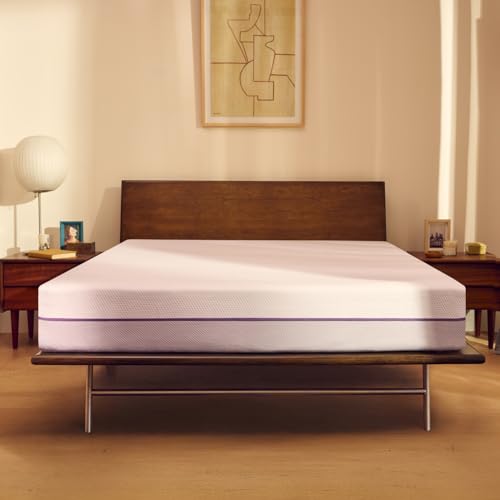
Purple’s 2-inch GelFlex Grid cradles pressure points at the hips and shoulders to keep the spine aligned, a design validated by a 2025 study where 86 percent felt more supported. Its medium-firm construction aims to reduce lower-back strain and is intended for back, stomach, side, and combination sleepers. The mattress feels different because it is different.
That unique grid provides stable support, but it also creates a distinct sensation that may not suit everyone. Compared to a traditional memory foam option like the Tempur-Pedic Adapt 2.0, the Purple offers more airflow and a less conforming hug. The edge support foam and durable base layer are designed to prevent sinking and sagging, making the mattress stable and easy to get in and out of.
Tempur-Pedic Adapt 2.0 Memory Foam Mattress
What We Like
- Body-conforming TEMPUR-Material adapts to weight and temperature
- Exceptional pressure relief for aches and pains
- Cool-to-the-touch cover for temperature regulation
- Excellent motion isolation for undisturbed rest
Trade-offs
- Weighs 70.2 pounds, requiring significant effort to move and set up
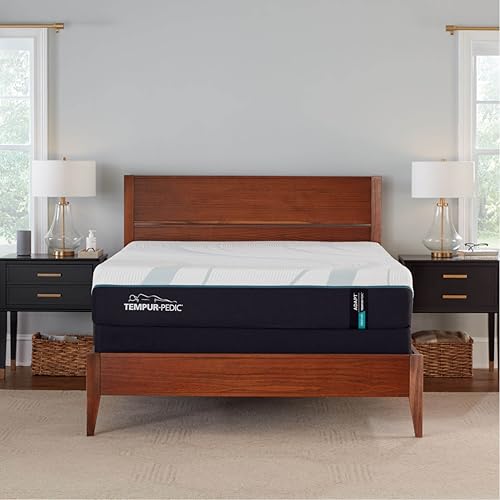
The proprietary TEMPUR-Material is engineered to uniquely adapt to your body’s contours, which means it doesn’t just cradle pressure points, it actively works to reduce the ache points common for arthritis sufferers. This focus on conforming support, paired with a cover designed for a cool feel, creates a stable, pressure-relieving surface that aims for comfort through the night. It suits someone whose primary need is for the mattress to do the work of accommodating their body’s shape and relieving joint stress.
This mattress uses an 11-inch all-foam design, avoiding the zoned support or specialized grids found in some other models. Its construction centers on the brand’s exclusive TEMPUR-Material, which conforms to the body for pressure relief. That differs from the Purple Mattress, which features a distinct 2-inch GelFlex Grid. Reviewers note the Tempur-Pedic’s design isolates movement to minimize partner disturbances, though its 70.2-pound weight is a practical consideration for setup.
Nectar Memory Foam Mattress
What We Like
- 365-night trial offers exceptional risk-free testing
- Firm feel with contouring for back pain relief
- Cooling top layer aids temperature regulation
- Adaptive foam promotes proper spinal alignment
Trade-offs
- At 78.0 pounds, moving it solo is difficult
- Firm feel may be too hard for some side sleepers
- Full expansion requires 24 hours of waiting
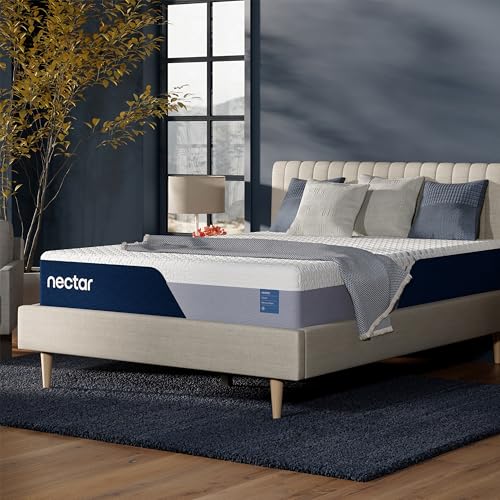
The Nectar Memory Foam Mattress includes a 365-night trial period, allowing a full year to decide if its firm, contouring support works for you. Its memory foam layer is designed to relieve pressure on high-tension areas like the hips and back, and an adaptive support layer aims to promote spinal alignment. The brand considers this model firm, offering solid support with some cradling.
At 78 pounds, the mattress requires effort to move, making repositioning a two-person task. This weight is greater than the 70.2-pound Tempur-Pedic Adapt 2.0. The extended trial period provides a long timeframe to assess the firm feel, which is noted as potentially great for stomach sleepers and those with back pain.
Sweetnight CoolNest Memory Foam Mattress

What We Like
- Multi-layer cooling system for heat dissipation
- ACA-recognized 5-zone design for pressure relief
- Enhanced breathability cover improves airflow by 35%
- Effective motion isolation from multiple foam layers
Trade-offs
- At 86.6 pounds, it is heavier than many all-foam models
- Requires a 72-hour expansion period after unboxing
- Cooling focus may not suit those who sleep cold
The Sweetnight CoolNest system layers PCM foam with gel-infused memory foam to dissipate heat, creating a cooler surface for hot sleepers. Its 5-zone support foam, recognized by the American Chiropractic Association, is designed to redistribute pressure from head to toe. This combination aims to provide balanced support alongside temperature regulation.
A practical consideration is its weight of 86.6 pounds, which makes moving the king mattress a two-person job. The mattress also requires 72 hours to fully expand after unboxing. Compared to the Purple Mattress, which uses a GelFlex Grid structure, the CoolNest relies on a layered foam construction for its cooling and support.
Product photos
DreamCloud Classic Hybrid Mattress
What We Like
- CloudQuilt cover creates a soft, luxurious surface
- Cooling fibers help regulate temperature overnight
- Minimal contouring supports spinal alignment
- Absorbs movement for minimal sleep disruptions
Trade-offs
- Medium firm feel may be too firm for strict side sleepers
- Solid surface offers less contouring than deep memory foam
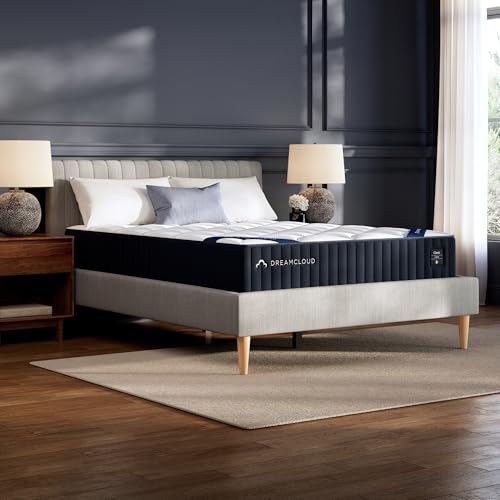
Back and stomach sleepers seeking optimal spinal alignment will find the DreamCloud Classic Hybrid’s medium firm feel and solid surface ideal. Its six-layer design features a CloudQuilt quilted cover woven with cooling fibers for a soft, breathable sleep surface, while the stable foundation minimizes contouring to keep you on top of the bed. Research notes testers did not report pressure buildup in any position, a significant plus for those with sensitive joints like arthritis sufferers.
The trade-off is that its supportive, stable foundation provides less of the deep, conforming hug some side sleepers prefer. If you need a different approach to pressure relief, the Purple Mattress GelFlex Grid uses a distinct grid structure. For an affordable hybrid that balances cushioning with support, the DreamCloud Classic delivers restorative rest without a premium price tag.
Zinus Lumbar+ Memory Foam Mattress

What We Like
- Three distinct firmness zones for targeted lumbar alignment
- Cooling gel memory foam and cool-to-touch cover
- Fiberglass-free construction for peace of mind
- Green tea infusion helps neutralize odors naturally
Trade-offs
- At 14 inches tall, it may require deep-pocket sheets
- The medium feel may be too firm for some side sleepers
- Initial off-gassing can last up to 48 hours
Zinus builds this mattress with three distinct firmness zones specifically for the lower back, offering targeted alignment that can lead to more restorative rest. Its 14-inch height provides deeper cushioning and better pressure distribution, creating a substantial feel prioritized for primary bedrooms. The cool-to-the-touch cover works with gel-infused memory foam to draw heat away from the surface, a design intended for sleepers who run warm.
That substantial height creates a more substantial bed, but it also means you’ll need deeper fitted sheets. Unlike the specialized, zoned design of the Invacare Solace Hospital Bed Mattress, the Zinus offers a more conventional form with targeted support built in, making it suitable for a standard bed frame. It’s a mid-range option that focuses its engineering on a specific pain point rather than an all-over therapeutic feel.
Product photos
MLILY EGOHOME Copper Gel Memory Foam Mattress

What We Like
- Copper gel foam regulates moisture and odor
- Fiberglass-free, CertiPUR-US certified construction
- Graphene cover designed for temperature regulation
- Endorsed by the International Chiropractors Association
Trade-offs
- No trial period, unreturnable once opened
- Requires 12-hour full expansion period before use
The mattress carries an endorsement from the International Chiropractors Association, which signals a design focus on spinal alignment and back support. Its fiberglass-free, CertiPUR-US certified foams directly address common safety and air quality concerns for a healthier sleep environment. This combination suits someone prioritizing a hygienic, supportive foam bed that arrives in a box.
You trade away any chance to test it in your home, as the mattress cannot be returned once unpacked. That’s a stark contrast to options like the Nectar Memory Foam Mattress, which offers a full-year trial. The MLILY includes a copper gel-infused memory foam layer and a graphene-cool-tech cover, making it a committed choice for those convinced by its specific material claims.
Product photos
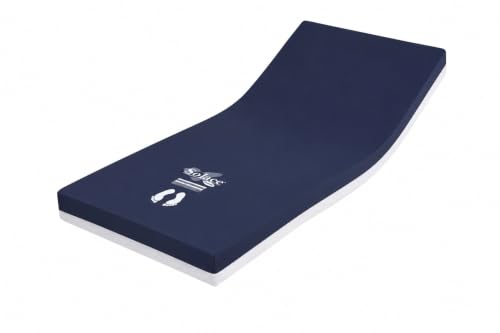
Invacare Solace Hospital Bed Mattress
What We Like
- Deep fortress-cut design for superior pressure relief
- Three-zone IFD support targets key pressure areas
- Welded waterproof cover with fluid-resistant zipper
- Integrated handles and straps for secure bed mounting
Trade-offs
- At 36 inches wide, it fits only hospital bed frames
- A 6-inch height is thinner than most residential mattresses
- The specific firmness zoning may not suit all sleeping positions
Its deep fortress-cut foam cells are engineered for superior pressure redistribution, which helps prevent friction when a patient turns in bed. The mattress also has three zones of targeted firmness, with a firmer section for the lower back and hips, a medium-firm area for the head and neck, and a lighter-firm zone for the heels. This zoned design provides a balance of comfort and medical-grade support for total body alignment.
Its 36-inch width means it is designed solely for a hospital bed frame, not a standard bed. Compared to residential mattresses like the Tempur-Pedic Adapt 2.0, which is 60 inches wide, the Invacare Solace fits a specific 84-inch-long clinical frame.
Product photos
Sleepmax Hybrid Mattress

What We Like
- Hybrid design aligns spine and distributes weight
- Individually wrapped coils isolate motion
- Fiberglass-free and hypoallergenic materials
- Reinforced edges prevent sagging and roll-off
Trade-offs
- At 104 pounds, it's heavy for one-person setup
- The 14-inch height requires deep-pocket fitted sheets
The 14-inch Sleepmax Mist hybrid mattress combines pocket coils with foam layers to create a balance of stability and softness. This design aims to align the spine and distribute body weight evenly, which promotes deep, restorative sleep. It suits back and side sleepers seeking a feel that avoids the extreme sink of all-foam models. The fiber-free, certified materials provide a clean, hypoallergenic sleep surface.
Reinforced edges on the Sleepmax Mist protect internal layers and improve structure to prevent sagging, which contributes to a longer lifespan. At 104 pounds, its substantial weight makes initial setup a two-person task. With over 40 years of brand history, it includes a lifetime service agreement, reflecting a focus on long-term reliability.
RRESTA Hotel Collection Hybrid Mattress

What We Like
- Firm, stable surface for optimal spinal alignment
- Reinforced edge support prevents the 'sinking' feeling
- Fiberglass-free, CertiPUR-US and OEKO-TEX certified foams
Trade-offs
- Firm feel may be too rigid for strict side sleepers
- 14-inch height requires deep-pocket fitted sheets
This firm hybrid mattress uses a zoned support system for targeted contouring in the lumbar area, which helps keep the spine aligned for back and stomach sleepers. Its reinforced coil core provides a stable surface that prevents a ‘bottoming out’ sensation, a feature noted as ideal for average to heavy individuals. The design aims to reduce morning stiffness by offering reinforced support where it’s needed most.
A distinctly firm feel is the trade-off, which can be less forgiving for those who sleep exclusively on their side. Its support comes from a hybrid system of individually wrapped coils and foam layers, unlike some all-foam models. The reinforced edge and high motion isolation also make it a practical pick for couples, where one person’s movement won’t disrupt the other’s pain relief.
Product photos
How We Evaluated Beds For Arthritis Sufferers
This guide is based on a review of product specifications, expert recommendations, and consistent patterns in verified owner experiences. It synthesizes information from trusted review publications and manufacturer documentation to identify which features benefit those with joint pain.
The most important criteria were pressure relief at major joints, spinal alignment support, and ease of movement. We also considered cooling features, as heat can worsen discomfort, and trial periods, which allow for risk-free comfort verification. Edge support was noted for its role in making getting in and out of bed easier.
A limitation of this research-led approach is that we cannot replicate the subjective feel of a mattress or account for every individual’s unique pain profile. Therefore, we strongly emphasize utilizing generous in-home trial periods, like the one offered by the Nectar Memory Foam Mattress, to personally confirm comfort.
What To Look For In Beds For Arthritis Sufferers
The goal is a mattress that reduces pressure on sensitive joints while keeping your spine neutrally aligned. Material choice, firmness level, and additional features all play a role.
Look for a mattress that offers targeted pressure relief at shoulders and hips, supports spinal alignment, and has a responsive or conforming feel to minimize painful repositioning effort.
Pressure Relief & Support
Pressure relief and support are not opposites; a good arthritis mattress provides both. The material should cradle protruding joints like shoulders and hips to distribute weight, while still supporting the lumbar spine to prevent sagging. Memory foam, like that in the Tempur-Pedic Adapt 2.0, excels at deep contouring. Hybrid designs, such as the DreamCloud Classic Hybrid, combine foam comfort with supportive coils for a balanced feel that many find ideal for back and stomach sleeping positions.
Material & Responsiveness
The mattress material dictates how you interact with the bed. Traditional memory foam conforms closely but can feel slow to respond, making movement difficult for stiff joints. Gel-infused foams or hybrid coils add bounce and ease repositioning. The unique GelFlex Grid in the Purple Mattress is designed to adapt instantly, offering a different kind of responsive support. For those who need to adjust their sleep surface, pairing a supportive mattress with an arthritis mattress topper can fine-tune pressure relief.
Firmness & Spinal Alignment
Firmness is subjective, but proper spinal alignment is critical. A mattress that is too soft allows the hips to sink too deeply, straining the lower back. One that is too firm can lift hips and create pressure at the shoulders and knees. Most arthritis sufferers find medium-firm to firm mattresses, like the Zinus Lumbar+ or RRESTA Hotel Collection, provide the best support. Your sleeping position guides this choice: side sleepers often need more contouring for the hips and shoulders, while back and stomach sleepers typically require firmer support.
Cooling & Trial Periods
Temperature regulation and risk-free testing are practical but vital considerations. Many arthritis sufferers report sleeping hotter, making cooling covers, gel infusions, or breathable hybrid designs valuable. Equally important is the ability to test the mattress at home. A long trial period, like the 365-night option with the Nectar, allows you to ensure the bed doesn’t exacerbate pain after several nights of sleep.
- Verify the mattress’s trial period length and return policy details before purchasing.
- Check the bed’s height and weight to ensure you can manage setup, or confirm white-glove delivery is available.
- Look for features like reinforced edges, which aid stability when sitting on the bed’s side.
- Consider compatibility with an adjustable base if you want to raise your head or knees for pain relief. Explore complementary support, like using a pillow between your knees for hip alignment.
The right feel is personal; prioritize beds with a substantial home trial to confirm comfort over multiple nights.
Beds For Arthritis Sufferers Compared
Use the comparison table below to quickly see how the key features of our top picks stack up against each other.
| Product | Height | Weight | Feel/Firmness | Key Support Feature | Cooling Feature |
|---|---|---|---|---|---|
| Purple Mattress GelFlex Grid | 11.0 inches | 100.0 pounds | Medium-firm | GelFlex Grid | Air channels |
| Tempur-Pedic Adapt 2.0 Memory Foam Mattress | 11.0 inches | 70.2 pounds | Medium | TEMPUR-Material | Cool-to-the-touch cover |
| Nectar Memory Foam Mattress | 12.0 inches | 78.0 pounds | Firm feel | Contouring memory foam | Cooling top layer |
| Sweetnight CoolNest Memory Foam Mattress | 14.0 inches | 86.6 pounds | Medium | 5-zone ergo support | CoolNest PCM & gel foam |
| DreamCloud Classic Hybrid Mattress | 12 inches | 79.0 pounds | Medium Firm | Premium Pressure-Relieving Gel Memory Foam | Cooling fibers |
| Zinus Lumbar+ Memory Foam Mattress | 14 inches | N/A | Medium | 3-zone foam technology | Gel foam & cool-touch cover |
| MLILY EGOHOME Copper Gel Memory Foam Mattress | 12 inches | 67.0 Pounds | Medium Firm | Copper gel aerofuion memory foam | Graphene-Cool-Tech Cover |
| Invacare Solace Hospital Bed Mattress | 6.0 Inches | 25.0 pounds | 3-Zone Targeted Firmness | Deep Fortress-Cut Zoned Pressure Relief | N/A |
| Sleepmax Hybrid Mattress | 14 inches | 104.0 Pounds | N/A | Hybrid (foam & pocket coils) | N/A |
| RRESTA Hotel Collection Hybrid Mattress | 14 inches | 81.2 pounds | Firm | 7-Zone Spinal Support Pocket Springs | Gel-infused memory foam |
Frequently Asked Questions
What is the best sleeping position for people with arthritis?
The best sleeping position is one that maintains spinal alignment and minimizes pressure on painful joints. For many, sleeping on the back with a supportive neck arthritis pillow is ideal, as it evenly distributes weight. Side sleepers should use a pillow between their knees to keep hips aligned, while stomach sleeping is generally discouraged as it can strain the neck and lower back.
What mattress to stay away from?
Avoid very soft, sagging mattresses that lack support, as they can cause the spine to curve unnaturally and increase joint strain. Also, be cautious with extremely firm, non-contouring surfaces that create concentrated pressure points on shoulders and hips. Traditional, interconnected innerspring mattresses often provide inadequate pressure relief and can transfer disruptive motion.
Is a hard mattress good for arthritis?
A firm mattress can be good for some arthritis sufferers, particularly back and stomach sleepers who need to prevent their hips from sinking. However, a uniformly “hard” surface without any contouring can create painful pressure on joints. Many find a medium-firm mattress with a comfort layer for pressure relief, or a supportive topper for joint pain, offers the best balance.
What type of mattress is best for people with aches and pains?
Memory foam and hybrid mattresses are often recommended for aches and pains. Memory foam, like that in the Tempur-Pedic Adapt 2.0, excels at contouring to relieve pressure. Hybrids, such as the Sleepmax Hybrid Mattress, combine this pressure relief with the supportive bounce of coils. The best type also depends on sleeping position and whether you sleep hot, making cooling features important.
Can a mattress topper help with arthritis pain?
Yes, a quality mattress topper can significantly help with arthritis pain by adding a layer of pressure relief and support to an existing mattress. Materials like memory foam or latex can cushion joints and improve spinal alignment. For targeted relief, consider a specialized topper for arthritis and fibromyalgia or a topper for seniors designed for ease of use.
The Bottom Line
The Purple Mattress GelFlex Grid is our best overall pick for arthritis sufferers seeking a balanced, cooling sleep surface that provides noticeable pressure relief without a deep sink, making it easier to change positions.
If you are on a budget, consider the value-packed DreamCloud Classic Hybrid. For those who want the deepest body-conforming hug, the Tempur-Pedic Adapt 2.0 Memory Foam Mattress is the clear choice, while the Nectar Memory Foam Mattress offers unparalleled peace of mind with its year-long trial.
Ultimately, the most important factor is pressure relief at your individual pain points. Prioritize a mattress with a generous in-home trial period to ensure it brings you restful, supportive sleep night after night.
