
What Is a Mattress Pad Used for? Key Uses Explained
This post contains affiliate links. As an Amazon Associate, we earn from qualifying purchases.
A mattress pad is a thin, quilted layer that sits atop your mattress to enhance comfort, absorb moisture, and protect against wear while remaining machine-washable for hygiene. Unlike thicker toppers, pads don’t significantly alter mattress firmness, and unlike protectors, most aren’t fully waterproof. The CPSC requires pads to limit charring to ≤2 inches in flammability tests and mandates “T” labels for chemical-treated models.
Key Takeaways
- Mattress pads add 1-2.75 inches of cushioning, thinner than toppers but thicker than protectors.
- Choose a CPSC-compliant pad with ≤2″ char length if flame resistance matters in your bedroom.
- Skip pads on TEMPUR-Pedic® mattresses, manufacturers warn they reduce material responsiveness.
- Wash pads regularly to maintain hygiene. Naplab recommends washing every few months, and IKEA notes that washing its LUDDROS mattress protector at 60°C kills dust mites.
- For deep-pocket mattresses (15-20″ tall), verify pad dimensions like the Saatva Organic (16″ max) or Cozy Earth Bamboo (20″ max).
What Exactly Is a Mattress Pad?
The CPSC defines a mattress pad as “a thin, flat mat or cushion, and/or ticking filled with resilient material for use on top of a mattress.” This includes quilted cotton pads, convoluted foam layers, and wool-filled options, but excludes standalone foam toppers or fully enclosed protectors.
Technical snippet: Under 16 C.F.R. § 1632.5, pads treated with flame retardants must display a “T” label and care instructions to maintain flame resistance. All pads must show manufacturing month/year and location on a permanent tag.
Pads serve several practical roles. IKEA recommends them primarily for hygiene, as they are easy to remove and clean. Naplab states they are used to make your mattress more comfortable, which answers the common question of what is a mattress pad used for. They can also help preserve the mattress by absorbing friction.
Mattress Pad vs. Topper vs. Protector
| Feature | Mattress Pad | Mattress Topper | Mattress Protector |
|---|---|---|---|
| Thickness | Varies by model (e.g., IKEA offers 3.5 cm and 7 cm; Sleep Advisor states ≤1.5″) | 2″-4″ (Parachute 3″) | <1″ |
| Primary Purpose | Comfort + light protection | Firmness adjustment | Stain/moisture barrier |
| Waterproof? | Rarely (per Naplab) | No | Usually |
| Machine Washable? | Yes | Sometimes (varies by fill) | Yes |
| Price Range | Varies | Varies (Naplab states toppers are typically more expensive than pads) | Varies |
Where this goes sideways: Assuming a pad waterproofs your bed. Most absorb spills but don’t block liquid from seeping through, a job for true protectors like the mattress pad vs protector comparison shows.
Thickness splits the difference between pads and toppers. Sleep Advisor calls ≤1.5″ standard for pads, but IKEA’s latex/wool pad hits 7 cm (~2.75″), blurring the line. The mattress topper vs pad breakdown confirms toppers cost more but offer deeper contouring, which clarifies the what is a mattress pad used for distinction.
Who Benefits Most From a Mattress Pad?
Hot Sleepers
Bamboo or Tencel pads like the Cozy Earth Bamboo wick moisture better than traditional quilted cotton. Their 360° elastic hem fits mattresses up to 20″ tall, key for airflow under sheets.
Allergy Sufferers
Washable pads trap dust and mites. IKEA’s LUDDROS protector kills allergens at 60°C washes, though untreated pads need cleaning every few months (how to wash a mattress pad).
Mattress Extenders
Adding a pad can refresh sagging spots temporarily, which is part of what is a mattress pad used for. Just know that, per Naplab, pads can’t fix broken springs or deep body impressions, a mattress topper works better for that.
Common mistake: Using a pad that’s too thin for your needs. A 1″ cotton pad feels negligible atop a firm mattress; the 7 cm IKEA latex/wool variant adds noticeable pressure relief.
When to Skip a Mattress Pad
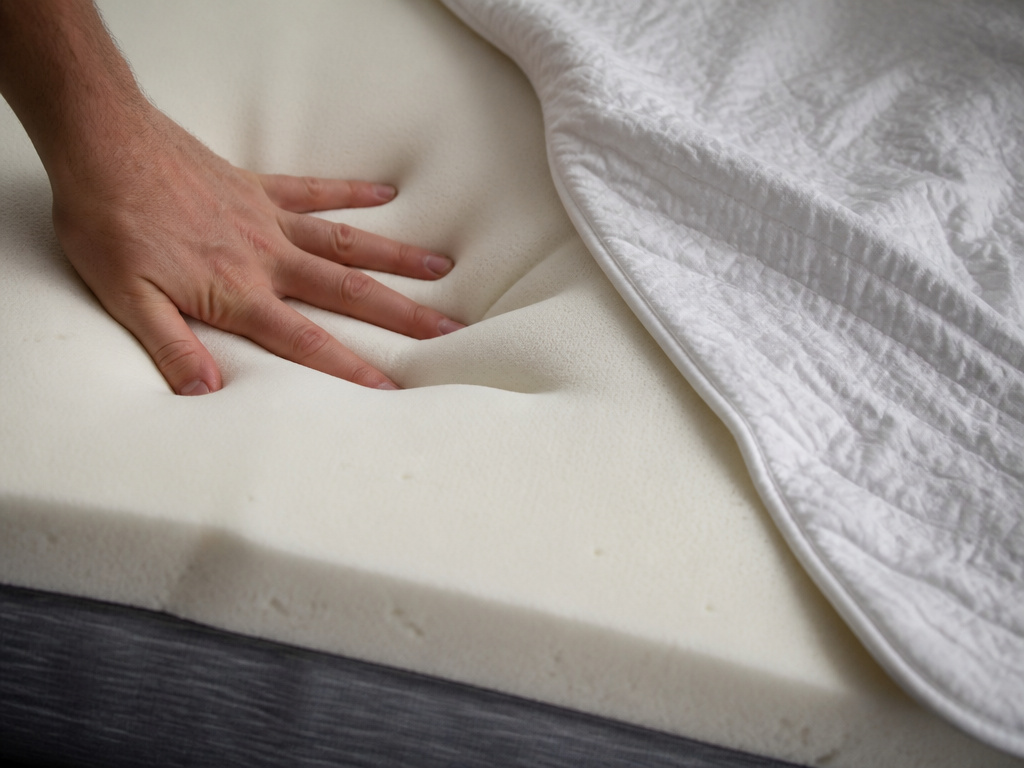
- On specialty mattresses: Tempur-Pedic advises against pads, claiming they interfere with TEMPUR-Material™ contouring. Some users report no issues with thin pads, but warranty terms may void coverage.
- For waterproofing: As Naplab notes, most pads absorb liquids rather than blocking them. Opt for a protector like the best waterproof mattress pads if spills or bedwetting are concerns.
- With deep body impressions: A 1.5″ pad can’t compensate for a sagging mattress. Replace it instead. IKEA recommends new mattresses every 8-10 years.
How to Choose the Right Mattress Pad
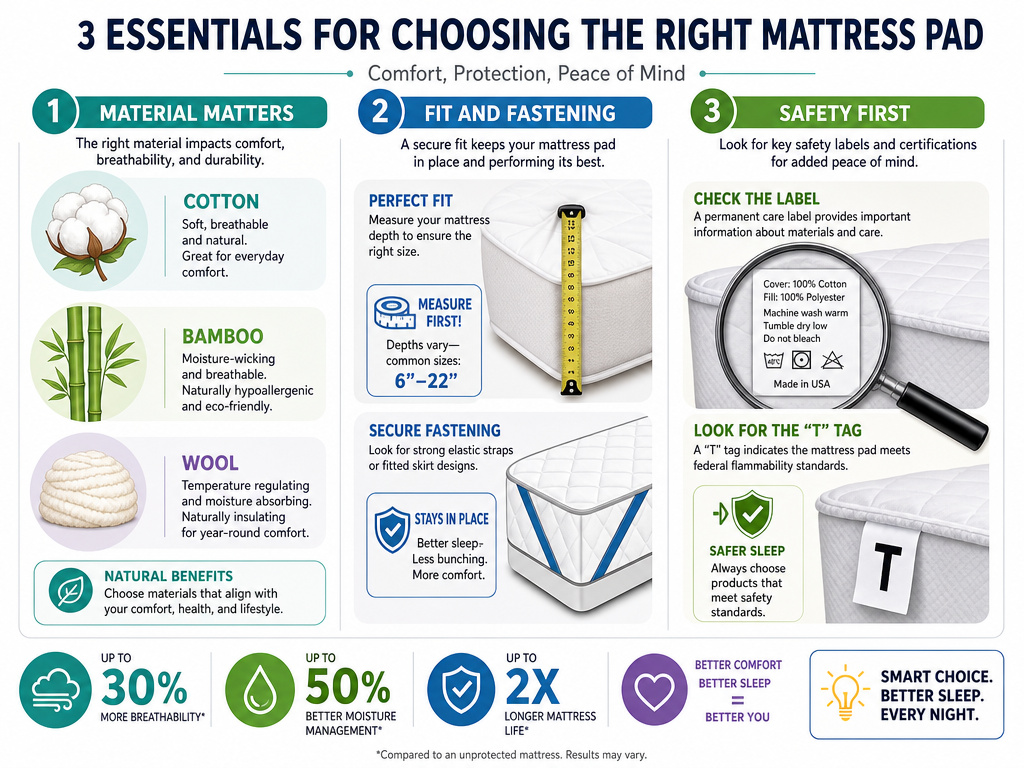
Material Matters
- Cotton: Breathable but less insulating (best cotton mattress pads). Percale weave stays cooler than sateen.
- Bamboo: Naturally temperature-regulating, like the Cozy Earth Bamboo.
- Wool: Best for temperature swings but requires delicate washing.
Fit and Fastening
- Fitted skirts suit uniform mattress depths. Measure your mattress + topper first, a pad that’s too shallow pops off corners.
- Elastic straps work for adjustable bases but may shift. See fitted vs strap pads.
Safety First
Check for the CPSC-required permanent label showing manufacture date/location. Flame-retardant pads have a “T” tag and specific care rules, dry cleaning may degrade their fire resistance.
Cleaning and Maintenance
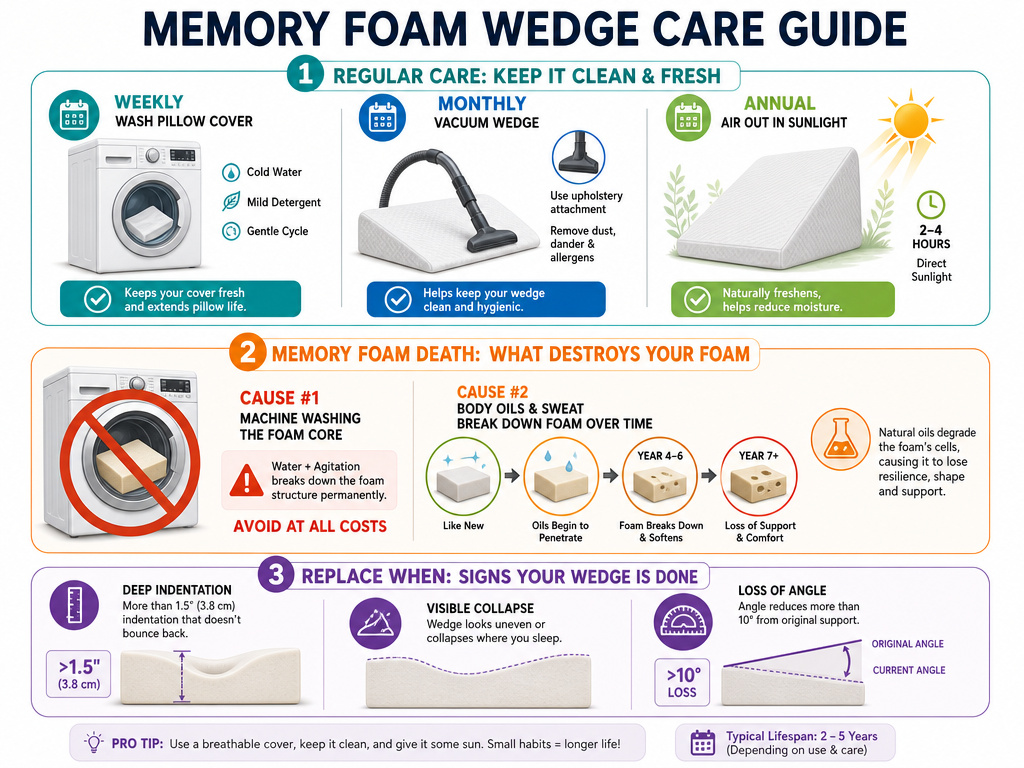
Naplab recommends washing pads every few months. Key steps:
- Use warm water to avoid shrinking.
- Skip fabric softener, it reduces absorbency.
- Tumble dry low to prevent clumping.
IKEA’s 60°C wash standard kills dust mites, but check your pad’s tag, some materials like latex demand gentler cycles.
Types of Mattress Pads
Mattress pads come in various materials and thicknesses. Common fillings include high-resilience foam, latex, and wool, which can offer different levels of pressure relief. Some pads are designed with stretch fabrics for a better fit. While most mattress pad models are not waterproof, they serve as a hygienic, washable layer. Features like heated or warming layers exist, with some models including automatic shut-off functions for safety. Always check the care instructions, especially if the pad has been treated for flame resistance, as this treatment can require specific washing methods to remain effective.
Frequently Asked Questions
Can you use a mattress pad with a Tempur-Pedic mattress?
Tempur-Pedic discourages it, stating pads reduce TEMPUR-Material™ responsiveness. If you try one, choose ≤1″ and monitor for reduced contouring.
Do mattress pads make beds hotter?
Some do. Quilted polyester pads trap heat, while breathable options like the Puffy Mattress Pad (bamboo fabric) or wool pads regulate temperature.
How thick should a mattress pad be?
Thickness varies. Sleep Advisor states mattress pads are typically ≤1.5 inches thick, while IKEA offers a 7 cm (~2.75 inch) variant for higher pressure relief. See ideal pad thickness.
Are mattress pads worth it?
Yes, if you want washable comfort without a topper’s cost or bulk. They’re not must-haves, but Naplab notes they’re cheaper than replacing a worn-out mattress.
Before You Go
Match the pad to your priority:
- Comfort? Opt for thicker fills like IKEA’s 7 cm latex/wool pad or the quilted mattress pad styles.
- Cooling? Bamboo (Cozy Earth) or moisture-wicking Tencel beats traditional quilted cotton.
- Easy care? Machine-washable pads under 2″ dry fastest.
And always verify depth, a pad that fights your fitted sheets defeats its purpose. Measure twice, buy once.
