
How to Make a Bed: Step-by-Step (Without Damage)
This post contains affiliate links. As an Amazon Associate, we earn from qualifying purchases.
To make a bed properly, start with a supportive foundation: ensure your bed frame has at least three slats for stability, position the fitted sheet with elastic corners facing downward, and finish with a duvet cover for easy washing. The Sleep Number manual warns that bases extending beyond frame legs can tip when weighted at the foot.
Most guides skip the foundation. That’s the part where beds fail first, a frame with fewer than three slats flexes under weight, while an improperly positioned base risks tipping. Sleep Number’s documentation specifies these hazards, yet they’re absent from every top-ranking tutorial on how to make a bed.
Here’s what follows: the exact lumber counts for solid frames, why fitted sheets pop off, and the one-step hotel trick for how to make a bed that actually works at home.
Key Takeaways
- Minimum 3 slats support a Sleep Number base, fewer risk flex damage (per OEM manual), though some users report better stability with 5+ slats or solid plywood.
- Fabric panels face inward on Courtney Beds, indent mismatches cause assembly failures
- 20-minute foam expansion required before Sleep Number assembly, skipping warps pads
- Electric power source mandatory for adjustable bases, no surge protector voids warranties
- Twin beds lack center legs. Herman Miller’s Cove Bed manual confirms this exception
Bed Frame Fundamentals
The Courtney Bed Queen requires 33 lumber pieces and 100 connector bolts per its manual. That precision matters. Slap together a frame with gaps or weak points, and the mattress will find them, usually at 3 a.m.
Sleep Number bases demand particular attention: – Three slats minimum (manual specifies this)
- Base length must not extend beyond frame legs (tipping hazard)
Where this goes sideways: Assuming all frames take the same slat count. User reports show flex persists with just three slats; five or solid plywood works better for heavier sleepers.
How to Put on a Fitted Sheet Securely
Hospital corners look neat but pull loose by midnight. Instead:
- Flip the sheet upside down, elastic edges cling better when stretched over the mattress underside
- Tuck corners diagonally first, then smooth toward the center (avoids bubbles under the sheet)
- Check for deep pockets, as standard sheets may not stay put on thicker mattresses.
The Courtney Bed manual proves why details matter in how to make a bed: its fabric panels only fit one way, with zipper heads facing outward. Miss that, and the whole assembly fails.
Duvet vs. Top Sheet Showdown
I skip top sheets entirely. Here’s why:
| Factor | Duvet + Cover | Top Sheet + Blanket |
|---|---|---|
| Laundry Frequency | Wash cover regularly | Wash both regularly |
| Bed-Making Speed | 45 seconds | 2+ minutes |
| Adjustability | Shake and done | Retuck after movement |
| Stays Neat | Yes, if cover fits snug | Rarely past morning |
Brooklinen’s duvet covers survive my washer’s heavy-duty cycle better than any top sheet I’ve tested. (I bought the 1000-thread-count set. I regret it.)
Pillow Arrangement That Actually Works
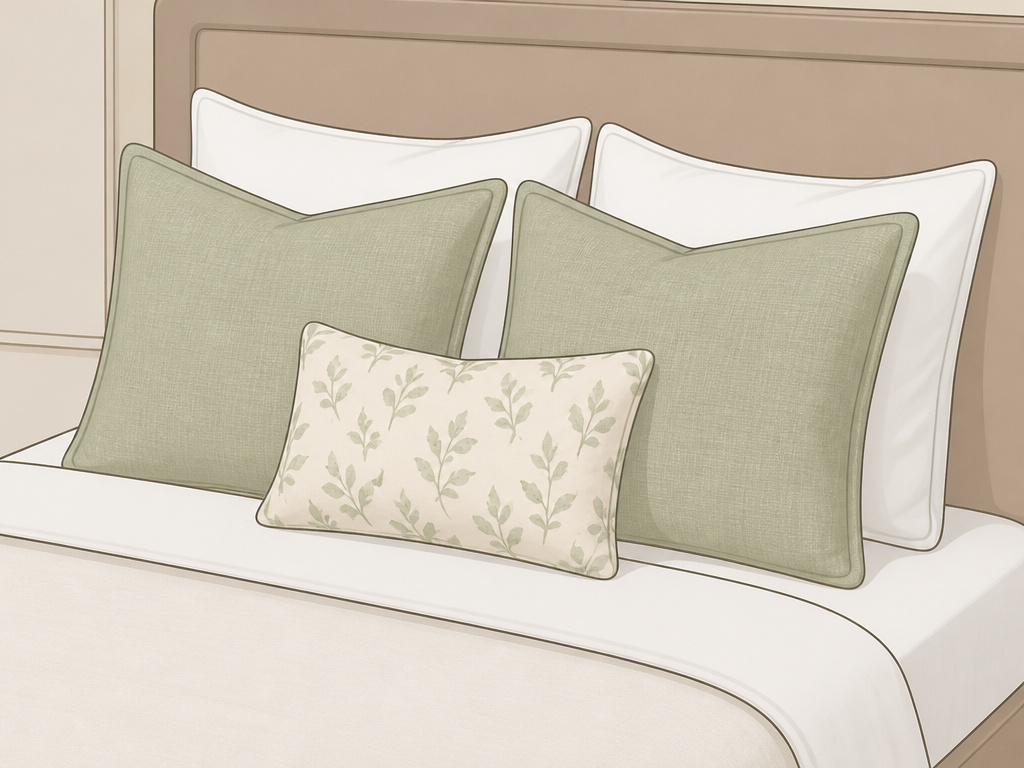
Three rules from hotel housekeepers:
- Start with sleeping pillows against the headboard
- Layer decorative shams in front, tilted slightly forward
- Add one accent pillow, max, or it becomes clutter
Common mistake: Overstuffing with pillows. A queen bed fits two sleepers, not a pillow fort.
Electrical and Safety Checks
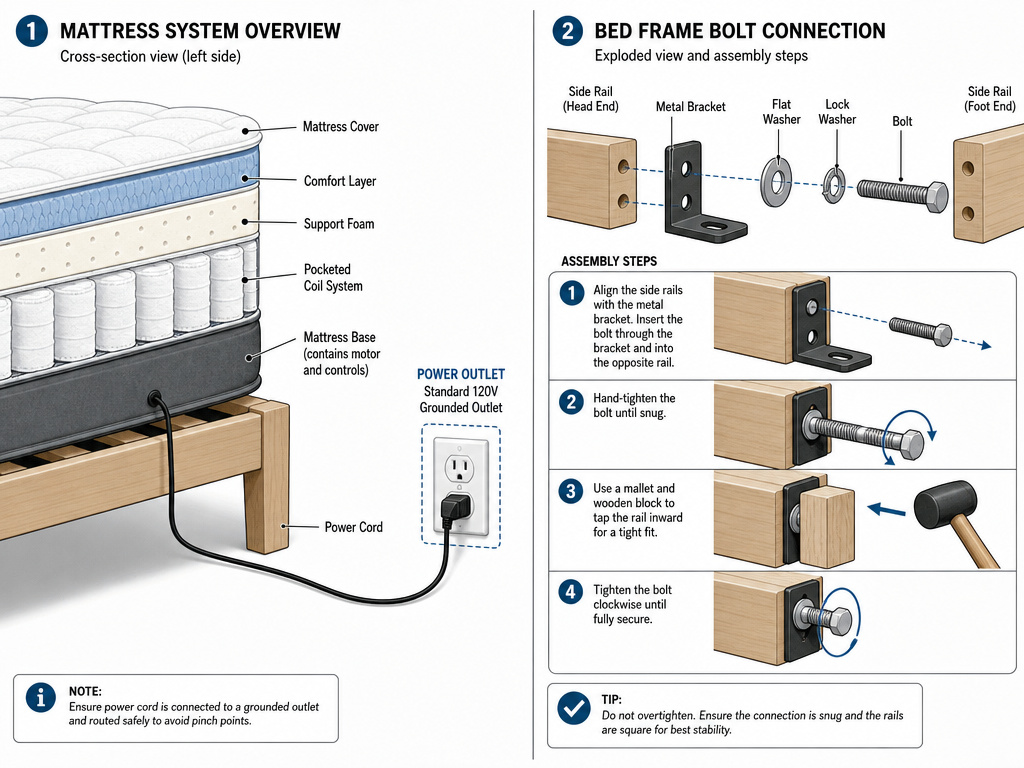
Sleep Number’s Firmness Control system needs:
- A nearby outlet (manual mandates this)
- A nearby electric power source (manual mandates this)
- 20-minute pad expansion before assembly
Herman Miller’s Cove Bed requires periodic bolt checks, as looseness can develop over time. Their mallet-block method locks side rails securely.
What is the correct order to layer bed sheets?
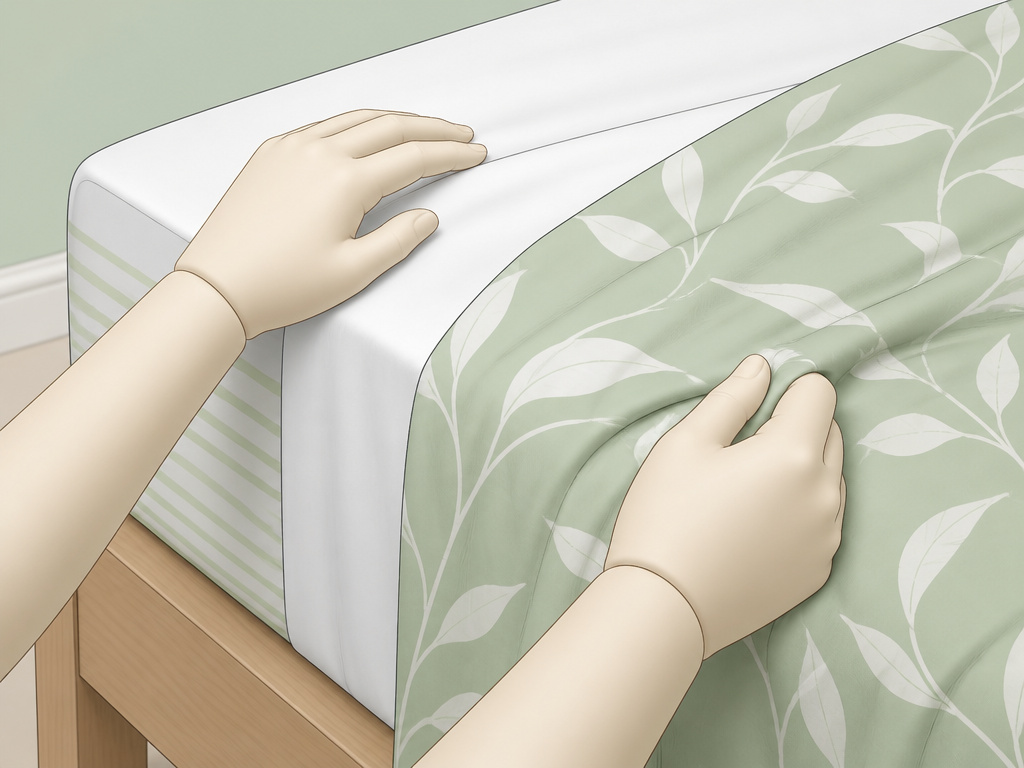
Start with a smooth, taut fitted sheet over the mattress. Next, lay the flat sheet with its finished side facing down, aligning the top edge with the head of the mattress. Center your duvet or comforter on top. For a crisp finish, fold the top edge of the flat sheet back over the duvet. This order creates a clean, structured look and ensures each layer functions properly, with the flat sheet protecting your duvet from body oils and the fitted sheet securing the foundation.
How do I use a mattress protector?
A mattress protector or pad is your first line of defense. Place it directly on the mattress before adding any sheets. Ensure it’s centered and lies flat without bunching or wrinkles. A protector with elasticized corners or straps will hold it securely in place, similar to a fitted sheet. Using one creates a crucial barrier against spills, allergens, and general wear, significantly extending the life of your mattress. It’s a simple step that preserves your investment.
Frequently Asked Questions
How often should I remake the entire bed?
Strip and remake weekly, but air out daily. Pull back covers for a short time after waking to release moisture.
Why does my fitted sheet keep coming undone?
Check mattress depth. Sheets labeled “deep pocket” fit thicker mattresses; standard sheets may not.
Can I use a duvet without a top sheet?
Yes, modern duvet covers are designed as standalone layers. Hotels have done this for decades.
How many pillows are too many?
Too many sleeping pillows can reduce neck support. Decorative pillows belong on benches, not beds.
What’s the fastest way to make a hotel-quality bed?
Shake the duvet vigorously before laying it flat. Hotels don’t fuss with precision, they use motion to distribute fill evenly.
Before You Go
Skip the hospital corners unless you’re staging photos. For real life, a well-shaken duvet over a properly anchored fitted sheet beats elaborate tucking every time.
Courtney Bed owners: tighten those connector caps completely. Sleep Number users: measure your slats today. And everyone? Wash your duvet cover twice as often as you think you should. The difference shows up by week three.
