
10 Best Mattresses For Back And Joint Pain in 2026
This post contains affiliate links. As an Amazon Associate, we earn from qualifying purchases.
Our best overall mattress for back and joint pain is the Purple Mattress GelFlex Grid for its unique, cradling support that maintains spinal alignment without a deep sink. We also highlight the premium Tempur-Pedic Adapt 2.0 for adaptive memory foam and the budget-friendly WEUP Extra Firm Foam Mattress for unambiguous firmness.
Waking up in pain often stems from a mattress that fails to support your spine’s natural curves or relieve pressure on key joints like hips and shoulders. This guide, based on research into specifications, expert round-ups, and patterns in owner feedback, helps you identify the right support system for your sleep position and pain points.
Top 10 Mattresses For Back And Joint Pain in the Market
Certain content that appears on this site comes from Amazon. This content is provided "as is" and is subject to change or removal at any time.
The Best Mattresses For Back And Joint Pain, Reviewed
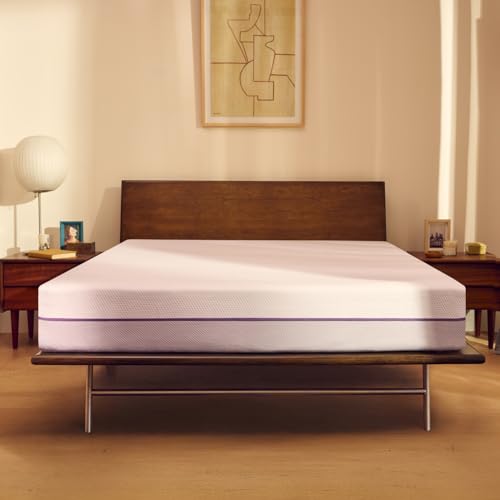
Purple Mattress GelFlex Grid
What We Like
- GelFlex Grid cradles hips and shoulders for spine alignment
- Temperature-neutral, breathable design sleeps cool
- Edge support foam prevents sinking and sagging
- Responsive support adapts to all sleep positions
Trade-offs
- At 100 pounds, it is heavier than many queen mattresses
- Its unique responsive feel differs from traditional memory foam
The 2-inch GelFlex Grid is the decisive feature, providing targeted pressure relief at key joints while maintaining overall spinal alignment. This makes the Purple Mattress a strong candidate for anyone with back or joint pain, as it supports the body without the deep sink of traditional memory foam. Its medium-firm feel and adaptive grid work for back, stomach, and side sleepers alike, and the airflow channels help manage temperature throughout the night.
The mattress’s 100-pound weight means it requires more effort to move and set up than lighter options like the Tempur-Pedic Adapt 2.0. While the GelFlex Grid offers a distinct, buoyant support, sleepers who prefer the classic, slow-moving contour of memory foam might find its responsive feel unusual. For those who prioritize a deeply cushioned hug, a model like the Nectar Memory Foam Mattress could be a more familiar alternative.
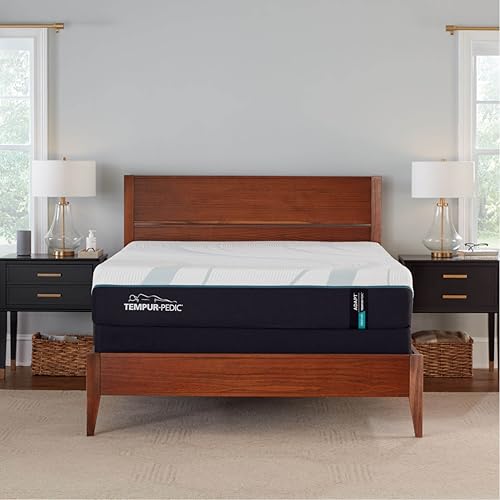
Tempur-Pedic Adapt 2.0 Memory Foam Mattress
What We Like
- Exclusive TEMPUR-Material for body-conforming support
- Pressure relief designed to reduce aches and pains
- Cool-to-the-touch knit cover technology
- Excellent motion isolation for undisturbed rest
Trade-offs
- Queen size weighs 70.2 pounds
- 11-inch profile is thinner than many hybrids
The proprietary TEMPUR-Material is engineered to adapt to your body’s weight and temperature, which is the core of its claim to provide exceptional pressure relief for aches and pains. This makes it a strong candidate for someone whose primary concern is sinking into a surface that conforms precisely to alleviate joint and back pressure. The 10-year warranty and domestic assembly speak to a long-term investment in comfort, and the knit cover adds a practical cooling layer to the memory foam experience.
The Tempur-Pedic Adapt 2.0 uses an 11-inch all-foam design with proprietary TEMPUR-Material, which is engineered to conform to the body for pressure relief. This construction also isolates movement, a feature that minimizes disruptions from a partner. At 70.2 pounds, the queen size requires careful handling during setup.
Novilla Hybrid King Mattress

What We Like
- Hypoallergenic, fiberglass-free construction
- Reinforced edges prevent roll-off
- AirBreeze fabric promotes cooler sleep
- Combines coil support with contouring foam
Trade-offs
- At 12 inches tall, it may require deep-pocket sheets
- Weighs 66 pounds, making solo setup difficult
A fiberglass-free, hypoallergenic build with an OEKO-TEX cover makes this a clear choice for anyone with sensitivities or allergies. The combination of SmartS coils and contouring foam is designed to cradle pressure points and promote spinal alignment, which addresses the core need for back and joint pain relief across all sleeping positions. Its reinforced edges provide a stable perimeter, maximizing the usable sleep surface.
The mattress relies on a general hybrid design rather than a detailed zoned system, so it may not offer the targeted lumbar support of a model like the Avenco SyncDeep, which specifies seven zones. For sleepers who prioritize a consistently cool surface and a hygienic sleep environment over highly segmented support, the Novilla’s breathable AirBreeze fabric and certified materials present a sensible, mid-range option.
Product photos
Sweetnight CoolNest Memory Foam Mattress

What We Like
- ACA-recognized 5-zone design for pressure relief
- Layered cooling system with PCM and gel foam
- 3D-woven cover improves breathability by 35%
- Effective motion isolation from memory foam layers
Trade-offs
- At 86.6 pounds, it's heavier than most all-foam models
- Requires 72 hours to fully expand after unboxing
The Sweetnight CoolNest’s 5-zone support system is engineered to redistribute pressure from head to toe, a design recognized by the American Chiropractic Association. This makes it a considered choice for sleepers whose discomfort is concentrated in specific areas like shoulders or hips. Its medium feel and memory foam construction aim to cushion those zones without a plush sink, while the layered cooling system works to mitigate the heat retention common in traditional memory foam.
Its 5-zone design, recognized by the American Chiropractic Association, redistributes pressure from head to toe for a more restful sleep. This zoned support system is engineered to cushion pressure areas while maintaining stability. For sleepers who prioritize targeted pressure relief, the CoolNest presents a mid-range option. If a different configuration of zoned support is a higher priority, a design like the Avenco SyncDeep with its 7-zone lumbar support might warrant a look.
Product photos
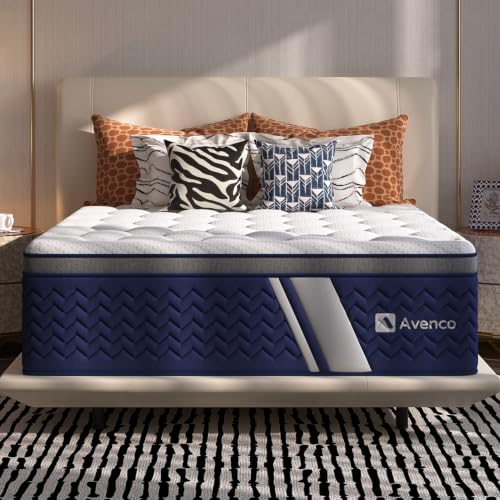
Avenco SyncDeep Hybrid Mattress
What We Like
- Firm, zoned lumbar support for spinal alignment
- Cooling gel foam and breathable pocket springs
- Strong edge support prevents roll-off sagging
- Fiberglass-free and certified safe materials
Trade-offs
- At 72 pounds, it is heavier than some 12-inch hybrids
- The firm feel may be too hard for strict side sleepers
A 7-zone lumbar support system targets the spine’s natural curve, making this mattress a clear choice for back and stomach sleepers who need a firm, pressure-relieving surface. The hybrid design combines responsive coils with gel-infused foam, which aims to keep sleepers cool while the reinforced edges give couples the full usable area of the queen size. This is built for those who prioritize alignment and stability over plush cushioning.
The trade-off is in the feel. This is a genuinely firm mattress, so it won’t suit everyone. Compared to the medium-firm contour of something like the DreamCloud Classic Hybrid, the Avenco provides a more uniform, supportive pushback.
Product photos
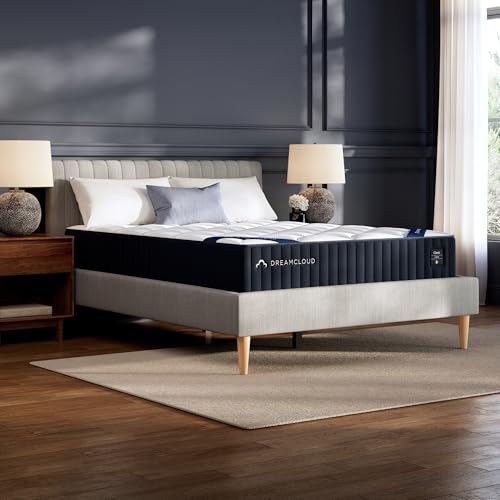
DreamCloud Classic Hybrid Mattress
What We Like
- CloudQuilt cover for a soft, cool surface
- Medium firm feel for spinal alignment
- Ultra-stable foundation for motion isolation
- Made without harmful substances like fiberglass
Trade-offs
- Minimal contouring may not suit side sleepers needing deep pressure relief
- At 79 pounds, it is heavier than the 70.2-pound Tempur-Pedic Adapt
The DreamCloud Classic Hybrid is a medium-firm mattress with a solid surface, making it a concrete choice for anyone who sleeps on their back or stomach. Its six-layer design, including the signature CloudQuilt top, provides enough support to keep the spine aligned without the deep sink of plush memory foam. The pressure-relieving gel foam works with the stable base to minimize motion transfer, so a restless partner is less disruptive, and research mentions it as the Best Affordable Mattress for Arthritis.
The DreamCloud Classic Hybrid provides a balanced feel without a premium price tag, offering minimal contouring. Its CloudQuilt cover uses cooling fibers to help keep you comfortable all night, and the mattress is fiberglass-free, made without ozone depletors or other concerning chemicals. The product comes with a 365-night trial and a forever warranty, delivering reliable support and cooling for people who sleep on their back or stomach.
Nectar Memory Foam Mattress

What We Like
- Firm feel provides solid support for back pain
- Contouring memory foam layer relieves pressure
- Cooling top layer for temperature regulation
- Ships compressed for easy setup
Trade-offs
- Its 12-inch height is a standard profile, not as low as an 8-inch model.
- A firm feel may be too rigid for sleepers who prefer deep cushioning.
A 12-inch profile with a firm feel and a contouring memory foam layer is engineered to promote spinal alignment, which is a central concern for those managing back pain. This mattress suits stomach sleepers and anyone who finds softer beds lack adequate support, as its construction offers a solid foundation with a moderate amount of cushioning. The inclusion of a cooling top layer addresses a common complaint about memory foam retaining heat.
The Nectar Classic mattress is described as firm, offering solid support with a bit more cradling than an extra-firm option, which can be suitable for stomach sleepers and those with back pain. Its contouring memory foam layer is noted to relieve pressure on areas like hips and the back, while an adaptive support layer promotes spinal alignment. The product includes a 365-night trial period, allowing for extended evaluation at home.
PurpleFlex Mattress

What We Like
- Firm feel designed for spine alignment
- Cooling air channels in GelFlex Grid
- Edge support foam prevents sinking
- Bounce-back, responsive support
Trade-offs
- The firm feel may be too rigid for dedicated side sleepers.
- Its 84-pound weight makes solo setup a challenge.
A distinctly firm, non-sinking support comes from the two inches of Purple’s proprietary GelFlex Grid in this mattress. This design is built to keep the spine aligned, which directly targets lower-back strain. People who sleep on their back or stomach will find it a clear match, as it provides a stable surface that won’t let their hips sink out of line. The open grid structure also pulls heat away, so that firm support doesn’t come with a memory-foam-style heat trap.
At 8 inches tall, this mattress is thinner than many hybrids, focusing its construction on a firm, responsive feel rather than deep cushioning. This design prioritizes stable support for spinal alignment, making it a distinct choice from thicker models that incorporate more layers. The firm feel is specifically described as ideal for sleepers who prefer their back or stomach and want stable support.
WEUP Extra Firm Foam Mattress

What We Like
- Extra firm level for direct spinal support
- Certified fiberglass-free and safe materials
- High-density foam resists deformation
- Removable, machine-washable cover
Trade-offs
- The extra firm feel may be too hard for side sleepers
An extra firm, 8-inch profile of high-density foam provides a direct, unyielding support surface. This makes it a clear choice for strict back sleepers or anyone whose back pain stems from a mattress that’s too soft, as the design prioritizes spinal alignment over plush cushioning. It’s a straightforward, budget-friendly solution built around a single, supportive material.
Designed specifically for an extra firm feel, this mattress prioritizes strong spinal support over plush contouring. While hybrids like the Avenco SyncDeep list zoned coils for targeted lumbar relief, the WEUP’s construction uses high-density foam for full-body support. This approach provides consistent pressure relief by preventing sag, making it a focused solution for back and waist pain from insufficient support.
Product photos
RRESTA Hotel Collection Hybrid Mattress

What We Like
- High motion isolation for couples
- Stable edge support for sitting
- Long 365-night trial and lifetime care
Trade-offs
- Firmness is specifically for back and stomach sleepers
- At 81.2 pounds, it is heavier than the 70.2-pound Tempur-Pedic
- 14-inch height requires deep-pocket sheets
This firm hybrid mattress is designed for people who sleep on their back or stomach, using a 7-zone spinal support system to maintain proper alignment, which can help reduce morning aches. Its construction prevents bottoming out for average to heavy individuals, and the reinforced perimeter provides a stable edge for sitting while getting dressed. The independent pocketed coils absorb 90% of motion transfer, a feature highly recommended for couples who want to minimize sleep disturbance from a partner’s movements.
The trade-off is that this specific, firm support won’t suit everyone. Side sleepers or those who prefer a plush, cradling feel might find it too unyielding. Compared to the all-foam construction of something like the Tempur-Pedic Adapt, the RRESTA’s hybrid design provides more bounce and airflow, but it also adds considerable weight. This isn’t a mattress you’ll flip or move easily on your own.
Product photos
How We Evaluated Mattresses For Back And Joint Pain
Our evaluation relied on manufacturer specifications, analysis of expert round-ups, and patterns in verified owner feedback. We prioritized criteria proven to affect pain relief: spinal alignment support, pressure relief at key joints like shoulders and hips, and temperature regulation for comfortable sleep. We also considered material safety and motion isolation for couples.
This research-based approach provides a detailed overview, but it cannot replicate the personal experience of a long-term trial. For chronic conditions, consulting a healthcare provider is essential, as the best mattresses for overall pain complement but do not replace medical advice.
What To Look For In Mattresses For Back And Joint Pain
Selecting the right mattress involves balancing support for your spine with cushioning for your pressure points. Your sleep position largely dictates whether you need more contouring or firmer support.
Key factors are spinal alignment support, pressure relief for hips and shoulders, and cooling technology. Medium-firm surfaces are often ideal, but side sleepers need more cushioning, while back and stomach sleepers benefit from firmer support.
Support & Firmness Level
The right firmness keeps your spine neutrally aligned. A medium-firm mattress is widely recommended for back sleepers, as it supports the lumbar area without creating gaps. Side sleepers generally need a softer surface to cushion the hips and shoulders, preventing pressure points that can worsen hip pain.
Stomach and some back sleepers may find firmer models, like our Best Firm Lumbar Support pick, provide the direct spinal support they need. The goal is to avoid mattresses that are too soft, which cause sagging, or excessively firm, which creates uncomfortable pressure.
Pressure Relief & Material
Materials that contour to the body distribute weight evenly, reducing stress on joints. Memory foam is renowned for this conforming pressure relief, making it a top choice for side sleepers and those with fibromyalgia or arthritis. Hybrid mattresses combine responsive coil support with contouring foam layers, often offering a balanced feel. Unique materials like Purple’s GelFlex Grid provide a responsive, cradling support that differs from traditional foam sink. For targeted relief, look for zoned designs that reinforce the lumbar area or add extra cushioning under the shoulders and hips.
Cooling & Breathability
Many pain-relief materials, especially dense memory foam, can retain body heat. Cooling technologies help maintain a comfortable sleep temperature. Look for gel infusions, phase-change materials (PCM), breathable covers like 3D-knit fabric, or open-grid designs that promote airflow. Hybrid models with coil systems also tend to sleep cooler than all-foam beds. A cool surface prevents discomfort that can lead to restless sleep and increased pain sensitivity.
- Check for gel-infused foam layers or PCM cooling systems.
- Prefer breathable, moisture-wicking covers over non-breathable fabrics.
- Consider hybrid constructions if you tend to sleep hot.
- Look for open-cell foam designs or air-channel grids.
The ideal mattress supports your spine’s natural curve while cushioning your pressure points.
Mattresses For Back And Joint Pain Compared
Use the table below to quickly compare key features like material type, firmness focus, and special technologies across our top picks.
| Product | Firmness | Height | Support System | Cooling Feature |
|---|---|---|---|---|
| Purple Mattress GelFlex Grid | Medium-firm | 11.0 inches | GelFlex Grid | Air channels |
| Tempur-Pedic Adapt 2.0 Memory Foam Mattress | Medium | 11 inches | TEMPUR-Material memory foam | Cool-to-the-touch cover |
| Novilla Hybrid King Mattress | N/A | 12 inches | SmartS coils & foam | AirBreeze fabric |
| Sweetnight CoolNest Memory Foam Mattress | Medium | 14 inches | 5-Zone Ergo Support | PCM & gel-infused foam |
| Avenco SyncDeep Hybrid Mattress | Firm | 12 inches | 7-zoned lumbar hybrid | Gel foam & airflow coils |
| DreamCloud Classic Hybrid Mattress | Medium Firm | 12.0 inches | Hybrid memory foam | Cooling fibers |
| Nectar Memory Foam Mattress | Firm | 12 inches | Contouring Memory Foam | Cooling Top Layer |
| PurpleFlex Mattress | Firm | 8 inches | 2-inch GelFlex Grid | Air channels |
| WEUP Extra Firm Foam Mattress | Extra firm | 8 inches | High-density foam | N/A |
| RRESTA Hotel Collection Hybrid Mattress | Firm | 14 inches | 7-zone spinal support pocket springs | gel-infused memory foam |
Frequently Asked Questions
What type of mattress is best for joint and back pain?
Medium-firm hybrid or memory foam mattresses often provide the best balance. Hybrids offer supportive bounce with pressure-relieving foam, while quality memory foam contours closely to cushion joints. The best choice depends on your primary sleep position and specific pain points, which is why our guide includes dedicated picks for side, back, and stomach sleepers.
What mattress do chiropractors recommend for back pain?
Healthcare professionals typically recommend mattresses that promote neutral spinal alignment. This often means a medium-firm surface for back sleepers and a slightly softer, contouring surface for side sleepers to protect hips and shoulders. They advise against mattresses that are too soft, which allow the spine to sag, or excessively firm, which creates pressure points. Our research into orthopedic support informed our selections for zoned lumbar and firm support models.
What type of mattress to avoid for back pain?
Avoid mattresses that are too soft and cause your hips to sink deeply, misaligning your spine. Also, be cautious with very old innerspring mattresses that have lost support and developed sagging zones. Extremely firm surfaces with no give can create painful pressure on shoulders and hips. The key is finding a mattress with balanced support that adapts to your body’s shape.
Can a mattress topper help with back and joint pain?
A high-quality mattress topper can add a layer of cushioning or firmness to an existing mattress, potentially improving pressure relief. For joint pain, a soft, conforming memory foam or latex topper may help. For back pain, a firmer topper might improve spinal alignment. However, a topper cannot fix a severely sagging or unsupportive base mattress. For more on this, see our guide exploring if mattress toppers help with back pain.
How important is edge support for pain relief?
Strong edge support is valuable for getting in and out of bed, which can be challenging with joint pain. It prevents the feeling of rolling off a soft edge and provides a stable sitting surface. For couples, it also maximizes the usable sleep surface. Many hybrid models and those with reinforced foam perimeters, like our Best Hypoallergenic Hybrid pick, excel in this area.
The Bottom Line
The Purple Mattress GelFlex Grid is our top choice for its unique, cooling support that cradles the body for alignment without a deep sink, ideal for sleepers who dislike traditional memory foam feel. For budget-focused back sleepers needing firm support, the WEUP Extra Firm Foam Mattress is a standout, while side sleepers should consider the zoned pressure relief of the Sweetnight CoolNest. Ultimately, the most important factor is choosing a mattress that maintains your spine’s natural curve while adequately cushioning your pressure points for restorative, pain-free sleep.
