10 Best Backpacking Blankets in 2026
This post contains affiliate links. As an Amazon Associate, we earn from qualifying purchases.
Our top pick is the Get Out Gear Down Camping Blanket for its balance of warmth, packability, and clever snaps that convert it into a wearable poncho. We also highlight the ONETIGRIS Down Camping Blanket for two people and the Wise Owl Outfitters Camping Blanket for budget versatility. Choosing a backpacking blanket means trading between warmth, packed size, and multi-use features. This guide helps you navigate those trade-offs by researching specifications, expert round-ups, and patterns in owner feedback across ten top options.
Top 10 Backpacking Blankets in the Market
Certain content that appears on this site comes from Amazon. This content is provided "as is" and is subject to change or removal at any time.
The Best Backpacking Blankets, Reviewed
Get Out Gear Down Camping Blanket

What We Like
- DWR coating resists spills and moisture
- Snaps convert blanket into a wearable poncho
- Compresses into a compact 5×12 inch stuff sack
Trade-offs
- Width of 54 inches for solo use
- No zipper for a flat sleeping bag conversion
Weighing only one pound, the Get Out Gear blanket is a practical option for backpackers who prioritize saving weight. Its 650-fill power down insulation provides warmth, and the DWR-coated 20D ripstop nylon shell offers protection from spills and light moisture. The included stuff sack with a heavy-duty clasp makes it compact for carrying.
Its width of 54 inches makes it suitable for individual use. The premium snaps allow conversion into a poncho for hands-free use. Unlike the Sea to Summit Traveller Down Sleeping Bag Blanket, which can unzip flat, this model does not feature a zipper for that purpose.
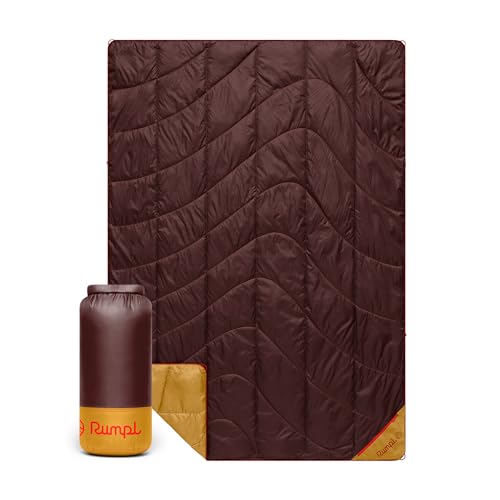
Rumpl Backcountry Puffy Blanket
What We Like
- Warmest blanket in Rumpl's lineup
- Packs into a compact roll-top carry bag
- Made from 100% recycled materials
- Machine-washable synthetic insulation
Trade-offs
- At 2.2 pounds, it's heavier than most ultralight down quilts.
- The 75-inch length may be short for taller users.
Rumpl states the Backcountry Puffy Blanket is 20% warmer and 25% more packable than their Original Puffy, a claim reviewers agree with in sentiment. This means it offers improved performance for backcountry camping where reliable warmth and saving pack space are both priorities. It suits backpackers who want a synthetic fill that resists clumping after washing and who value the brand’s sustainability practices, including a carbon-neutral footprint.
The trade-off for that durable, weather-resistant construction is a bit of weight. While it’s not the lightest blanket here, it strikes a practical balance for those who find down blankets too fussy or expensive. For a similar puffy style at a more affordable price, the Wise Owl Outfitters blanket is a frequent comparison, though it lacks the Backcountry’s specific warmth and eco-credentials.
Product photos
iClimb 3M Thinsulate Insulation Blanket

What We Like
- Synthetic insulation resists water and dries quickly
- Packs into its own attached carry pocket
- Buttons and straps allow use as poncho or quilt
- Machine washable for easy care
Trade-offs
- At 56.4 inches wide, it's narrower than a standard sleeping bag
- No temperature rating is provided by the manufacturer
Weighing just one pound, the iClimb blanket is an ultralight option that saves weight for backpackers counting ounces. Its 3M Thinsulate insulation is a featherless, water-resistant synthetic fill that traps body heat while allowing moisture to escape. The blanket converts with buttons and straps into a poncho or quilt, and it stuffs into its own attached pocket, so it packs down small in your gear.
The blanket’s 56.4-inch width provides coverage, though active sleepers might find it snug as a standalone quilt. Compared to down-filled alternatives like the Sea to Summit Ember Ultralight Down Quilt, which is listed at 1.3 pounds, the iClimb is lighter. Its synthetic insulation and water resistance make it a practical choice for damp conditions or for those preferring a featherless fill.
Sea to Summit Ember Ultralight Down Quilt

What We Like
- High 850-fill down for warmth-to-weight efficiency
- Ultra-Dry treatment improves moisture resistance
- Snap-on straps secure quilt to a sleeping pad
- Compresses extremely small for its warmth level
Trade-offs
- 35°F rating limits use to warm-season backpacking
- Regular size accommodates users only up to six feet tall
- Ultralight fabrics may be less durable than heavier options
A 1.3-pound packed weight for 35-degree warmth makes this quilt a clear choice for gram-counting backpackers in mild conditions. The 850-fill down and Ultra-Dry treatment offer serious thermal efficiency and a bit of moisture peace of mind in a package that shrinks to the size of a large grapefruit. It’s built for the minimalist who views every ounce in their pack as a negotiation.
The 35-degree rating and ultralight fabrics mean this quilt is intended for two-season, warm-weather use. For summer bike tours or fast-and-light hikes where bulk is the enemy, the Ember is designed for those conditions. The Sea to Summit Traveller Down Sleeping Bag Blanket, which unzips flat, offers a different 45-degree design.
Product photos
ONETIGRIS Down Camping Blanket

What We Like
- Snap buttons convert it into a hands-free poncho
- Generous 79-inch length accommodates two people
- 600 fill power down offers solid warmth for its weight
Trade-offs
- The 77°F upper comfort limit restricts use in warmer conditions
This 600-fill duck down blanket measures 79 by 55 inches, creating a genuinely spacious envelope for two people to share without feeling pinched. Its width and a polyester lining rated for stains and odors make it a logical pick for car camping or backyard stargazing, where its 2.3-pound weight is less critical. You can also use the snap buttons along one edge to wear it as a cloak, a thoughtful touch for chilly evenings when you want your hands free for a drink.
A key trade-off for the ONETIGRIS blanket’s generous two-person coverage and feature set is its packed volume, which is substantial relative to single-person quilts. Its 37-ounce weight is more than double that of some single-person down alternatives. The specified comfort range tops out at a mild 77°F, making it better suited for crisp autumn evenings than summer backpacking where every ounce counts. For two people sharing a blanket from the car to a concert lawn, however, that compromise is practical.
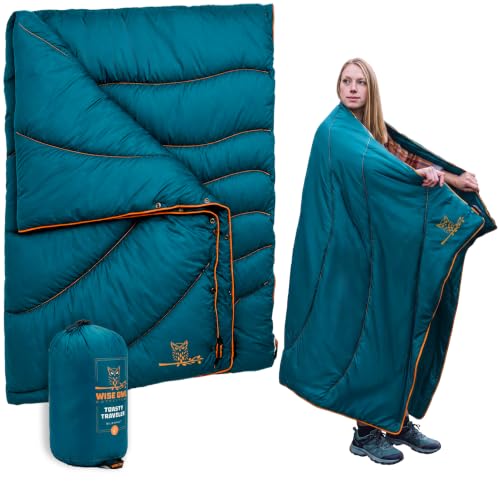
Wise Owl Outfitters Camping Blanket
What We Like
- Water-resistant nylon shell repels moisture
- Snaps into a wearable poncho for versatility
- Machine washable with no special care needed
- Packs down compactly for ultralight travel
Trade-offs
- At 1.8 pounds, it's heavier than several ultralight rivals like the iClimb
- No temperature rating is specified for precise climate planning
A blanket that unfolds to nearly six and a half feet gives you full-body coverage without skimping, a practical size for wrapping up at a campfire or using as a hammock top quilt. Its water-resistant coating and simple snap clasps add thoughtful utility for shifting weather, making it a straightforward, adaptable layer for three-season car camping or festivals. This is a pick for anyone who needs reliable, multi-use warmth without fussy maintenance.
Weighing 1.8 pounds, this blanket carries more than some dedicated backpacking quilts, so it’s a trade-off for its versatile features. It’s heavier than options like the Sea to Summit Ember, which prioritizes minimal weight. The design suits campers who value a durable, multi-use blanket over cutting every ounce for extended hikes.
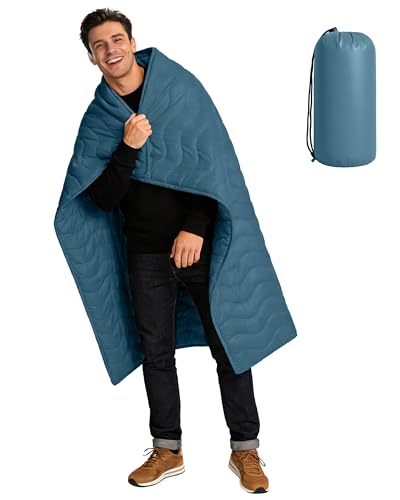
Arcocharm Camping Blanket Ultralight
What We Like
- Compresses to a 5.1×11 inch stuff sack
- Poly synthetic insulation mimics down's puffiness
- Snap buttons allow use as a shawl or sleeping bag
- Calendered waterproof coating resists spills and dirt
Trade-offs
- No temperature rating provided for precise season planning
A packed size of 5.1 by 11 inches means this blanket disappears into the bottom of a pack, leaving room for everything else. That makes it a compelling pick for gram-counting backpackers or anyone who prioritizes a minimalist kit. The poly synthetic insulation aims for a down-like feel without the down price, and the calendered waterproof shell adds a layer of confidence against damp ground or a sudden spill.
The Arcocharm blanket uses poly synthetic insulation, which mimics the puffiness of down, to provide warmth in a package that weighs 1.1 pounds. Its 20D polyester shell and waterproof coating offer resistance to wind and moisture, making it a versatile layer for various outdoor conditions. Multiple buttons allow it to be configured as a comforter, shawl, or sleeping bag, enhancing its utility beyond a simple ground blanket.
Product photos
Sea to Summit Traveller Down Sleeping Bag Blanket

What We Like
- Unzips completely into a flat blanket
- Shoulder and foot drawcords for adjustable warmth
- Includes Ultra-Sil compression sack
- Can zip two together for a double system
Trade-offs
- Maximum user height of six feet limits taller users
- Warmer 45°F rating is not for deep winter
A full-length zipper transforms this from a mummy-style bag into a flat blanket, which is the core of its versatility. That makes it a logical pick for someone whose trips mix hut stays, summer camping, and travel where a single layer might be too cool. The 650-fill down and DWR treatment mean it handles damp mornings better than untreated down, and at 1.3 pounds, it packs down small enough for bike touring or a backpack’s spare compartment.
While its convertible design is versatile, the blanket’s 60.6-inch width is noticeably trimmer than the Get Out Gear Down Camping Blanket’s 80-inch span. This makes it better for solo wrapping than for sharing as a picnic spread. It sits in a premium tier as a focused tool for adaptable sleep systems, appealing to those who value a manufacturer’s lifetime guarantee and responsible down sourcing over maximum square footage.
Product photos
COVACURE Packable Down Alternative Blanket

What We Like
- Waterproof, rip-stop nylon shell resists stains and weather
- Snap clasps convert blanket to a hands-free poncho
- Packs down small into its included carry sack
- Corner loops for securing the blanket in wind
Trade-offs
- At 1.4 pounds, it's heavier than some ultralight rivals like the iClimb blanket
A 100% nylon rip-stop shell gives this blanket a clear edge in damp conditions, making it a reliable choice for campers who prioritize weather resistance over absolute minimal weight. The thoughtful snaps and loops add practical versatility, letting you wear it or anchor it easily. Its synthetic down fill and mid-range packability suit three-season backpackers who need a durable, all-purpose layer that can handle unexpected moisture without fuss.
With a packed weight of 1.4 pounds, the COVACURE blanket is heavier than some ultralight competitors, which matters for backpackers counting every ounce. Its combination of a rip-stop nylon shell and snap clasps for wearability provides practical, hands-free protection from the elements. The 78.7-inch length offers ample coverage for a single user or even a pet during outdoor activities.
Product photos
ROSE FEATHER Down Camping Blanket

What We Like
- Includes poncho snaps and corner tie loops
- Reversible design for style and cleanliness
- Includes a convenient carry bag
Trade-offs
- Less wind protection than a full sleeping bag
- No specific temperature rating provided
- Slightly heavier than the 1.0 lb Get Out Gear blanket
At just 1.2 pounds for a 55 by 79 inch blanket, the ROSE FEATHER is built for backpackers who count every ounce. Its 500 grams of goose down filling offers serious warmth for the weight, and it compresses into a stuff sack smaller than a loaf of bread. This is the pick for anyone whose priority is minimizing pack bulk and weight without sacrificing a full-length sleeping layer or a cozy camp lounge blanket.
Its ultralight design comes with a less structured feel than a dedicated quilt. You can use the snap buttons to create a poncho or the rope lock for a basic footbox, but it lacks the secure, sealed warmth of a true sleeping bag. This blanket excels on trips where versatile, multi-use gear is key. If your main goal is a streamlined sleep system for cold nights, the Sea to Summit Ember quilt is engineered more specifically for that single task, though it is slightly heavier.
Product photos
How We Evaluated Backpacking Blankets
Our research focused on manufacturer specifications, expert round-up comparisons, and consistent patterns in owner feedback. We prioritized three key criteria. First is warmth-to-weight efficiency, which determines how much insulation you carry for the heat you get. Second is packability, measured by compressed dimensions and included stuff sacks. Third are versatile features like snaps for poncho conversion or straps for pad attachment. This approach reveals which blankets deliver on their promises, but it cannot replicate the subjective comfort of long-term personal use in the field.
What To Look For In Backpacking Blankets
Your ideal blanket balances insulation, packed volume, and features that suit your trip style. A great backpacking blanket provides reliable warmth without dominating your pack.
Focus on the warmth-to-weight ratio of the insulation, the blanket’s compressed dimensions, and any convertible features like snaps or straps that add functionality beyond camp lounging.
Insulation Type and Warmth
Down insulation, like the 850-fill in the Sea to Summit Ember, offers the best warmth for its weight and packs smallest, but it loses loft when wet and requires careful laundering. Synthetic fills, as in the Rumpl Backcountry Puffy, are heavier for their warmth but dry quickly, resist moisture, and are machine-washable, making them a practical choice for damp conditions. Some manufacturers provide a temperature rating, like the Ember’s 35°F, which offers a useful benchmark, though many affordable blankets omit this detail.
Packability and Weight
For backpacking, a blanket’s packed size is often as critical as its weight. Top performers compress to a cylinder around 5×12 inches or smaller, as seen with the Get Out Gear and Arcocharm blankets. Weight ranges from just over a pound for the lightest down options to over two pounds for the warmest synthetic models. Consider if the included stuff sack is a simple pouch or a more functional roll-top design.
Features and Versatility
Convertible features significantly increase a blanket’s utility. Snaps that create a poncho, like on the Get Out Gear or ONETIGRIS blankets, free your hands for camp chores. Some quilts, like the Sea to Summit Ember, include straps to secure them to a sleeping pad, preventing drafts. Look for practical details like corner loops for staking in wind, water-resistant DWR coatings, and machine-washability for easy care after muddy trips. Our research into packable blankets confirms that these functional extras often justify a slight weight penalty for many users.
- Check the length and width: a 75-inch length may be short for taller users, while a 54-inch width is typically for solo use.
- Prioritize a water-resistant shell and quick-drying insulation if you camp in humid or variable climates.
- Verify care instructions; machine-washable synthetic fills simplify maintenance compared to down.
The best backpacking blanket is the one you’ll actually pack, so favor compactness and features that match your most common trips.
Backpacking Blankets Compared
The comparison table below details key specifications like dimensions, weight, insulation type, and special features to help you see the differences at a glance.
| Product | Weight | Insulation Type | Shell Material |
|---|---|---|---|
| Get Out Gear Down Camping Blanket | 1.0 Pounds | 650 Fill Power down | 20D ripstop nylon |
| Rumpl Backcountry Puffy Blanket | 2.2 pounds | Partially plant-based NanoLoft | VersaWeave 30D polyester |
| iClimb 3M Thinsulate Insulation Blanket | 1.0 pound | 3M Thinsulate M80 (80 g/m²) | N/A |
| Sea to Summit Ember Ultralight Down Quilt | 1.3 pounds | 850 RDS-certified down | 10D/7D nylon |
| ONETIGRIS Down Camping Blanket | 2.3 pounds | 600 duck down | 20D Nylon |
| Wise Owl Outfitters Camping Blanket | 1.8 pounds | N/A | Durable nylon |
| Arcocharm Camping Blanket Ultralight | 1.1 pounds | Poly Synthetic | 20D polyester |
| Sea to Summit Traveller Down Sleeping Bag Blanket | 1.3 pounds | 650+ fill power duck down | Recycled 20D polyester |
| COVACURE Packable Down Alternative Blanket | 1.4 pounds | Synthetic down | 100% nylon rip-stop |
| ROSE FEATHER Down Camping Blanket | 1.2 pounds | 90% goose down | 20D nylon with DWR |
Frequently Asked Questions
What is the warmest type of backpacking blanket?
High-fill-power down quilts, like the Sea to Summit Ember, provide the most warmth for the least weight and pack size. For damp conditions where moisture resistance is key, premium synthetic blankets like the Rumpl Backcountry Puffy offer reliable warmth that is easier to care for, though they are typically heavier for an equivalent warmth level.
Can you use a backpacking blanket as a sleeping bag?
Some blankets are designed to convert into a sleeping bag. The Sea to Summit Traveller Down Sleeping Bag Blanket fully unzips into a flat blanket but can be zipped up as a bag, while others use snap-together designs or straps. Most standalone blankets, however, lack a full draft-sealing enclosure and offer less wind protection than a dedicated sleeping bag.
How do I choose between a down or synthetic blanket?
Choose down if you prioritize the absolute best warmth-to-weight ratio and smallest packed size for dry climates. Opt for synthetic insulation if you expect damp conditions, want machine-washable ease of care, or have budget constraints, as synthetic blankets often provide better value. Our guide on down quilts explores the high-end down option in more detail.
Are backpacking blankets worth it compared to a sleeping bag?
For warm-weather camping, summer festivals, or as a supplemental layer in a shelter, a blanket offers superior lounging comfort and versatility. For cold-weather backpacking where sleep efficiency is critical, a mummy-style sleeping bag with a hood and draft tube will generally be warmer and more secure. A complete camping sleep system often includes both.
What should I look for in a blanket for two people?
Look for generous dimensions, typically around 79 inches in length, like the ONETIGRIS Down Camping Blanket. A wider design ensures shared coverage. Also consider if features like dual poncho snaps or the ability to zip two units together, as with the Sea to Summit Traveller, suit your needs as a couple.
The Bottom Line
The Get Out Gear Down Camping Blanket is our best overall pick for solo backpackers who value its poncho conversion and excellent packability. If you’re on a budget, the versatile Wise Owl Outfitters Camping Blanket is a strong contender, while couples should consider the spacious ONETIGRIS Down Camping Blanket. Ultimately, the most important factor is matching the blanket’s packed size and warmth to the specific demands of your pack and your climate.
