
10 Best Pillows For Kyphosis in 2026
This post contains affiliate links. As an Amazon Associate, we earn from qualifying purchases.
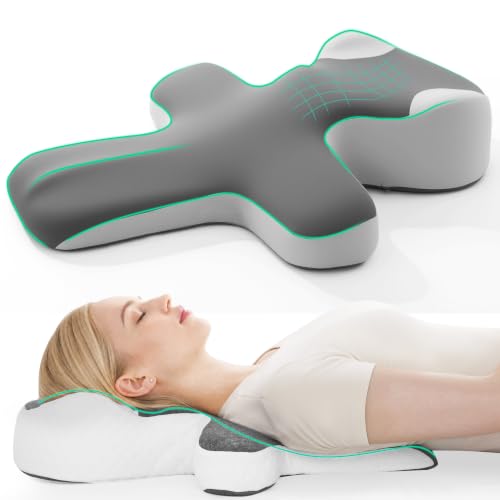
For kyphosis support, the ROYALAY Neck Hump Support Pillow is the best overall pick. Its contoured shape gently supports the neck, shoulders, and upper spine while its slow-rebound memory foam holds the correct position throughout the night. The Demelon Cervical Neck Pillow offers a compact waterdrop design for targeted cervical alignment, while the DONAMA Cervical Pillow provides hypoallergenic materials for sensitive sleepers.
Living with kyphosis means your pillow needs to do more than just cushion your head. It must actively support the natural curve of your cervical spine and encourage proper alignment from your neck down through your upper back. The wrong pillow can worsen forward head posture and leave you waking with stiffness in the shoulders and upper spine.
This guide is based on a thorough review of manufacturer specifications, expert recommendations, and consistent patterns in owner feedback across the most effective pillow designs for kyphosis. We evaluated ten pillows across key criteria including contour shape, loft height, material density, and adjustability to help you find the right match for your sleeping position and posture needs.
Top 10 Pillows For Kyphosis in the Market
Certain content that appears on this site comes from Amazon. This content is provided "as is" and is subject to change or removal at any time.
The Best Pillows For Kyphosis, Reviewed
ROYALAY Neck Hump Support Pillow
What We Like
- Contoured shape supports neck, shoulders, upper spine
- Gentle stretch opens chest and shoulders
- Slow-rebound memory foam holds shape
- Two removable pillowcases for easy cleaning
Trade-offs
- At 0.1 inches tall, it offers minimal loft
- Needs 48 hours to expand from vacuum packaging
A 0.1-inch height makes this pillow essentially a flat contour, not a thick cervical roll. That means it works best for back sleepers who want a gentle lift along the neck and upper spine, not a dramatic angle change. The slow-rebound memory foam gradually conforms to your shape, so you get consistent support without waking up to adjust. The two included covers let you swap one while the other is in the wash, which keeps things cleaner longer than most pillows in this guide.
The trade-off is that same low profile: if you need more height to fill the gap between your head and mattress, this pillow won’t get you there. Compared to the DONAMA Cervical Pillow, which offers dual-height options for side and back sleepers, the ROYALAY is strictly for those who prefer a subtle contour. The 48-hour expansion wait also means you can’t use it the night it arrives. For someone with kyphosis who sleeps on their back and wants a gentle, low-lift stretch, this is a straightforward, well-thought-out design.
Product photos
Demelon Cervical Neck Pillow

What We Like
- Waterdrop contour supports cervical spine alignment
- High-density memory foam with OEKO-TEX certification
- Foldable for travel or use as lumbar support
- 100-night free trial and 3-year warranty
Trade-offs
- Narrower than some cervical pillows at 9.0 inches wide
A 20.1-inch length and waterdrop-shaped cross section mean this pillow cradles the neck in a concave curve while leaving room for your head to rest naturally. That directly targets the forward-head posture that kyphosis often brings. The high-density memory foam core holds its shape without feeling stiff, and the foldable design adds versatility for travel or desk use. This is a pillow that prioritizes precise cervical positioning over plush comfort, best for someone who wants structured support through the night.
The pillow’s 9.0-inch width is narrower than the 15.0-inch DONAMA cervical pillow, which means it has a smaller footprint overall. This design suits someone who wants a compact, targeted neck cradle rather than a full-width contour pillow. If you prefer a wider surface or dual-height options, the DONAMA offers those features instead.
DONAMA Cervical Pillow

What We Like
- Hypoallergenic, tested safe for all skin types
- Removable, machine-washable zippered cover
- Dual-height design suits side, back, stomach sleepers
- Cooling cover wicks heat and moisture
Trade-offs
- Requires 24+ hours to fully expand after unpacking
- Initial harmless manufacturing scent needs airing overnight
- At 2.4 pounds, heavier than some travel-friendly options
The DONAMA Cervical Pillow’s CertiPUR-US certified memory foam and hypoallergenic construction mean it skips the chemical off-gassing and skin irritation that cheaper foam pillows sometimes bring into your bed. That matters for anyone with allergies or sensitive skin who needs consistent neck support through the night. The dual-height contour lets you pick the side that matches your sleeping position, and the armrest grooves keep your shoulders from feeling cramped when you roll onto your side.
You will need to let this pillow breathe for a full day after unpacking to reach its intended firmness, and the initial manufacturing scent requires overnight airing. That is standard for compressed memory foam. Once expanded, the slow-rebound foam provides steady alignment for neck strain, especially for back and side sleepers who want a predictable, hypoallergenic surface they can toss in the wash.
Product photos
JOYENERGY Ergonomic Cervical Pillow

What We Like
- Dual heights with removable foam layer
- Butterfly contour cradles head at 15° angle
- Breathable machine-washable 3D mesh cover
- High-density slow-rebound memory foam
Trade-offs
- 3.9 pounds is heavier than many cervical pillows
- Requires 24-hour airing to dissipate initial odor
A removable foam layer lets you choose between two support heights, which matters when your neck needs a precise loft that standard pillows can’t fill. The butterfly-shaped hollow contour holds your head at a 15-degree angle while the widened armrest grooves aim to keep your shoulders from going numb. High-density memory foam does the slow-rebound work of molding to your neck’s natural line, and the 3D mesh cover breathes well enough to avoid waking up sweaty. This pillow suits anyone who wants the ability to adjust loft height between two options, rather than being stuck with a single fixed height.
Weight is the main consideration here: at 3.9 pounds this is noticeably heavier than the DONAMA model (2.4 pounds), so if you toss the pillow across the bed or travel with it, you’ll feel the difference. And like most vacuum-packed foam pillows, it needs a full day aired out before the factory smell fades. For someone who values adjustability over portability, the JOYENERGY gives you a level of fine-tuning that a fixed-height pillow cannot match.
Product photos
Lumia Wellness Cervical Wedge Pillow

What We Like
- Removable, washable 100% felt cover
- Non-toxic, hypoallergenic foam material
- FSA/HSA eligible product
Trade-offs
- At 6 x 6 x 13 inches, it is compact and narrow
- Dense firm foam offers no give for side sleepers
At 6 inches high and 6 inches wide, this wedge targets the cervical curve with precision rather than cradling your whole head. The dense firm foam and wedge shape restore proper cervical curvature, addressing forward head tilt and neck hump issues. For anyone dealing with a stiff neck or straight neck, this focused support works on that specific alignment without extra bulk.
This pillow is small and firm. At 0.4 pounds and 13 inches long, it is lightweight and compact, which means it stays put best on a firm surface. On a soft mattress or if you roll to your side, it may shift or feel narrow. Compared to the Kanuda Largo, which measures 23.6 by 11.8 inches and offers a wider sleeping surface, the Lumia Wellness wedge is designed for back-sleeping use. It works best when used intentionally for neck traction or correction, not as an all-night pillow for restless sleepers.
Kolbs Bed Wedge Pillow

What We Like
- Medical-grade foam core for structured support
- 1.5" memory foam top layer for comfort
- Removable, machine-washable jacquard cover
- Designed for chronic care positioning
Trade-offs
- 7.5" height offers only moderate incline
- Square shape limits leg or knee placement
A 24-inch square wedge with a medical-grade foam core and 1.5-inch memory foam top means this isn’t a flimsy bed riser, it’s built to hold consistent elevation for people managing respiratory or circulatory conditions. That structured support matters for kyphosis because maintaining torso alignment overnight reduces the forward slump that can worsen morning stiffness. The removable jacquard cover also keeps the pillow looking like bedroom furniture rather than hospital equipment, which matters when you’re using it every night.
The 7.5-inch height provides a moderate incline, which works well for acid reflux relief or general upper-body elevation, but if you need a steeper angle for chronic care positioning, the 12-inch option is available. Compared to the Vekkia Extra-Long Wedge Pillow, which has a different shape, the Kolbs square design focuses on torso support rather than leg or full-body positioning. That makes it a better fit for someone who needs consistent upper-body elevation rather than a full-body incline.
Product photos
Vekkia Extra-Long Wedge Pillow

What We Like
- 31-inch length supports full upper body
- Gradual incline from head to lower back
- Removable Dutch velvet cover is machine washable
- Dual side pockets for phone or remote
Trade-offs
- Needs 48 hours to fully expand after unpacking
- Single fixed height offers no adjustability
A 31-inch wedge means your entire upper body, not just your head, gets supported from shoulders down to your lower back, creating a smooth, gradual incline rather than a sharp angle. The 7.5-inch height lifts your torso enough to help ease nighttime discomfort, while the high-density foam holds its shape through the night so you are not sinking into a slumped position by morning. This is the wedge for taller individuals or anyone who wants full upper-body support from a longer incline.
The same firm foam that gives this pillow its structure also means it is designed to hold its shape, so if you prefer a very plush feel under your back or shoulders, this may feel less giving. Compared to the Kolbs Bed Wedge Pillow, which also uses a 7-inch height but measures 24 inches long, the Vekkia gives you seven extra inches of length for a smoother transition, while the Kolbs offers a jacquard cover. Just plan ahead for the 48-hour expansion time; this arrives vacuum-packed and needs a full two days to reach its final support.
Product photos
Yojoker Extra-Long Wedge Pillow
What We Like
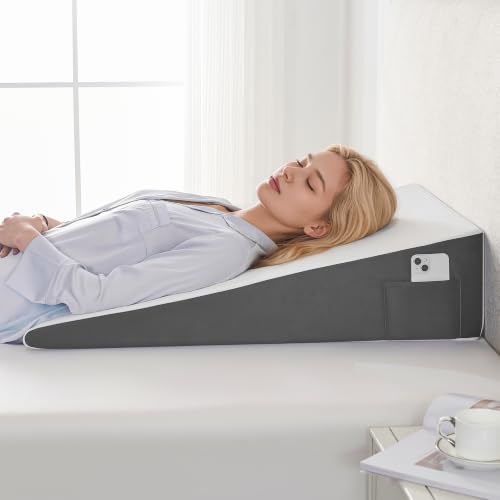
- 34-inch length covers full upper body
- Removable washable cover for easy care
- Foam holds shape without collapsing
Trade-offs
- Not shaped for cervical curve support
- Low 5-degree incline offers minimal elevation
A 34-inch length means this wedge supports your entire upper body, head, shoulders, back, and arms. It avoids the usual gap where a shorter pillow leaves your shoulders dangling. That extra coverage matters when you need to stay propped up after surgery or while managing acid reflux, and the 5-inch low incline keeps the angle gentle enough that you won’t feel like you’re sliding off. It suits anyone who wants a subtle elevation for reading, lounging, or sleeping upright without the aggressive slope of taller wedges.
The low incline here means that at 7.5 inches, it won’t lift your head enough for someone with severe reflux or breathing issues who needs a steeper angle. Compared to the Kolbs Bed Wedge Pillow, which also rises to 7.5 inches, this Yojoker offers a similar height. It also lacks any contoured neck support, so if you need targeted cervical alignment rather than just general elevation, a shaped pillow like the DONAMA Cervical Pillow would address that need better. For straightforward full-body propping at a modest angle, this wedge does exactly what its dimensions promise.
Kanuda Largo Orthopedic Cervical Pillow
What We Like
- Replicates OCBR & CV4 therapy techniques
- Height adjustment insert for personalized fit
- Optimized for side and back sleepers
- High-density slow rebound memory foam
Trade-offs
- Medium occipital profile limits customization range
- Narrower width than some alternatives at 11.8 inches
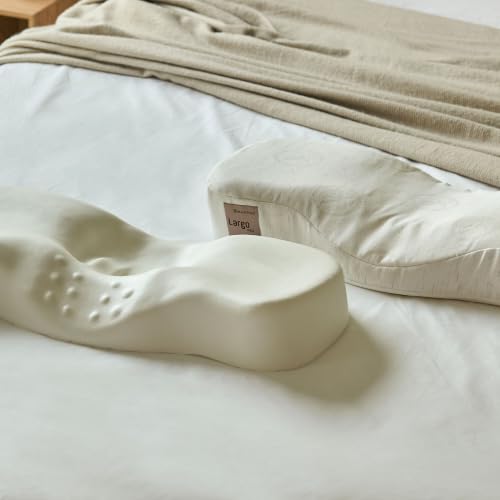
A medium occipital profile with a soft adaptive contour means this pillow is built specifically for tech-neck correction, not just general neck pain. The Kanuda Largo replicates OCBR and CV4 therapy techniques, so it’s designed to ease the forward-head posture many people develop from desk work or phone use. The high-density slow rebound memory foam delivers firm support that holds its shape through the night, and the height adjustment insert lets you tweak the loft for your frame. For side and back sleepers who wake up with a stiff neck from craning at screens, this is a targeted solution that addresses the root posture issue rather than just cushioning the head.
The listed height of 0.0 inches on Amazon is clearly a data error, so you’ll want to check the actual loft from the manufacturer before buying. At 11.8 inches wide, it’s narrower than some alternatives like the ROYALAY Neck Hump Support Pillow at 17.7 inches, so if you tend to roll or shift a lot, you might find yourself slipping off the contour. The medium occipital profile is designed for tech-neck correction, but very petite or very broad-shouldered sleepers may need to rely heavily on the included height adjustment insert to find their sweet spot. It’s a smart pick if your primary concern is tech-neck posture, but less forgiving if you need a wider sleep surface or a more dramatic height range.
GOWENIC Kids Neck Support Pillow

What We Like
- Adjustable fit for growing neck sizes
- Memory foam contours to child's shape
- Secure strap system prevents slipping
- Promotes posture correction during screen time
Trade-offs
- Designed for children only, not adults
- Continuous traction requires regular use for results
An adjustable cervical pillow that also works as a wearable brace means this is designed to move with a child during homework, car rides, and sleep. The memory foam contours to the child’s neck shape while the strap system keeps it in place, reducing the need for readjustment. For parents watching their child slump over screens, this pillow helps counteract forward head posture and promote correct head and neck alignment. It suits families who want a non-invasive tool for daily neck health that can be used during study, travel, or relaxation.
This is a dedicated pediatric device, so it won’t fit an adult or replace a full-size cervical pillow for a parent sharing the bed. For a family committed to correcting posture early, this product addresses a specific need that other pillows in the guide may not.
Product photos
How We Evaluated Pillows For Kyphosis
To build this guide, we analyzed product specifications, manufacturer documentation, and expert round-ups on cervical support and posture correction. We looked for consistent patterns in owner feedback, what people with kyphosis, forward head posture, and upper back discomfort actually reported about comfort, support, and durability over weeks of use.
The four criteria that mattered most were contour design, loft height, material quality, and adjustability. Contour design is about how well the pillow supports the cervical curve and upper spine. Loft height considers whether the pillow is low-profile for back sleepers or adjustable for different positions. Material quality covers memory foam density, breathability, and certifications like OEKO-TEX. Adjustability includes removable layers or dual-height options that let you fine-tune support.
A research-led evaluation like this cannot replace personal trial, since pillow fit depends heavily on individual body type, sleeping position, and the severity of your kyphosis. We focus on what the data and owner experiences consistently point to: the features that make a pillow genuinely effective for upper spine support.
What To Look For In Pillows For Kyphosis
Choosing a pillow for kyphosis means prioritizing cervical curve support over plush comfort. The right pillow keeps your head, neck, and upper spine in a neutral alignment whether you sleep on your back or side.
Look for a contoured or cervical pillow that supports the natural curve of your neck, with a low loft for back sleeping or adjustable height for side sleeping. Firm, high-density memory foam holds shape better than soft fills. Machine-washable covers and hypoallergenic materials add practical value.
Contour Design and Cervical Support
The most effective pillows for neck hump feature a contoured shape with a deeper central depression for the head and a raised ridge that supports the cervical spine. This design helps maintain the natural inward curve of the neck rather than letting it flatten or slump forward. For kyphosis, the contour should extend support to the upper shoulders and base of the skull.
Waterdrop-shaped pillows like the Demelon offer a more targeted curve that cradles the cervical vertebrae, while butterfly contours like the JOYENERGY cradle the head at a specific angle. The key is finding a contour depth that matches your neck length, too shallow and you get no support, too deep and you feel pressure points.
Loft Height and Sleeping Position
Back sleepers with kyphosis generally need a lower loft, around two to three inches, to keep the head from being pushed forward. That would worsen the hunched posture. The ROYALAY Neck Hump Support Pillow is only 0.1 inches tall at its lowest point, making it ideal for back sleeping but unsuitable for side sleepers who need more height to fill the gap between shoulder and head.
Side sleepers need a higher loft, typically four to five inches, to keep the spine aligned horizontally. Adjustable pillows like the JOYENERGY with removable foam layers let you dial in the exact height for your shoulder width. Your sleeping position matters more for kyphosis than for general comfort because incorrect height directly affects upper spine alignment.
Material Density and Support
High-density memory foam is the standard for kyphosis pillows because it provides firm, consistent support without collapsing under head weight. Slow-rebound foam (sometimes called viscoelastic) molds to your shape over several seconds, distributing pressure evenly while keeping the cervical spine in position. Cheaper foams lose their resilience within months, leaving you with a flattened pillow that offers no support.
Look for foam densities that feel firm but not hard. The Lumia Wellness wedge uses a dense, non-toxic foam that offers no give, good for awake traction sessions but potentially too firm for all-night use. The DONAMA and JOYENERGY pillows balance density with enough give for comfortable sleeping. Certifications like OEKO-TEX indicate the foam has been tested for harmful substances.
Adjustability and Customization
A pillow that can adapt to your specific needs is valuable because kyphosis varies in severity from person to person. Adjustable features include removable foam layers (JOYENERGY), dual-height designs with different curves on each side (DONAMA), and height adjustment inserts (Kanuda Largo).
- Check whether the pillow comes with a removable cover that is machine washable
- Look for a warranty or trial period, 100 nights is a good sign of manufacturer confidence
- Verify the expansion time if the pillow arrives vacuum-packed, some need 24 to 48 hours
- Measure your shoulder width to estimate the loft height you will need for side sleeping
- Consider whether you want a full pillow for all-night use or a wedge for targeted traction sessions
A pillow that works for kyphosis should feel supportive, not soft. If you can press the foam down to the table surface easily, it is too soft for posture correction.
Pillows For Kyphosis Compared
The table below compares all ten pillows across the key specifications that matter for kyphosis support, including contour type, loft height, and adjustability features.
| Product | Dimensions | Fill Material | Design |
|---|---|---|---|
| ROYALAY Neck Hump Support Pillow | 23.6 x 17.7 x 0.1 in | Slow-rebound memory foam | Contoured neck hump support |
| Demelon Cervical Neck Pillow | 20.1 x 9.0 x 0.0 inches | High-density memory foam | WaterDrop design |
| DONAMA Cervical Pillow | 24.8 x 15.0 x 0.1 Inches | CertiPUR-US memory foam | Dual-height, contoured with armrest grooves |
| JOYENERGY Ergonomic Cervical Pillow | N/A | High-density memory foam | Butterfly hollow contour, 15° angle |
| Lumia Wellness Cervical Wedge Pillow | 13.0 x 6.0 x 6.0 in | Dense firm wedge foam | Cervical wedge |
| Kolbs Bed Wedge Pillow | 24" x 24" x 7.5" | High-density medical-grade foam + 1.5" memory foam top | Wedge |
| Vekkia Extra-Long Wedge Pillow | N/A | High-density foam | Wedge |
| Yojoker Extra-Long Wedge Pillow | N/A | Supportive foam | Wedge |
| Kanuda Largo Orthopedic Cervical Pillow | 23.6 x 11.8 x 0.0 inches | High-density slow rebound memory foam | Orthopedic cervical |
| GOWENIC Kids Neck Support Pillow | N/A | Soft, breathable memory foam | Adjustable cervical pillow / brace |
Frequently Asked Questions
What is the best sleeping position for kyphosis?
Back sleeping is generally recommended for kyphosis because it allows the spine to rest in a neutral position with proper support from a contoured pillow. Side sleeping can work if you use a pillow with enough height to keep your neck aligned with your spine. Stomach sleeping is not recommended as it forces the neck into rotation.
Can a pillow fix kyphosis or hunchback?
A pillow cannot correct structural kyphosis or reverse bone changes, but it can help improve forward head posture and reduce discomfort by supporting the cervical spine in a better position during sleep. Consistent use of a properly contoured pillow may help prevent posture from worsening and can relieve morning stiffness in the neck and upper back.
How do I know what loft height I need for a kyphosis pillow?
Measure the distance from your ear to the outside of your shoulder while lying on your side, that is the approximate loft height you need. Back sleepers generally need two to three inches of loft, while side sleepers need four to five inches. Adjustable pillows with removable layers let you fine-tune the height after a few nights of trial.
What is the difference between a cervical pillow and a regular pillow?
A cervical pillow has a contoured shape with a raised ridge that supports the natural curve of the neck, while a regular pillow is flat or uniformly filled. The contour keeps the cervical spine in neutral alignment rather than letting it flatten or bend. For kyphosis, a cervical pillow provides the targeted support that standard pillows cannot deliver.
How long does it take to adjust to sleeping on a kyphosis pillow?
Most people need about three to seven nights to adjust to a contoured cervical pillow. The first few nights may feel unusual as your neck and shoulder muscles relax into the new position. If discomfort persists beyond two weeks, the pillow may be the wrong height or contour depth for your body.
The Bottom Line
The ROYALAY Neck Hump Support Pillow is the best choice for back sleepers with kyphosis who need a low-profile contour that supports the neck, shoulders, and upper spine without pushing the head forward. Its slow-rebound memory foam holds its shape night after night, and the two removable pillowcases make cleaning simple.
If you sleep on your side or need more versatility, the JOYENERGY Ergonomic Cervical Pillow offers dual heights with a removable foam layer so you can adjust the loft to match your shoulder width. For those with allergies or sensitive skin, the DONAMA Cervical Pillow combines hypoallergenic materials with a dual-height design that works for multiple sleeping positions.
The single most important factor in choosing a pillow for kyphosis is getting the loft height right for your sleeping position. A perfectly contoured pillow at the wrong height will do more harm than good, so measure your shoulder width and take the time to adjust before committing.
