
Microfiber Sheets Pros and Cons: The Trade-Offs Explained
This post contains affiliate links. As an Amazon Associate, we earn from qualifying purchases.
Content Gaps Addressed:
- Specific wash instructions to prevent pilling
- How to identify high-quality microfiber by GSM
-
Long-term performance under different laundering conditions Image Placement Suggestions: After intro, after GSM section, after care section Image Alt Text Suggestions:
-
Close-up of microfiber sheet weave texture
- Side-by-side comparison of microfiber and cotton sheets
- Washing machine with sheets showing proper load size YMYL Flag: No
Microfiber sheets offer durability, affordability, and easy care at the cost of breathability and long-term heat retention. The synthetic fibers provide a silky feel that some sleepers love, while others find them uncomfortably warm.
That trade-off is the central tension. Microfiber’s tight weave makes it resistant to wrinkles and stains, but that same density traps body heat. The sheets sleep cooler than flannel but warmer than percale cotton, a middle ground that works best in moderate climates or for those who don’t overheat at night.
What follows: how microfiber’s GSM rating predicts quality, the wash routine that extends its lifespan, and where it fits among other bedding fabrics in the microfiber sheets pros and cons debate.
Key Takeaways
- 90–110 GSM is the sweet spot for microfiber, below 90 feels thin, above 120 sleeps hot
- Wash in cold water only (under 85°F) to prevent fiber damage and static buildup
- Skip fabric softener, it coats the synthetic fibers and reduces moisture-wicking
- Sources disagree on lifespan: general bedding sources like Sleep Foundation and Amerisleep state an average lifespan of 2-3 years, while BICS industry guidelines state microfiber has a lifespan of up to 7 years.
- Not ideal for hot sleepers, the fabric traps more heat than cotton or linen
The GSM Rating That Separates Good from Bad
Grams per square meter (GSM) measures fabric density, not thread count. It’s the single best predictor of how microfiber will feel and hold up over time.
A GSM rating over 100 indicates a higher thread density, resulting in a stronger, more durable microfiber. Below 90 is considered low-quality for microfiber.
According to Mellanni, most microfiber sheets will fall between 90 – 110 gsm. At the low end (under 90 GSM), the fabric is considered low-quality for microfiber. High-GSM microfiber (above 120) feels substantial due to higher density.
Look for a GSM rating around 100 on the package. Unlike inflated thread counts, GSM is harder to fake, it’s measured by weight, not yarn twists. A GSM rating around 100 indicates a higher thread density, resulting in a stronger, more durable microfiber.
Microfiber vs Cotton: Where Each Wins
| Factor | Microfiber | Cotton |
|---|---|---|
| Feel | Silky, lightweight | Crisp or smooth depending on weave |
| Breathability | Moderate; can trap heat | Excellent with natural airflow |
| Durability | 2–3 years before pilling | 3–5 years with proper care |
| Care | Cold wash only; no fabric softener | Tolerates warm water; may wrinkle or shrink |
| Best For | Budget buyers, cold sleepers, guest rooms | Hot sleepers, humid climates, sensitive skin |
Cotton breathes better and lasts longer, but costs more upfront, a key point in the microfiber sheets pros and cons analysis. Microfiber resists wrinkles and dries quickly, making it practical for guest rooms or kids’ beds. The Sleep Foundation sheet comparison guide notes that cotton’s natural fibers create microscopic air pockets that promote airflow, something synthetics can’t replicate.
The Wash Routine That Extends Their Life
Microfiber needs gentler care than its durability suggests. Three rules preserve its performance:
-
Cold water only (below 85°F), heat damages the synthetic fibers over time 2.
-
Skip the softener, it coats fibers and reduces moisture-wicking
For static control, add 1/4 cup white vinegar to the rinse cycle. Monthly washes with 1/2 cup baking soda remove odor buildup without harsh chemicals. These steps come from the proper washing instructions for microfiber, tested across multiple brands.
When Microfiber Makes Sense (and When It Doesn’t)
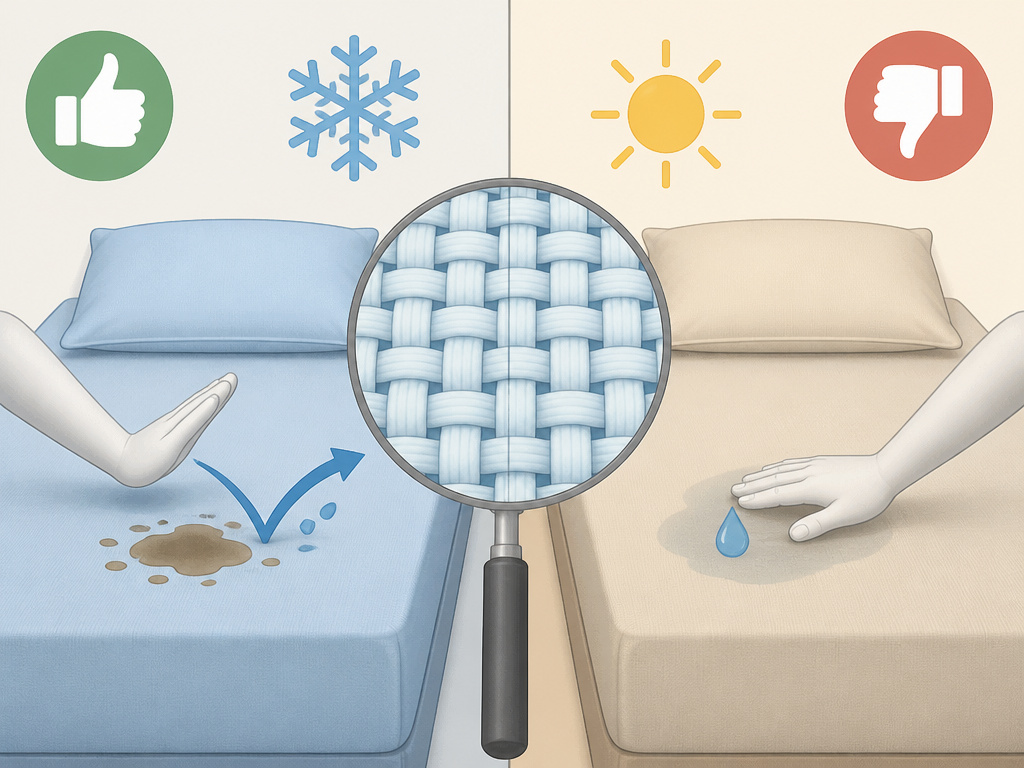
When evaluating microfiber sheets pros and cons, microfiber works best in three scenarios:
- Guest rooms. The wrinkle resistance means presentable bedding with minimal ironing
- Kids’ beds. Stain resistance handles spills better than cotton
- Cold climates. Retained heat is a feature, not a bug, for winter use
It’s a poor choice for:
- Hot sleepers (traps body heat)
- Humid environments (less breathable than cotton or linen)
- Anyone with sensitive skin (can feel clammy when sweating)
The American Journal of Infection Control (AJIC) microbial removal study found no significant difference in microbial removal between new and laundered microfiber after 200 washes under CDC parameters. Home washing at lower temps may not achieve the same results.
Are microfiber sheets good for allergies?
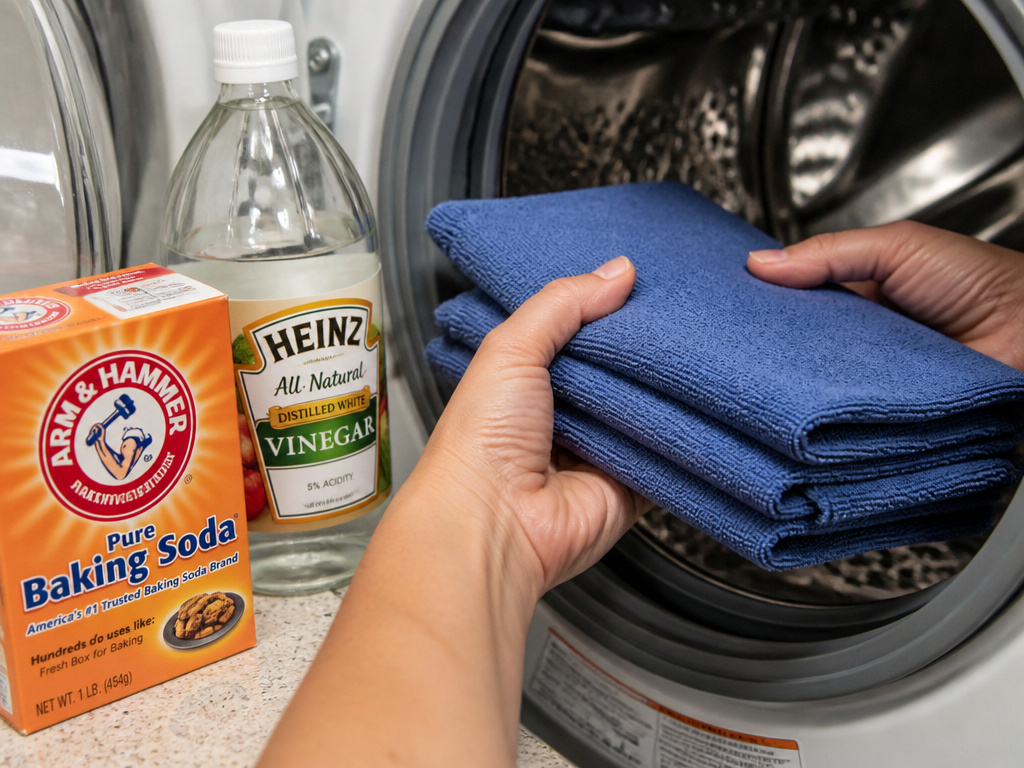
Microfiber sheets can be a practical choice for allergy sufferers because they are easy to clean thoroughly. To keep sheets free of allergens, dead skin cells, and body oils, they should be washed once a week. For deep cleaning and odor removal, a monthly wash with baking soda is recommended. When washing microfiber, use cold water only to prevent fiber damage. Adding white vinegar to the rinse cycle can help with static control. Their tightly woven synthetic fibers can provide a barrier against dust mites, but regular, proper cleaning is the most critical factor for managing allergens on any bedding.
What is the environmental impact of microfiber sheets?
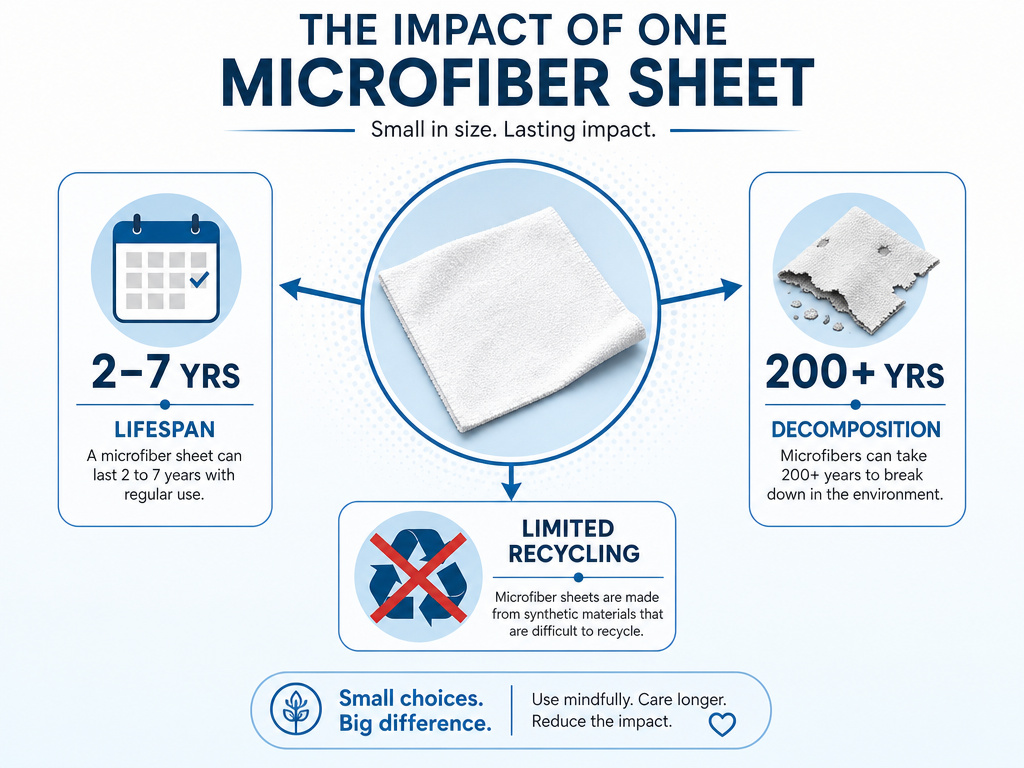
The environmental impact of microfiber sheets is a significant consideration. Microfiber is a synthetic material that takes over 200 years to decompose. While sources disagree on lifespan, with general bedding sources stating 2-3 years and BICS industry guidelines stating up to 7 years, the decomposition time of over 200 years is a key environmental consideration. To minimize impact, care for them properly to extend their life. Wash in cold water to prevent damage and follow guidelines for cleaning to maintain their usability. When they are no longer usable, recycling options are limited, so their end-of-life disposal is a key environmental drawback.
Frequently Asked Questions
What temperature should I wash microfiber sheets?
Always use cold water (below 85°F) to prevent fiber damage and static buildup. Hot water can melt the synthetic fibers slightly, leading to pilling and reduced softness over time. Avoid high-heat drying as well—opt for low heat or air drying.
How can I tell if microfiber sheets are high quality?
Check the GSM (grams per square meter) rating on the packaging. Quality microfiber typically ranges between 90-110 GSM. Sheets below 90 GSM feel thin and wear out faster, while those above 120 GSM may sleep too hot.
Do microfiber sheets get softer over time?
Microfiber sheets maintain their softness if cared for properly, but they don’t soften significantly with use like natural fibers. Avoid fabric softener, which can coat the fibers and reduce their moisture-wicking properties. Instead, use vinegar in the rinse cycle to keep them soft.
Are microfiber sheets good for sensitive skin?
Microfiber is generally hypoallergenic and resistant to dust mites, making it a decent choice for sensitive skin. However, some people find the synthetic fibers less breathable than cotton or linen, which may cause irritation for those prone to night sweats or overheating.
The Bottom Line
Microfiber sheets deliver affordability and easy care at the cost of breathability. They’re a practical pick for guest rooms, kids, or cold climates, but most hot sleepers will prefer cotton or linen.
Give any set three washes before judging, the fibers soften slightly with each cycle. And always check the GSM rating first: 90–110 means you’re getting actual quality, not marketing hype.
