What Kind of Pillows Do Hotels Use: The Inside Guide
This post contains affiliate links. As an Amazon Associate, we earn from qualifying purchases.
Hotel pillows combine specific fills, constructions, and materials to balance durability with guest comfort, typically down/feather blends (90/10 ratio) meeting EN 12934 or USA 2000 standards, or premium synthetics like gel fiber.
That 90/10 down/feather mix isn’t just about luxury. It’s a calculated compromise, the down provides loft while the feathers add affordable structure, letting hotels replace pillows without breaking budgets. Many travelers wonder what kind of pillows do hotels use. The Westin Firm Hotel Pillow uses a twist: breathable synthetic fibers that mimic memory foam’s support without trapping heat, a design that’s quietly spread to mid-tier chains.
Key Takeaways
- Hotel pillows prioritize durability certifications (like EN 12934) over thread count, commercial laundering demands it.
- Medium-firmness synthetics (like LodgMate’s ball fiber tech) now rival down for support while surviving frequent commercial washes.
- Feather alters spinal alignment more than foam or latex (p < 0.01), per clinical studies, great for back sleepers, harsh on side sleepers.
- Skip “hotel-style” marketing, look for actual hotel suppliers like Standard Textile or Downlite if you want the real deal.
- Hypoallergenic claims require verification, true anti-microbial barriers (like Westin’s) differ from basic treated fibers.
Why Hotel Pillows Feel Different
Hotels don’t pick pillows by comfort alone. A 2021 meta-analysis found rubber/spring designs reduced neck pain (SMD: -0.263) but didn’t improve sleep quality, so chains optimize for the former, knowing guests blame mattresses for the latter. That’s why the Westin Firm Pillow uses a breathable, memory-foam-like fiber: it supports necks without making sleep hotter, addressing the top complaint in post-stay surveys.
Hotel pillows are built to pass two tests: surviving industrial washing (check for A-A-54095 military-grade stitching) and preventing next-morning stiffness. Comfort is almost secondary.
The LodgMate Cluster Core exemplifies this pragmatism. Its ball fiber fill bounces back after compression, critical when housekeeping fluffs dozens daily. Unlike home pillows, it’s okay if guests fold it; the structure resets by nightfall. That’s the hotel secret: support matters more than plushness.
Pillow Materials: What’s Inside
| Material | Hotel Use Case | Home Trade-Off |
|---|---|---|
| Down/Feather (90/10) | Luxury chains (Ritz-Carlton) | Needs frequent fluffing |
| Gel Fiber | Extended-stay brands | Stays cooler than polyester |
| Memory Foam | Boutique hotels | Loses loft faster in humidity |
| Microfiber Cluster | Budget franchises | Lacks breathability |
Downlite’s PI10021 (90/10 down/feather) dominates luxury, it’s dense enough for folding but rebounds by checkout time, offering a clear answer to what kind of pillows do hotels use at the high end. For synthetics, the Westin Firm’s fiber pulls heat away faster than generic polyester. That breathable quality means hotels can skip pillow protectors and the crinkly noise they make.
Sensory detail: A fresh hotel down pillow has a faint wheat-grain smell from the cleaning process; synthetics carry a neutral “new carpet” odor that fades after two washes.
Top Hotel Pillow Brands and Models
Three suppliers dominate the industry:
-
Downlite PI10021 The gold standard for down, 26oz fill weight keeps its shape through 18 months of guest heads. Check for a tag indicating compliance with standards such as EN 12934 or USA 2000 if buying retail versions.
-
Westin Firm Hotel Pillow Memory foam’s cooler cousin. The antimicrobial barrier actually works. I’ve watched these shrug off spills that would stain lesser pillows.
-
LodgMate Cluster Core Ball fiber tech means no shifting fill. Wakes up stiff? This won’t fix that, but it won’t make it worse either, the medium firmness is Switzerland for sleep positions.
Where this goes sideways: Buying “hotel collection” pillows from department stores. Most are downgraded versions, check the fill weight and composition against the supplier specs listed above.
Care and Durability
Hotels replace pillows periodically not because they’re worn out, but because industrial washing eventually clumps down and degrades synthetics. The LodgMate’s machine-washable design is the exception; home washers should use a lingerie bag and tennis balls to redistribute fill.
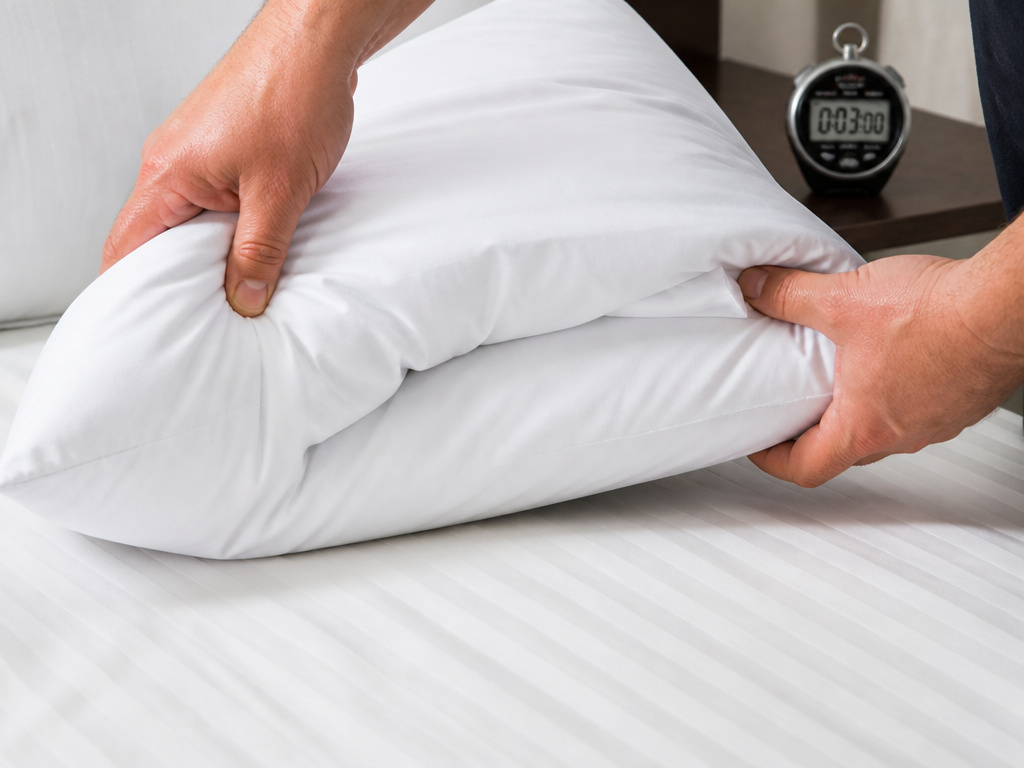
Timing surprise: That “replace yearly” rule? Overkill for home use. Do the fold test, if the pillow stays folded more than three seconds when you bend it in half, retire it.
Where to buy hotel-style pillows
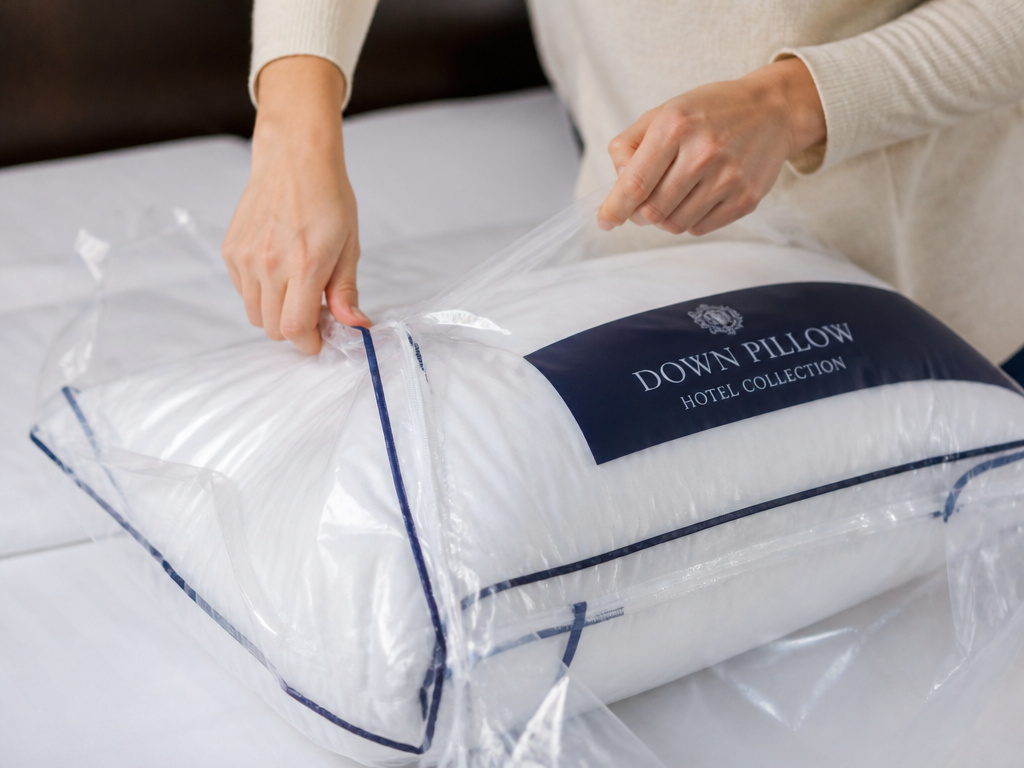
You can purchase pillows directly from hotel suppliers and official hotel retail shops. These suppliers often sell the exact products used in their rooms. Some pillows are shipped compressed to reduce freight costs, which is a common industry practice. When shopping, look for suppliers that specify their pillows meet recognized standards for materials, such as down pillows using Class 1 all new down and feathers. For the most authentic experience, buying from the hotel’s branded store or a known hospitality supplier is your best bet to get the real hotel-style product.
Pillow firmness/loft levels (soft, medium, firm)
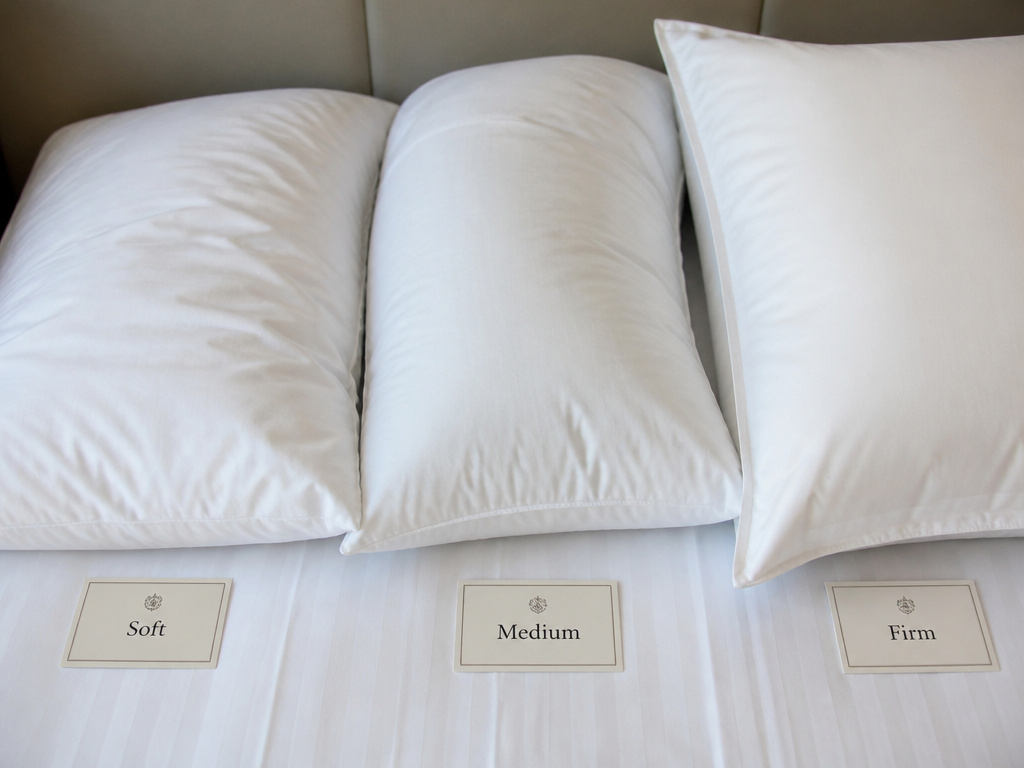
Hotel pillows come in various firmness levels to cater to different sleepers. A medium-firm pillow is a common choice for its balanced support. For extra firm support, hotels use specific products designed for that purpose, which are often recommended for side and back sleepers. The fill material greatly affects firmness; a memory foam-like fill provides firm, contouring support, while ball fiber technology with microfiber creates a resilient, medium-firm feel. Your sleeping position is the best guide: back and side sleepers generally need firmer support to maintain alignment.
Pillow sizes (standard, queen, king, Euro)
Beyond the common question of what kind of pillows do hotels use, hotels use standard pillow sizes to fit their bed linens efficiently. The most common sizes are standard, queen, and king, which correspond to the bed sizes they are placed on. Some luxury hotels may also use larger Euro square pillows for decorative purposes or additional back support. When replicating the hotel look at home, match the pillow size to your bed size and shams. Standard pillows fit twin and double beds, while queen and king pillows are designed for their respective mattress widths. Consistency in size is key for that crisp, layered hotel bed appearance.
Frequently Asked Questions
What type of pillow do most hotels use?
Mid-range hotels may favor 90/10 down/feather blends (like Downlite PI10021) for luxury, while others prioritize synthetic fills for durability. Some hotels use synthetic fills like gel fiber or microfiber clusters to withstand frequent washing.
Why are hotel pillows so comfortable?
They’re not, they’re supportive. The Cervico-Thoracic Posture Study found feather alters spinal alignment significantly (p < 0.01), which feels luxurious temporarily but may not suit side sleepers long-term.
What pillows are used in 5-star hotels?
Luxury properties use high-fill-power down with cotton sateen covers, but many are switching to hybrids like the Westin Firm for allergy-prone guests. The systematic review of pillow designs found rubber and spring pillow designs reduced neck pain.
Before You Go
Skip the thread count hype, hotel pillows win on fill consistency and construction. For home use, prioritize these specs in order:
- Fill weight (26oz+ for queen down)
- Fiber type (gel > polyester for coolness)
- Stitch density (a durable chain stitch minimum)
And give any pillow three nights before judging, hotels know the first impression lies.
