10 Best Disinfectant Sprays For Mattress in 2026
This post contains affiliate links. As an Amazon Associate, we earn from qualifying purchases.
Our best overall disinfectant spray for mattresses is Lysol Fabric Disinfectant Spray. It eliminates most viruses and bacteria, removes odors, and leaves no residue. For mold prevention, we recommend P&G PROFESSIONAL 7309 Disinfectant Sprays, while RID Home Lice and Bedbug Spray is best for pest elimination.
A mattress gathers sweat, allergens, and potential pests over time, making regular sanitizing important for a healthy sleep environment. This guide compares ten sprays based on manufacturer claims, expert reviews, and patterns in owner feedback to match you with the right product for your specific needs.
Top 10 Disinfectant Sprays For Mattresses in the Market
Certain content that appears on this site comes from Amazon. This content is provided "as is" and is subject to change or removal at any time.
The Best Disinfectant Sprays For Mattresses, Reviewed
Lysol Fabric Disinfectant Spray

What We Like
- Eliminates 99.9% of viruses and bacteria
- Removes odor-causing bacteria from fabrics
- Leaves no residue on the mattress
Trade-offs
- A lavender scent may not suit all preferences
- Not specifically formulated for bed bugs or dust mites
A 99.9% elimination rate for viruses and bacteria, including COVID-19, is the core reason to consider this spray for a mattress. It’s a straightforward disinfectant from a brand that specializes in the task, making it a reliable choice for general sanitizing after an illness or for routine refreshment. The added benefit of targeting odor-causing bacteria helps tackle the lingering smells that can build up in a mattress over years of use.
This is a broad-spectrum disinfectant, not a specialized treatment. It won’t target bed bugs or dust mites like the RID or Premo Guard sprays. For someone whose primary goal is deep sanitization and odor removal without venturing into pest control, the Lysol spray handles the fundamentals well. Expert round-ups note it’s a trusted option for disinfecting mattresses.
P&G PROFESSIONAL 7309 Disinfectant Sprays

What We Like
- Prevents mold growth on fabrics for two weeks
- Kills 99.9% of key bacteria on soft surfaces
- Bulk commercial pack is cost-effective for frequent use
- Proprietary formula fights odor sources directly
Trade-offs
- Bulk six-pack is impractical for a single household mattress
- At 12 inches tall, bottles require significant storage space
A 14-day defense against mold growth makes this spray a standout for anyone battling dampness or humidity around their sleeping area. Its proprietary formula is engineered to tackle the source of odors, not just mask them, which matters if you’re dealing with persistent mustiness. This is a commercial-grade solution, so it suits someone who needs to treat multiple mattresses regularly, like in a rental property or a home with several beds in a basement.
This bulk pack of six 32-ounce bottles is designed for commercial settings like hotels, not for a single home. Its formula is a specialist for microbial issues, killing specific bacteria and preventing mold growth on fabrics for up to 14 days. Compared to a more targeted option like the Ecology Works DustmiteX Spray, which is formulated to remove dust mites, the P&G product focuses on sanitization and mold prevention.
Product photos
RID Home Lice and Bedbug Spray

What We Like
- Effective against bedbugs and dust mites
- Designed for mattresses and non-washable fabrics
- Simple three-second spray application
Trade-offs
- 5-ounce size is small for large-scale treatments
- Only for non-washable items, not general laundry
The permethrin formula makes this spray a specialist tool for a specific and stressful problem. For someone facing an active infestation, this focused approach is the entire point. It suits a buyer who needs to eliminate a confirmed pest issue, not just refresh or sanitize a surface.
The 5-ounce can is compact, making it practical for treating a mattress and a few car seats. Its use is directed only at non-washable items, and the instructions specify a 3-second diffusion followed by drying time. This product is intended for a specific pest-killing purpose.
Premo Guard Bed Bug Killer Spray

What We Like
- University tested with 100% kill rate
- Safe for use around children and pets
- Versatile for mattresses, fabrics, and furniture
Trade-offs
- Targets specific pests, not general bacteria or viruses
- Effectiveness relies on direct contact application
A university-tested formula with a 100% kill rate on bed bugs and mites provides scientifically backed confidence for tackling an active infestation. It suits households that need a potent, targeted treatment derived from plant-based ingredients.
The trade-off is its specific focus; it’s a powerful bug killer, not a broad-spectrum disinfectant like CloroxPro 4-in-One Disinfectant Spray. You’re getting a specialized tool for pests, which means it won’t sanitize surfaces against common germs or viruses. For a mattress spray, that’s perfect if bugs are the primary concern, but it leaves general germ-killing duties to another product.
Product photos
The Ecology Works Disinfectant Sprays

What We Like
- Kills dust mites at the source, not just waste
- Colorless and odorless application leaves no residue
- Effective on a wide range of home surfaces
- EPA-registered pesticide, backed by extensive testing
Trade-offs
- Cannot be used on carpeted surfaces
- Requires separate product to treat residual allergens
The Ecology Works spray is an EPA-registered pesticide that kills dust mites, which makes it fundamentally different from allergen-neutralizing sprays. For someone whose nights are disrupted by sneezing and itching, stopping the pest at its source is the logical first step. This approach directly addresses the root cause of dust mite allergies, offering relief that can last for half a year per application. It suits the meticulous person willing to follow a two-step process for a truly allergen-free environment.
This is a specialist tool, not a general disinfectant. You cannot use it on carpets, and after killing the mites, you still need a product like their Allergy Solution to handle the leftover waste allergens. Compared to something like the Allersearch ADMS spray, which denatures allergens directly, DustmiteX requires more specific intent and effort. Its weight and heft also make it feel more substantial than lighter cans, reflecting its targeted, long-lasting job.
Product photos
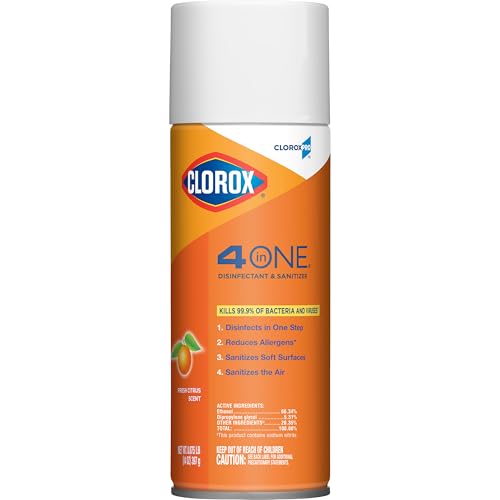
CloroxPro 4-in-One Disinfectant Spray
What We Like
- EPA-registered to sanitize soft surfaces in 30 seconds
- Reduces common allergens like pet dander and dust mites
- Sanitizes air against viruses, including SARS-CoV-2
- Designed for commercial-grade use in high-traffic facilities
Trade-offs
- Hard surface disinfection requires a full 5 minutes
- No specific mention of bed bug or lice elimination in its claims
An EPA registration to sanitize soft surfaces like mattresses in 30 seconds makes this a serious option for anyone needing a fast, verified clean. It’s built for the demands of a daycare or hotel, which translates to a reliable, heavy-duty formula for home use. The added benefit of reducing allergens and sanitizing the air addresses a broader range of concerns than just surface germs, suiting those who want a comprehensive environmental spray.
You must be patient on hard surfaces, where you’ll need the full five minutes for disinfection. As a general-purpose disinfectant, this wait time may be less suited for quick kitchen wipe-downs compared to sprays with shorter hard-surface kill times. For targeting specific pests like bed bugs or lice, the other-products list includes sprays that list those pests directly.
Product photos
OdoBan Disinfectant and Odor Eliminator

What We Like
- Two large, ready-to-use bottles provide backup supply.
- Cleans, disinfects, and eliminates odors in one formula.
- Multi-surface use extends from bedding to floors and walls.
- Can double as an air freshener or fabric refresher.
Trade-offs
- At 4.0 pounds for two bottles, it's heavier than single-can options.
- Formula is for non-porous surfaces, not a specialized mite or bug killer.
- Requires spraying 6-8 inches away and cleaning with a separate cloth.
This OdoBan set includes two 32-ounce spray bottles, a format that provides a backup supply for continuous use. The ready-to-use formula is intended for multi-surface cleaning and disinfecting, including bedding, which suits a maintenance routine focused on sanitation and odor elimination. Its eucalyptus scent and directions for use on upholstery, carpets, and household surfaces support a broad, general-purpose cleaning approach.
As a generalist disinfectant and odor eliminator, OdoBan lacks the specific pest-control claims of dedicated products. The set’s total packaged weight is 4.0 pounds, which is more than the 0.9-pound CloroxPro 4-in-One Disinfectant Spray can. This product is designed for sanitizing and freshening surfaces, not for targeted treatment of infestations.
Product photos
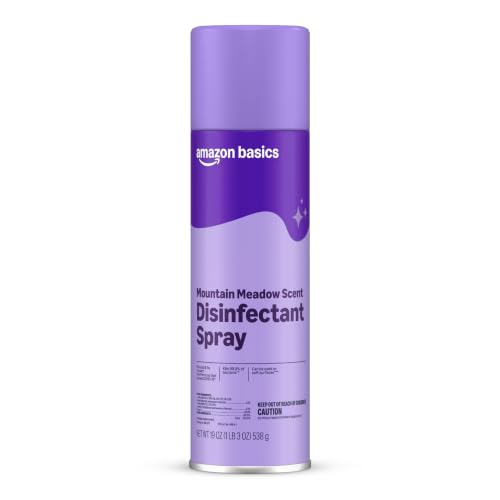
Amazon Basics Disinfectant Spray
What We Like
- Kills cold and flu viruses on hard surfaces
- Explicitly safe for use on mattresses
- Large 19-ounce canister provides extended coverage
- Acts as a preventative for mold and mildew
Trade-offs
- Bacteria kill claim is for hard, nonporous surfaces only
- No listed efficacy against bed bugs, lice, or dust mites
- Scented formula may not suit sensitive sleepers
A 19-ounce can of disinfectant that explicitly lists mattresses as a suitable target makes this a straightforward, budget-friendly option for general sanitizing. It kills a broad spectrum of bacteria in twenty seconds and is also effective against cold and flu viruses. This suits someone looking for a simple, multi-surface spray for routine freshening up rather than targeted pest elimination. The inclusion of mold and mildew prevention adds a useful secondary function for overall home care.
The Amazon Basics spray sanitizes soft surfaces, but its 99.9% bacteria kill claim is specifically for hard, nonporous ones. It also has no stated action against bed bugs or dust mites, the primary targets of a dedicated pest control spray. This makes it a general disinfectant rather than a specialized treatment for those particular pests.
Product photos
Allersearch ADMS Anti-Allergen Spray

What We Like
- Neutralizes a wide range of common household allergens
- High coverage per bottle for large or multiple items
- Versatile use on fabrics, hard surfaces, and vehicle interiors
- Non-staining formula for light-colored materials
Trade-offs
- Requires reapplication every month for optimal effect
- Mandatory spot testing adds a step before full use
A bottle that treats about 600 square feet makes this spray a logical choice for someone needing to cover a mattress, its surrounding carpet, and upholstered furniture in one go. It suits a household focused on allergen control, as its formulation specifically targets the proteins in dust mite debris and pet dander rather than just killing microbes. The non-staining claim means you can use it on a light-colored mattress cover without holding your breath.
The Allersearch ADMS Anti-Allergen Spray requires reapplication every 30 days for optimum benefit, meaning it is part of an ongoing maintenance routine rather than a one-time fix. Its purpose is clearly defined: it neutralizes allergens from dust, mite waste, pet dander, and pollen. This makes it a specialized solution for allergy relief, distinct from general-purpose cleaners or disinfectants.
Product photos
Steri-Fab All-in-One Disinfectant Spray

What We Like
- Kills a broad spectrum of pests and pathogens
- Quick-drying formula allows for faster mattress use
- Non-residual formula leaves no active chemical film
Trade-offs
- 16-ounce capacity is smaller than many commercial options
- No residual action means no ongoing pest prevention
Steri-Fab’s quick-drying, non-residual formula lets you treat a surface like a mattress and return to using it faster than with many wet sprays. This suits someone who needs a single application for a confirmed issue with pests or germs and wants minimal downtime. Its label covers bed bugs, fleas, mites, roaches, viruses, and fungi.
The trade-off for that fast dry time and wide-ranging efficacy is the smaller 16-ounce bottle, which won’t go as far as bulk options like the P&G PROFESSIONAL 7309 for large-scale or repeated treatments. It’s a focused tool for a specific, immediate job rather than a maintenance product. For someone solely focused on allergens without the pest component, a dedicated spray like the Allersearch ADMS might be a more targeted choice.
How We Evaluated Disinfectant Sprays
We compared these products by reviewing their manufacturer specifications, EPA registrations where applicable, and claims about kill rates for specific pathogens or pests. We also consulted expert round-ups and analyzed common themes in verified owner feedback regarding ease of use, scent, and effectiveness. Key criteria included the spectrum of pathogens or pests targeted, suitability for soft fabric surfaces like mattresses, and any special properties like quick drying or allergen neutralization. This research-based approach identifies products with strong, specific claims, but it cannot replicate the controlled conditions of a laboratory test.
What To Look For In Disinfectant Sprays
Choosing the right spray means matching its specific action to your mattress concern. A general disinfectant won’t kill bed bugs, and a pest spray may not sanitize against common viruses.
The key is to identify your primary goal: general sanitizing, mold prevention, pest elimination, or allergen neutralization. Check the label for the specific microbes or pests it claims to target and ensure it’s safe for mattress fabrics.
Target Pathogens or Pests
Disinfectant sprays have specialized formulas. Some are broad-spectrum, claiming to eliminate 99.9% of common bacteria and viruses like influenza. Others are registered pesticides designed specifically for bed bugs, dust mites, or lice. Mold prevention sprays often contain ingredients that inhibit spore growth for weeks. Your first step should be to identify the primary threat you want to address, whether it’s germs from an illness, an active pest infestation, or preventative care. For persistent organic stains, you might need a dedicated stain remover.
Surface Compatibility and Residue
Always verify the product label states it is safe for use on mattresses and upholstered fabrics. Sprays designed for hard, non-porous surfaces may not be effective or safe on soft materials. A desirable feature is a “no residue” claim, which means the spray dries without leaving an active chemical film that could feel sticky or cause skin irritation. Some formulas are colorless and odorless, which is a significant advantage for allergy sufferers or sensitive sleepers. A quick-drying formula is also convenient, allowing you to remake the bed sooner.
Application and Coverage
Consider how the product is used and how much one container covers. Some sprays require you to saturate the surface until damp, while others are designed for a light mist. Application distance can matter, some direct you to spray from 6-8 inches away.
Check the container size (often listed in ounces) against the square footage of your mattress to estimate if one can is sufficient. For larger mattresses or whole-home treatments, a bulk pack or concentrate may offer better value, though storage becomes a factor. For comprehensive cleaning, many people pair a disinfectant spray with a full mattress cleaning guide.
- Check the label for mandatory “spot test” instructions on an inconspicuous area first.
- Ensure you understand the required contact time, how long the surface must remain wet for the product to work.
- Note if the product requires ventilation during or after use.
- Verify if the formula is safe for use around children and pets if that is a concern.
- Consider if you need complementary tools, like a vacuum with an upholstery attachment for pre-cleaning.
Always follow the manufacturer’s instructions precisely for safety and effectiveness.
Disinfectant Sprays For Mattresses Compared
The table below summarizes key features of our top picks to help you compare their primary functions at a glance.
| Product | Key Targets/Claims | Scent | Size/Pack |
|---|---|---|---|
| Lysol Fabric Disinfectant Spray | Viruses & bacteria: 99.9% | Lavender | 15 oz, 3 pack |
| P&G PROFESSIONAL 7309 Disinfectant Sprays | Kills bacteria: 99.9% Staphylococcus aureus | Light, fresh | Six 32 oz bottles |
| RID Home Lice and Bedbug Spray | Lice, bedbugs, dust mites | N/A | 5 ounce |
| Premo Guard Bed Bug Killer Spray | Bed bugs & dust mites | Scent-free | 24 oz |
| The Ecology Works Disinfectant Sprays | Dust mites | N/A | N/A |
| CloroxPro 4-in-One Disinfectant Spray | Reduces allergens: Dander, dust mites | Citrus | 14 oz can |
| OdoBan Disinfectant and Odor Eliminator | N/A | Original Eucalyptus | 32 ounces each |
| Amazon Basics Disinfectant Spray | Kills bacteria: 99.9% in 20 seconds | Mountain Meadow | 19 oz canister |
| Allersearch ADMS Anti-Allergen Spray | Target allergens: Dust, mite waste, dander | N/A | N/A |
| Steri-Fab All-in-One Disinfectant Spray | Bed bugs, fleas, mites, viruses | N/A | 16 ounces |
Frequently Asked Questions
Can I spray my mattress with disinfectant spray?
Yes, but only use sprays explicitly labeled as safe for mattresses and soft surfaces. Hard-surface disinfectants may not work correctly on fabric and could damage the materials or leave harmful residues. Always perform a spot test in an inconspicuous area first and follow all label instructions for application and drying time.
What is the best way to sanitize a used mattress?
Start by thoroughly vacuuming the mattress with an upholstery attachment to remove dust, dead skin, and allergens. Then, apply a disinfectant spray approved for soft surfaces, ensuring you cover the entire area and allow the recommended contact time for the sanitizing agents to work. For deeper sanitization without chemicals, a steam cleaner can be effective, but you must avoid over-wetting the mattress.
How to disinfect and deodorize a mattress?
Disinfecting and deodorizing are often combined in one product. Use a fabric disinfectant spray that specifically mentions eliminating odor-causing bacteria. After spraying, allow the mattress to dry completely in a well-ventilated room. For stubborn odors, a dedicated mattress deodorizer may be necessary. Sunlight exposure can also help neutralize odors naturally.
What spray can I use to get rid of odor from my mattress?
Look for a disinfectant spray that targets odor-causing bacteria, not just perfumes that mask the smell. Lysol Fabric Disinfectant Spray and OdoBan Disinfectant and Odor Eliminator are examples that clean and deodorize. For organic or pet-related odors, an enzyme cleaner designed to break down the source of the smell is often more effective.
Should I use a mattress protector after cleaning?
Yes, using a high-quality mattress protector after cleaning is highly recommended. A waterproof protector creates a barrier against future spills, stains, sweat, and allergens, making your mattress easier to maintain and extending its life. It simplifies future cleanings, as you can often just wash the protector.
The Bottom Line
For most people seeking a reliable, general-purpose sanitizer, Lysol Fabric Disinfectant Spray is the best overall choice. It tackles a broad range of germs and odors on fabrics without leaving a residue. If your main concern is preventing mold in a damp environment, choose the P&G PROFESSIONAL spray; for an active bed bug problem, turn directly to RID or Premo Guard. Ultimately, the single most important factor is matching the spray’s proven capabilities to your specific mattress concern.
