5 Best Smart Pillows For Sleep Improvement in 2026
This post contains affiliate links. As an Amazon Associate, we earn from qualifying purchases.
Our research identified the NoctIQ Smart Anti Snoring Pillow as the best overall for its automated, clinical approach to snoring relief. The GEECO Smart Air Traction Cervical Pillow wins for neck pain, while the Hopihe Sunrise Alarm Clock Pillow is best for a gentle, light-based wake-up.
Smart pillows move beyond static support to actively improve sleep through technology. They address specific issues like snoring, pain, and harsh awakenings with sensors, air systems, and app integration. This guide is based on specifications, manufacturer data, and patterns in expert reviews and owner feedback to help you match a smart solution to your sleep goals.
Top 5 Smart Pillows For Sleep Improvement in the Market
Certain content that appears on this site comes from Amazon. This content is provided "as is" and is subject to change or removal at any time.
The Best Smart Pillows For Sleep Improvement, Reviewed
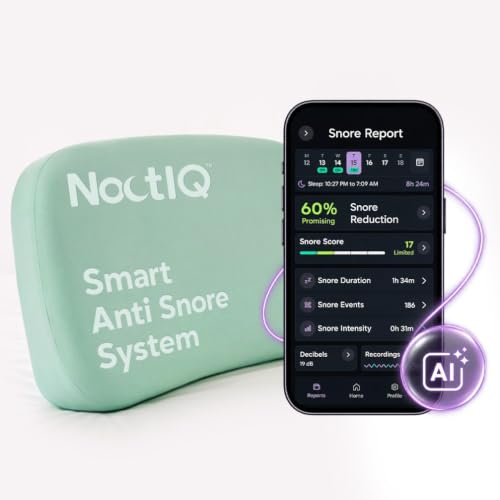
NoctIQ Smart Anti Snoring Pillow
What We Like
- AI gently repositions head to stop snoring
- Non-invasive alternative to mouth guards
- One-time purchase, HSA/FSA eligible
- App provides tracking without a fee
Trade-offs
- Requires phone app for full functionality
- At 5.5 lb, it is heavier than static pillows
- Effectiveness based on snore event detection
The NoctIQ pillow is designed to reduce snoring events by 50%, which the manufacturer calculates as a 60% reduction in total snoring time. This means it aims to make the night quieter for a sleeping partner. It uses a non-invasive approach, avoiding mouth guards or tape by gently repositioning the sleeper’s head with its fourth-generation technology. As a one-time purchase that may be eligible for tax-free reimbursement, it presents a practical alternative to recurring expenses on other snore aids.
Using this pillow means relying on its technology, including a companion app for tracking and adjustments, and its weight of 5.5 pounds gives it a substantial feel. For neck pain relief specifically, the GEECO Smart Air Traction Cervical Pillow is listed as an alternative product designed for that purpose.
Product photos
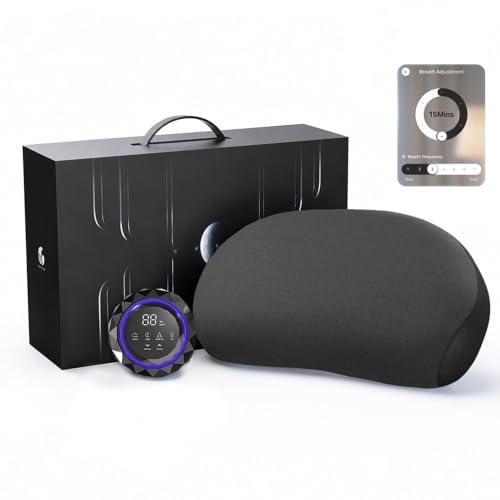
GEECO Smart Air Traction Cervical Pillow
What We Like
- AI adapts traction and height in real-time
- Three ergonomic zones for back and side sleepers
- Triple-layer memory foam with removable cover
- App and voice control with no subscription
Trade-offs
- At 25.2 inches long, it overhangs narrower pillowcases
- Requires app and power for full smart functionality
- Dual-airbag system adds complexity over a standard pillow
GEECO’s smart pillow centers on an AI-powered airbag system designed to provide therapeutic cervical traction. This clinically-inspired approach aims to stretch neck muscles and relieve vertebral pressure overnight, targeting the root of discomfort for many users. Its three ergonomic zones and adjustable height accommodate both back and side sleepers seeking proper spinal alignment, while the integrated sleep tracker monitors patterns through a dedicated app.
Owning this pillow involves managing technology, not just fluffing a standard cushion. Full functionality requires charging and using the companion app for control, a different routine than with passive memory foam. Compared to other smart pillows focused on different functions, such as anti-snoring or integrated alarms, the GEECO model concentrates on cervical support and alignment as its primary method for addressing neck pain and related snoring.
Product photos
Hopihe Sunrise Alarm Clock Pillow

What We Like
- Simulated sunrise alarm gently wakes with light and sound
- Eight ambient sound options and Bluetooth for immersive audio
- App-controlled meditation programs with four light modes
- Memory foam construction supports neck and head
Trade-offs
- Requires constant power outlet and Wi-Fi connection to function
- App setup and Bluetooth are mandatory for full feature use
A simulated sunrise that gradually brightens over five minutes is the core feature for anyone who dreads a jarring alarm. The Hopihe pillow combines that gentle wake-up light with a library of eight ambient sounds and Bluetooth streaming. All of this is controlled from a phone app, making it a dedicated bedside device for building a consistent wind-down and wake-up routine. It suits someone who wants their pillow to be a fixed, plugged-in hub for sleep therapy, not just a place to rest their head.
The trade-off is that it’s an appliance first and a pillow second. It must stay plugged in, and the app is necessary, which adds complexity compared to a simpler sound machine like the Qivine Bluetooth Bone Conduction Pillow. The memory foam provides decent support, but the smart features are the main event. If your primary goal is snore interruption or detailed sleep tracking, you’d look to dedicated options like the NoctIQ or GEECO pillows instead.
Product photos
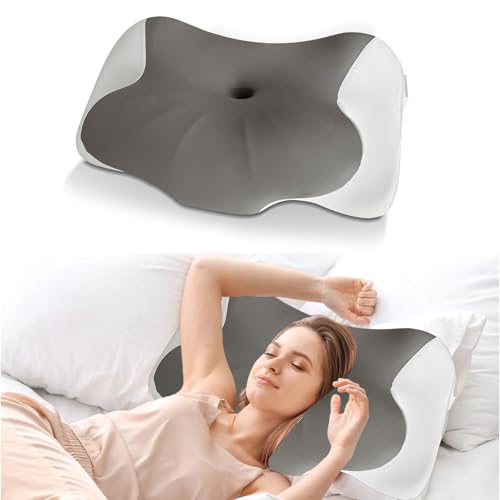
Qivine Bluetooth Bone Conduction Pillow
What We Like
- Private audio through bone conduction speakers
- App-controlled music, white noise, and sleep tracking
- Ergonomic butterfly shape supports neck alignment
- White noise library masks external disturbances
Trade-offs
- Butterfly shape may not suit all sleeping positions
- Requires a connected smartphone for full app functionality
Advanced bone conduction technology immerses you in personalized audio through the pillow itself, which means you can enjoy music or ambient sounds without disturbing a partner. This creates a private listening space for sleep. The connected app lets you select from 32 types of white noise and can record and analyze sleep data, offering suggestions for improvement.
The pillow’s smart features concentrate on audio, unlike other smart pillows designed for physical intervention. You receive a dedicated sound environment within a supportive, butterfly-shaped memory foam form, excellent for relaxation and noise masking.
Product photos
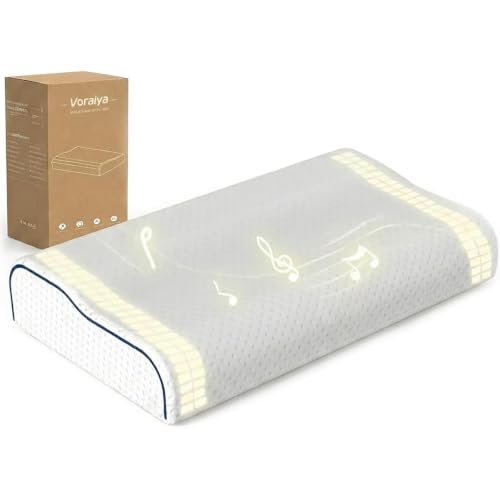
Voraiya Sunrise Alarm Cervical Pillow
What We Like
- Gentle sunrise alarm avoids jarring sounds
- App offers deep customization of sleep environment
- Ergonomic memory foam provides targeted cervical support
- Bluetooth and white noise support varied sleep routines
Trade-offs
- Lacks integrated sleep tracking like the GEECO model
- No active anti-snoring features such as the NoctIQ pillow
A 30-minute sunrise simulation built into the pillow is the defining feature, creating a wake-up process that feels more natural than an audible alarm. This makes the Voraiya ideal for anyone whose mornings are routinely derailed by a jolt of anxiety from a buzzer. It pairs that gentle awakening with a highly customizable app for controlling light and sound, effectively letting you design a pre-sleep wind-down or a morning routine without ever leaving the bed.
The trade-off is that it focuses purely on environment and comfort, not on correcting sleep issues. It won’t track your sleep phases like the GEECO Smart Air Traction Cervical Pillow, nor will it nudge your head to stop snoring like the NoctIQ. You’re getting a premium, adjustable memory foam pillow that happens to be a sophisticated sunrise lamp and sound machine, not a diagnostic tool. For someone who simply wants a more serene bookend to their night, that’s precisely the point.
Product photos
How We Evaluated Smart Pillows For Sleep Improvement
Our evaluation focused on manufacturer specifications, clinical claims, and expert round-ups to understand each product’s intended function and technological approach. We analyzed patterns in owner feedback across retail platforms to gauge real-world performance and common user experiences. This research-based method prioritizes clear, verifiable information over anecdotal claims.
We judged products on core criteria. These include the primary smart function’s effectiveness, such as snore detection or traction adjustment. We also considered the quality of its physical support, like ergonomic design and materials, and the convenience of its required ecosystem, covering app dependency and power needs. These factors determine whether the technology integrates smoothly into your nightly routine.
A key limit of this approach is that we cannot verify clinical efficacy claims firsthand. We rely on published data and user reports. For this reason, we strongly suggest consulting a medical professional for health-related sleep issues, as a smart pillow is a supportive device, not a medical cure. Our comprehensive pillow buying guide covers broader support needs.
What To Look For In Smart Pillows For Sleep Improvement
Smart pillows are defined by their active technology, but their success depends on how well that tech integrates with fundamental comfort and your sleep habits.
Prioritize your primary sleep goal, snoring, neck pain, or wake-up quality, and ensure the pillow’s core smart function addresses it directly. Then, evaluate the required setup, like constant power or a paired smartphone, to confirm it fits your bedroom environment and tech comfort level.
Primary Smart Function
This is the core reason to choose a smart pillow. An anti-snore model uses AI and air chambers to gently reposition your head when it detects snoring vibrations. A pillow for neck pain may employ real-time air traction to adjust cervical support. Models focused on waking use integrated sunrise lights and ambient sounds. Your choice should directly target your most disruptive sleep issue. For those exploring other high-tech sleep solutions, our guide to smart beds offers a broader look at integrated systems.
Physical Support & Materials
Even the smartest pillow must be comfortable to lie on. Look for ergonomic shapes designed for spinal alignment, such as cervical contours or butterfly wings. Materials like memory foam or layered fills provide the passive support that works alongside the active tech. A removable, washable cover is essential for hygiene, especially with electronics inside. The pillow’s size and weight also matter; some smart models are heavier or longer than standard pillows, which can affect how they fit on your bed and in your pillowcases.
Tech Ecosystem & Setup
Every smart pillow requires some supporting infrastructure. Most need a constant power outlet and a Wi-Fi or Bluetooth connection to function fully. An accompanying smartphone app is typically mandatory for setup, control, and data tracking.
Consider your comfort with this level of tech integration. Simpler models might offer basic voice control or manual buttons, while advanced ones rely entirely on an app. The need for a charged smartphone or a nearby power outlet can be an important factor.
For sleepers with specific medical concerns, researching pillows for sleep apnea can provide additional, specialized context.
- Check if the pillow requires a phone to be nearby and charged every night.
- Verify the power cord length and where the nearest outlet is relative to your bed.
- Look for app subscription fees; the best models offer tracking without ongoing costs.
- Ensure the pillow’s dimensions fit your bed and preferred pillowcases.
- Read the care instructions to understand how to clean around the electronic components.
Choose a pillow whose smart feature solves a problem you actually have, not one that adds complexity for a function you won’t use.
Smart Pillows For Sleep Improvement Compared
The table below compares the key features of our top picks at a glance, highlighting their primary smart functions and important considerations.
| Product | Weight | Core Tech / Primary Feature | App Requirement / Control |
|---|---|---|---|
| NoctIQ Smart Anti Snoring Pillow | 5.5 pounds | Nitetronic 4th gen | Yes |
| GEECO Smart Air Traction Cervical Pillow | 4.9 pounds | AI-powered dual-airbag traction | App, voice, physical buttons |
| Hopihe Sunrise Alarm Clock Pillow | N/A | Sunset/Sunrise Simulation | iOS/Android app |
| Qivine Bluetooth Bone Conduction Pillow | 3.2 Pounds | Bone conduction Bluetooth | App |
| Voraiya Sunrise Alarm Cervical Pillow | N/A | Sunrise simulation | App |
Frequently Asked Questions
What is the best smart pillow to stop snoring?
Based on our research, the NoctIQ Smart Anti Snoring Pillow is designed specifically for this purpose. It uses AI to detect snoring and gently inflates air chambers to reposition your head, offering a non-invasive alternative to mouth guards. Owner feedback suggests it can contribute to quieter nights, though individual results vary and it requires app connectivity.
Can a smart pillow help with neck pain?
Yes, certain smart pillows are engineered for neck pain relief. The GEECO Smart Air Traction Cervical Pillow, for example, uses AI to adjust air traction and pillow height in real-time, aiming to improve spinal alignment. It combines this with ergonomic memory foam zones. While not a substitute for medical advice, such technology-driven support can be a valuable part of a therapeutic sleep setup. For non-smart options, our review of adjustable pillows explores manual customization.
Do I need to use an app with a smart pillow?
Almost all smart pillows require a companion smartphone app for initial setup and to access their full feature set, such as detailed sleep tracking, customizing alarm settings, or adjusting support levels. Some basic functions might work without the app, but to get the intended benefit, you should be comfortable with this requirement.
What’s the difference between a sunrise alarm pillow and a regular smart pillow?
A sunrise alarm pillow, like the Hopihe or Voraiya models, has integrated LED lights that simulate a gradual sunrise to wake you gently, often paired with soothing sounds. A regular smart pillow may focus on other functions like snore intervention, neck support, or private audio without including a dedicated wake-up light system. Your choice depends on whether improving your morning routine is the primary goal.
Are smart pillows good for side sleepers?
Many smart pillows are designed with ergonomics in mind and can suit side sleepers, but it’s crucial to check the specific shape and support. The GEECO model, for instance, has zones for back and side sleeping. However, some shapes, like the butterfly design of the Qivine pillow, may not accommodate all sleeping positions comfortably. Always review the manufacturer’s recommended sleeping positions. For posture-focused support, our look at pillows for posture provides further insights.
The Bottom Line
The NoctIQ Smart Anti Snoring Pillow is our best overall pick for its targeted, automated approach to reducing snoring, making it ideal for snorers and their partners seeking shared-bed harmony without invasive gear.
If your main concern is neck pain, the therapeutic air traction of the GEECO Smart Air Traction Cervical Pillow is worth the premium. Budget-conscious buyers wanting private audio should consider the Qivine Bluetooth Bone Conduction Pillow.
Ultimately, the most important factor is honestly matching the pillow’s primary smart function to the one sleep issue you most want to solve, ensuring the technology works for you, not the other way around.
