
Duvet vs Comforter: Key Differences Explained
This post contains affiliate links. As an Amazon Associate, we earn from qualifying purchases.
A duvet is an insert with a removable cover, while a comforter is a single-piece quilted blanket, duvets offer more style flexibility and easier washing, while comforters provide simpler setup and often lower upfront cost.
When you compare a duvet vs comforter, both trap heat, but their construction changes how you use them. That difference lives in the details: the way they handle laundry day, seasonal changes, and years of nightly use.
Here’s what follows: the construction breakdown that decides maintenance, three temperature-control tricks competitors miss, and why your washer’s drum size matters more than you think.
Key Takeaways
- Duvet covers wash weekly according to Tom’s Guide, while Martha Stewart suggests washing them every two weeks; comforters need less frequent cleaning (with a top sheet barrier).
- Standard duvet sizes match mattress dimensions (64″x90″ Twin to 108″x96″ California King) and cover the mattress surface with some overhang, while comforters often run larger for more overhang.
- 400–600 fill power is cited by Home Depot for year-round down duvets, while tog ratings (4.5–15+) are another common warmth measurement.
- Baffle-box stitching is designed to keep fill evenly distributed, which can help prevent cold spots compared to sewn-through quilting.
- Corner ties help stop the insert from shifting inside the cover.
Duvet vs Comforter Construction
A duvet is two pieces: an insert (the warmth layer) and a removable cover (the style and protection layer). The insert slides inside like a pillow into a pillowcase, secured with ties, buttons, or zippers. Comforters are one-piece, the decorative fabric and insulation are permanently quilted together.
Technical snippet: Duvet inserts use simple cotton or polyester shells (unlike decorative comforter fabrics) because they’re designed to live inside covers. Standard sizes like Queen (90″x90″) match mattress dimensions, while comforters are often longer for overhang.
The Spruce notes duvets originated in Europe with down fills, while comforters are the American single-piece equivalent. That heritage still shows, most luxury hotels use duvets for their easy laundering, while college dorm sets bundle comforters with sheets.
Warmth and Seasonal Use
Fill type and construction determine warmth more than the duvet vs comforter label. Down alternatives mimic down’s loft at lower cost, while wool regulates temperature across seasons. The real differentiator is adjustability:
| Factor | Duvet | Comforter |
|---|---|---|
| Seasonal swap | Change insert weight | Add/remove blankets |
| Summer use | Light insert or cover alone | Often too warm |
| Winter use | Heavy insert (13.5+ tog) | May need extra blanket |
| Fill options | Down, down alternative, wool | Primarily polyester, down blends |
According to Tom’s Guide, hot sleepers do better with a low-tog (4.5-7.5) duvet insert and breathable linen cover, while Sleep Junkie notes that comforters are typically thicker than duvets. I learned this the hard way testing a 10.5-tog all-season model in a non-air-conditioned bedroom, by midnight, the cover was damp and the insert clumped.
For seasonal flexibility, buy one mid-weight duvet insert and layer a lightweight blanket underneath in winter. That beats cycling between separate summer and winter comforters.
Maintenance and Cleaning
Duvet covers protect inserts from body oils and dirt, slipping off for weekly washing. Comforters lack that barrier, unless you use a top sheet religiously, they’ll need full washes every few months.
Common mistake: Overstuffing home washers. A King comforter often needs a large-capacity or commercial washing machine to avoid unbalanced spins. Front-loaders handle bulky items better than top-loaders.
Here’s the sensory reality: a duvet cover fresh from the dryer snaps crisply like a tablecloth, while a comforter develops a faint sour smell around the third month without a top sheet.
- Duvet care: Wash covers weekly, inserts 2-3 times yearly
- Comforter care: Dry clean or use oversized washing machines
- Spot treatment: For both, dab stains with mild detergent before washing
Smoke odor lingers worst in comforters and down duvet inserts, the loft traps particles. After a neighbor’s fire, I hung affected bedding outside for 48 hours before washing with baking soda. The cover came clean; the insert took three cycles.
Style and Longevity
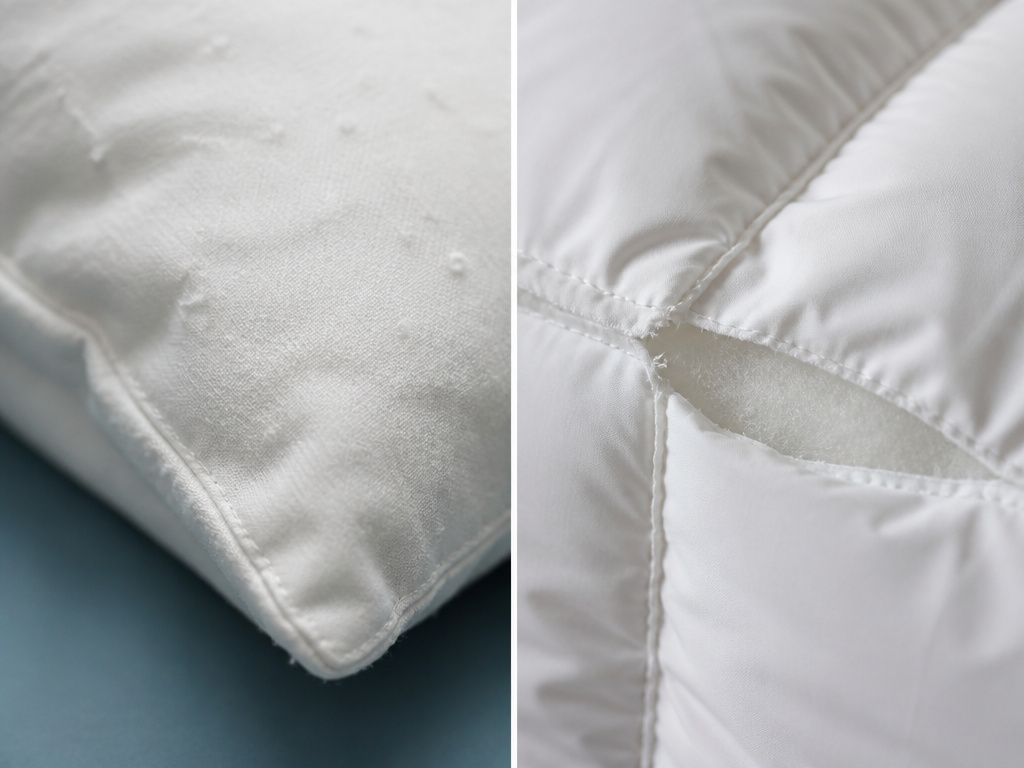
Duvet covers let you change your bedroom’s look for the price of a new cover, which Sleep Junkie notes can retail for around $100, while a comforter can range from $30-$200. But that flexibility has a catch: cheap covers can wear at the corners first and may pill over time.
Best materials by need:
- Durability: Cotton percale with a thread count in the 180-300 range, as recommended by Sleep Junkie.
- Softness: Brushed cotton or linen
- Temperature control: Bamboo or Tencel
Comforters show wear differently. Quilting threads break first, creating cold spots where fill shifts. Baffle-box designs last longer than sewn-through stitching by keeping fill evenly distributed.
How to Put on a Duvet Cover
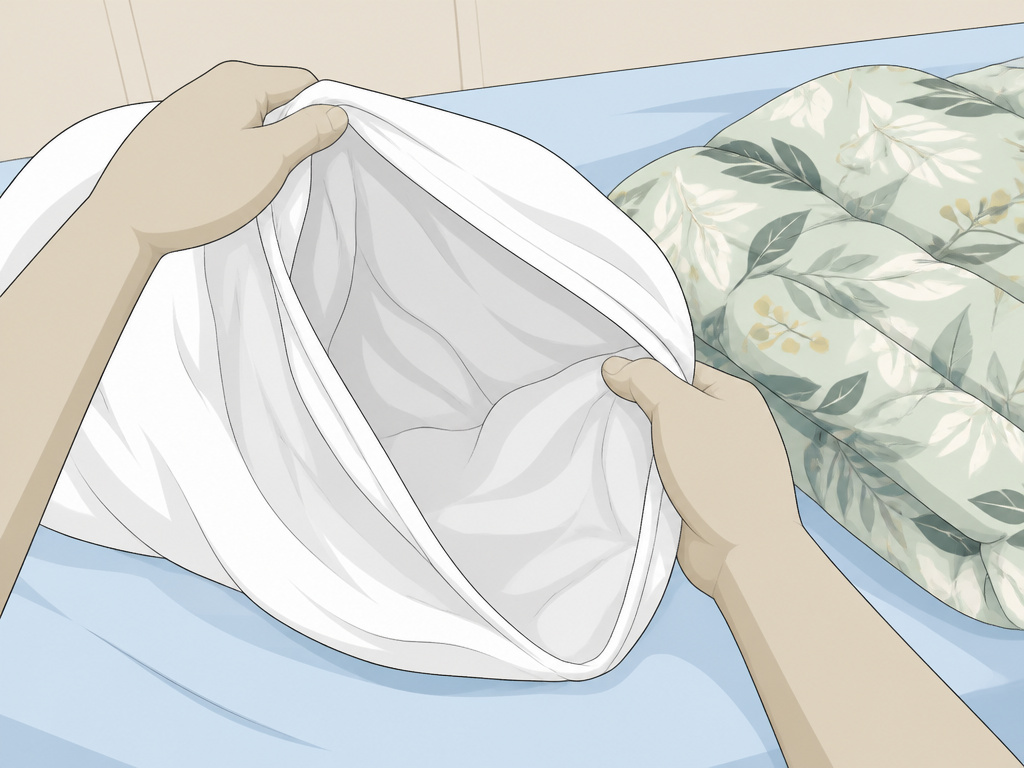
Start by turning the duvet cover inside out and laying it flat on your bed. Place the duvet insert on top, aligning the corners. Reach inside the cover to grab the top two corners of the insert and secure them to the cover’s ties or buttons if present. Then, roll the duvet and cover together from the top down, like a burrito. Turn the cover right-side out by pulling it over the rolled bundle, then unroll and shake it out to distribute the insert evenly. For a snug fit, remember that duvet covers may run slightly smaller than comforters. This method makes handling a large insert much easier.
Do You Need a Top Sheet with a Duvet?
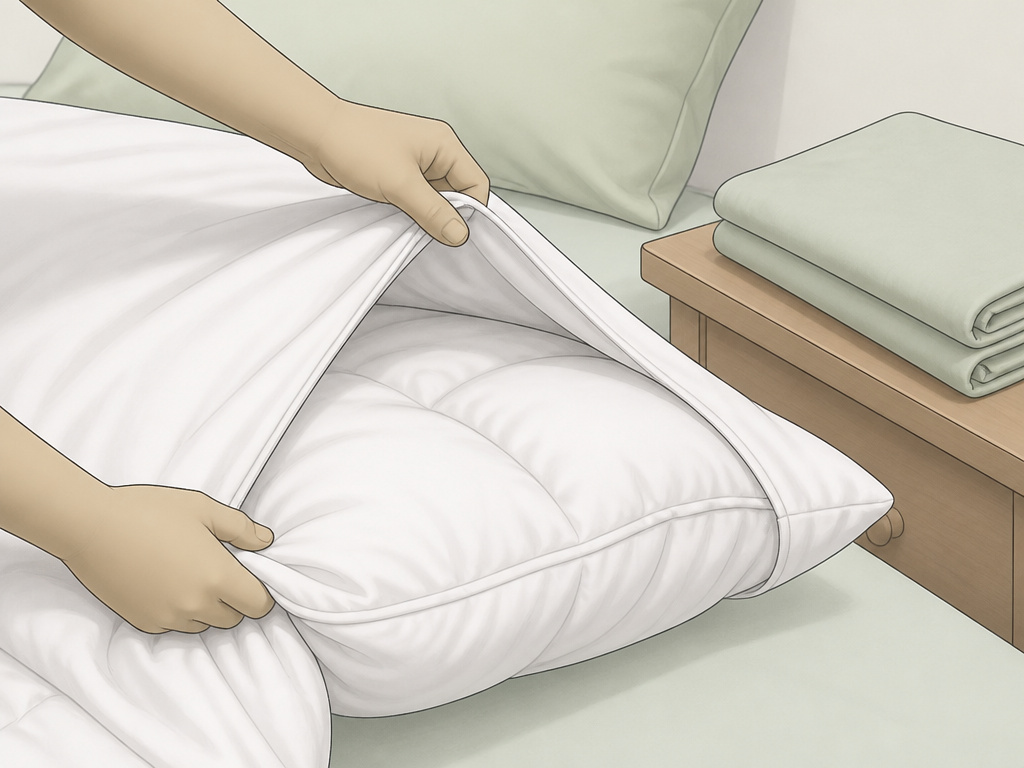
A duvet system is often used without a top sheet. The duvet cover acts as a protective, washable barrier between you and the insert. Since duvet covers are typically machine washable, you can remove and clean them regularly for hygiene, reducing the need for an extra layer. To reduce the need for frequent washing of a comforter, most owners use a top sheet as a sleep barrier. Sleepers who prefer to forgo a flat sheet often choose a duvet for this simpler, two-layer approach.
Are Duvets and Comforters Hypoallergenic?
For allergy concerns, look for fills and certifications designed to minimize irritants. Down alternative comforters often use polyester fill, which can be a hypoallergenic option. Duvet inserts may specify hypoallergenic certifications. The key to managing allergens often lies in maintenance. Using a duvet cover creates a barrier that can be washed frequently, improving sleep hygiene. The main thing that actually creates allergens is infrequent washing or not using a duvet cover to wash more easily. For any bedding, regular cleaning of the protective layer is the most practical step to reduce allergens.
Frequently Asked Questions
Is it better to have a comforter or a duvet?
Duvets win for easy cleaning and seasonal flexibility; comforters simplify bed-making and often cost less upfront. Hot sleepers prefer duvets with lightweight inserts, while comforters suit those who like consistent bedding layers year-round.
Why a duvet over a comforter?
Duvets offer three advantages: easier washing (just the cover), customizable warmth (swap inserts seasonally), and style changes without replacing the entire piece. They’re also standard in hotels for hygiene reasons.
Do hotels use duvet or comforter?
Hotels overwhelmingly use duvets with white covers for easy laundering between guests. The insert stays protected inside the washable cover, while comforters would require full cleaning after each stay.
What is the purpose of a duvet?
Duvet combines warmth (the insert) with easy maintenance (the removable cover). Unlike a comforter, you can wash the cover weekly and change the insert’s warmth level as seasons change.
Can a comforter be used inside a duvet cover?
Yes, but size matters. Standard comforters run larger than duvet inserts, check that your cover’s dimensions match before attempting this. Some comforters work better as duvet inserts than others based on thickness.
Before You Go
Skip the all-season duvet insert myth, they’re either too hot in summer or too thin in winter. Instead, buy one mid-weight insert (7-10.5 tog) and add a lightweight blanket underneath when needed. That combo handles many climates better than chasing the perfect singular piece.
For comforters, splurge on baffle-box construction. The extra stitching keeps fill from shifting into clumps at the edges, a flaw that kills cheaper sewn-through models within two years. Either way, protect your investment with a washable cover, even on comforters, it extends lifespan dramatically.
