
How Do Electric Blankets Work: Safety, Types & Energy Use
This post contains affiliate links. As an Amazon Associate, we earn from qualifying purchases.
Electric blankets use thin heating wires woven into fabric to generate warmth, drawing between 15-200 watts depending on size and design. Modern blankets have auto shut-off features and must comply with safety standards like AS/NZS 3350.2.17 in Australia or IEC 60335-2-17 internationally.
That warmth comes from resistance: electric current flowing through thin metal or carbon fiber wires encounters resistance, converting electrical energy to heat. The thicker the wire and higher the current, the more heat produced. But that’s just the start of understanding how do electric blankets work.
Here’s what follows: how controllers manage heat without burning you, why underblankets and overblankets have different rules, the real numbers on power use and EMF exposure, and the safety features that separate good blankets from hazards.
Key Takeaways
- In Australia, electric blankets must comply with the AS/NZS 3350.2.17:2000 safety standard. The international IEC 60335-2-17:2022 standard also deals with electric blanket safety.
- Storage recommendations vary: UL Solutions advises storing by rolling, not folding, while Dimplex allows loose folding (or rolling) without sharp bends.
- Always use the electric blanket as an under blanket unless it is specifically designed for use as an over-blanket, as advised by the Metropolitan Fire Service (SA). Note that some sources recommend against using under-blankets on adjustable beds.
- Some models, like certain Dimplex blankets, have a high heat setting of 55°C intended for preheating the bed only.
- Power consumption varies: while some sources cite blankets using around 200 watts, others indicate typical use is between 15 and 115 watts, or 100 watts or less for a single-sided blanket on high.
How Electric Blankets Work
The heating element is the heart. In older blankets, it’s nichrome wire, the same alloy in toasters, woven between fabric layers. Newer models use carbon fiber strands that flex without breaking. Current flows through these elements, heating them through electrical resistance.
“Electric blankets usually use between 15 and 115 watts.” (Wikipedia)
The controller matters as much as the wires in the how do electric blankets work process. Modern units don’t just toggle on/off, they monitor temperature through either:
- A separate sensor wire running parallel to the heating elements
- The resistance change of the heating wire itself (nichrome’s resistance rises predictably with temperature)
You’ll feel this in action. Set a Dimplex to high (55°C), and it runs full power until reaching temperature, then pulses briefly every few minutes to maintain it. On low settings, the controller cycles power to maintain a lower temperature.
Safety Features That Prevent Fires
Common mistake: Leaving blankets on unattended. Even with auto shut-off, manufacturers unanimously say to turn them off before sleep.
Three systems work together to prevent overheating:
- Auto shut-off timers cut power if the blanket is left on for an extended period.
- Thermal fuses permanently disable the blanket if temperatures exceed safe limits
- PTC elements in premium models, these conductive materials automatically reduce current as they heat
The IEC surface heating appliance standard requires all three for certification. In Australia, electric blankets must comply with the AS/NZS 3350.2.17:2000 safety standard. Internationally, the relevant standard is IEC 60335-2-17:2022.
Overblanket vs Underblanket: Key Differences
| Type | Placement | Safety Notes |
|---|---|---|
| Underblanket | Between mattress and sheet | Only type approved for all-night use in AU |
| Overblanket | On top of bedding | Higher burn risk; never tuck in sides |
| Heated throw | Lap or decorative use | Not suitable for sleeping under |
Bottom line: If it wasn’t sold as an overblanket, don’t use it as one. Misusing underblankets, such as using them as overblankets, increases the risk of overheating and burns.
Energy Use and Running Costs
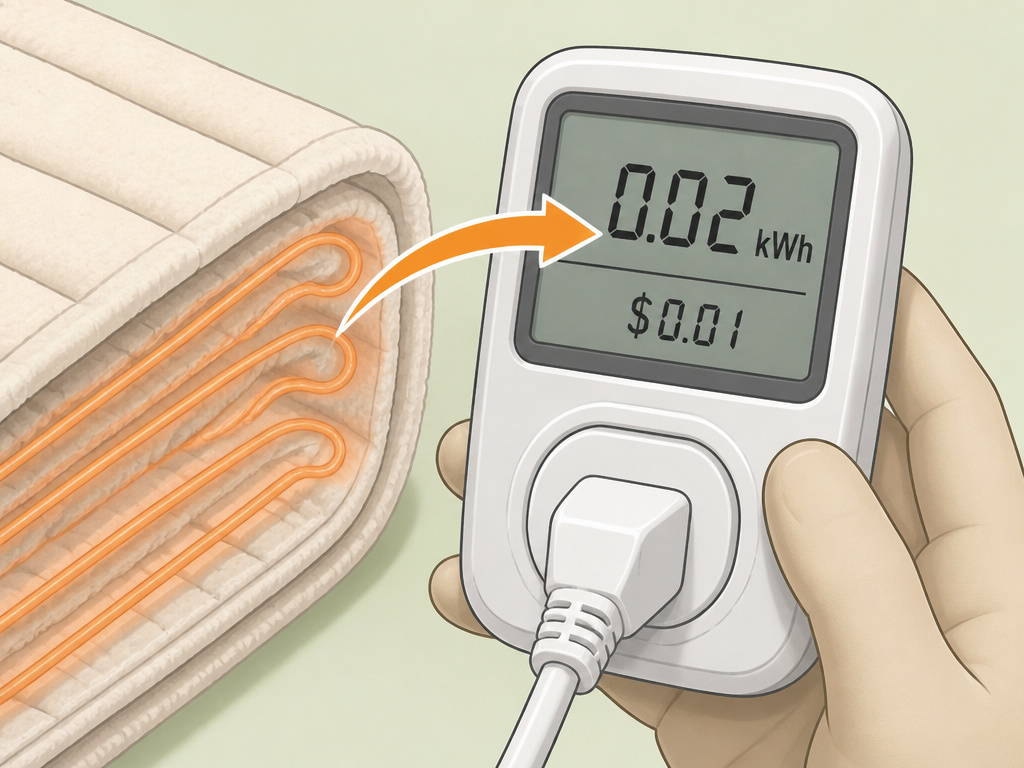
Here’s where numbers surprise people. That queen-size blanket on high?
Power consumption and running costs vary by model and region. Some sources indicate electric blankets typically use between 15 and 115 watts, with operating costs around two cents per hour in many places.
Running an electric blanket for extended periods is generally cheaper than heating an entire room, but exact costs depend on local electricity rates and the blanket’s wattage, a key consideration in the how do electric blankets work question.
Where this goes sideways: Assuming “double-sided” means double consumption. A dual-zone blanket may use less power than two separate single blankets due to staggered heating cycles, but power consumption varies by model.
EMF Exposure: The Measured Facts
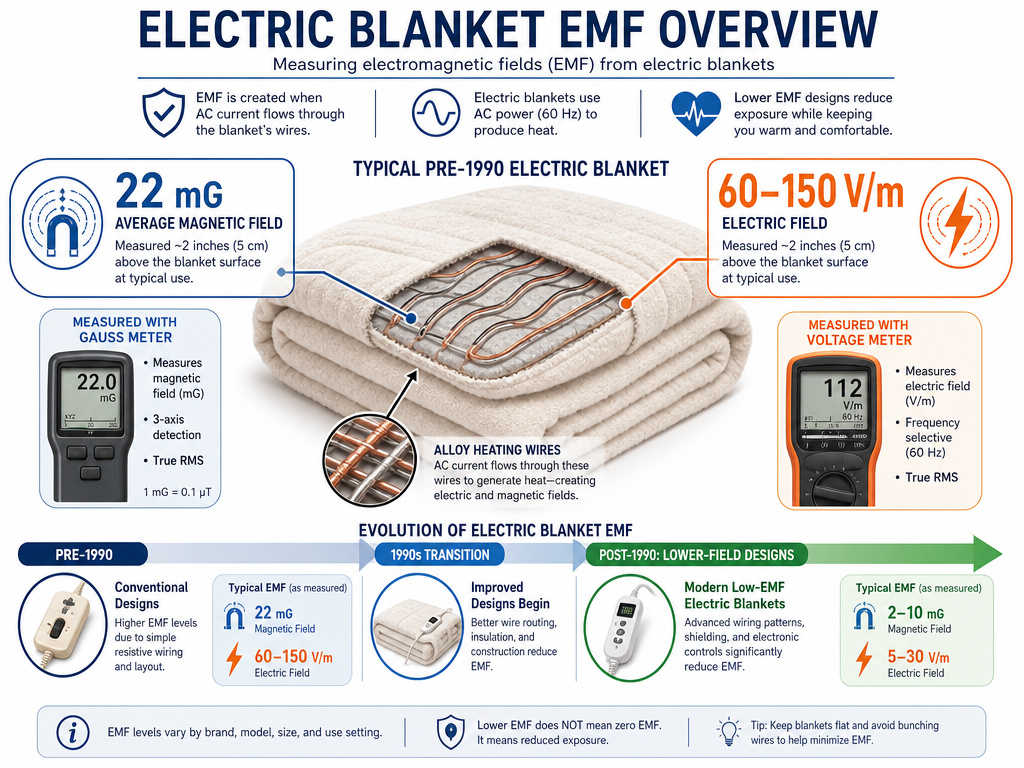
The OSTI electric blanket field report tested pre-1990 blankets, finding:
- 22 mG average magnetic fields during heating cycles
- 60-150 V/m electric fields near alloy heating wires
Starting in Fall 1990, electric blanket manufacturers introduced new designs that produce much smaller magnetic fields.
Storage and Maintenance Conflicts
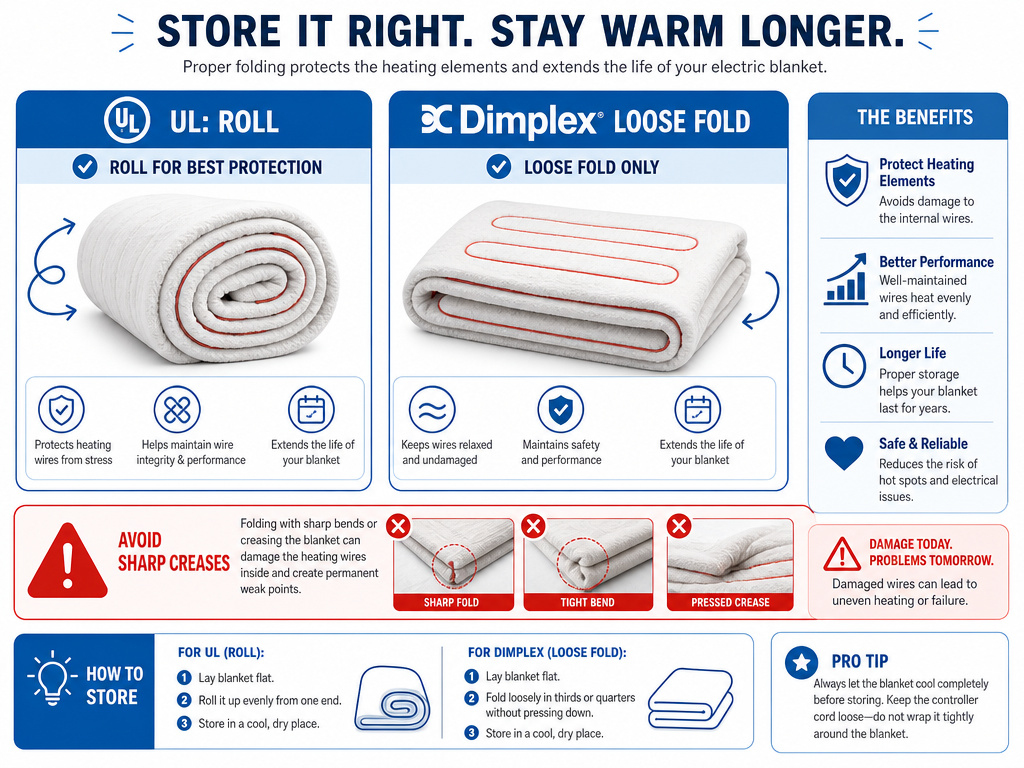
Sources disagree here:
- UL Solutions says “Store by rolling, not folding”
- Dimplex manual allows “loose folding without sharp bends”
Short version: Either method works if you prevent sharp creases in the heating elements.
How much does it cost to run an electric blanket compared to other heaters?
Electric blankets are generally considered a low-cost way to stay warm. They directly heat your body rather than the entire room, which is a more efficient use of energy. The blanket’s power consumption is a key factor. While wattage can vary, typical usage falls within a specific range. This focused heating means you can often keep your home’s central thermostat lower while staying comfortable in bed. For a direct comparison, consider how long and how often you would need to run a space heater to achieve the same personal warmth. The blanket’s operating cost is typically very low per hour of use.
Frequently Asked Questions
Are electric blankets safe for all-night use?
Underblankets certified to safety standards are designed for overnight use when placed correctly. However, recommendations on whether to unplug when getting into bed vary: Electrical Safety First (UK) recommends unplugging, while Dimplex advises switching off and unplugging when not in use.
Can electric blankets be repaired?
No. Per Dimplex and UL guidelines, damaged heating elements or cords require complete replacement. Attempting repairs violates safety certifications.
Why does my blanket shut off after 30 minutes?
Modern blankets cycle power to maintain temperature, not because of a fault. If it stays off for more than ten minutes, the thermal fuse may have tripped, time for replacement.
Are older electric blankets dangerous?
Older blankets (prior to about 2001) may not have a shut-off mechanism. In the United Kingdom in 2011, it was estimated that 5,000 fires per year were caused by faulty electric blankets. Electrical Safety First (UK) recommends replacing your electric blanket every ten years.
Before You Go
One rule most guides skip: If your blanket shows any of these signs, retire it immediately:
- Frayed or hardened wiring
- Discolored fabric patches
- Intermittent heating
- Error codes persisting after reset
The electric blanket troubleshooting guide covers more, but when in doubt, replace. No amount of savings justifies the risk of a decade-old blanket.
