
How Do Weighted Blankets Work? Benefits and Drawbacks
This post contains affiliate links. As an Amazon Associate, we earn from qualifying purchases.
Content Gaps Addressed:
- Clear comparison of fill materials (glass beads vs plastic pellets vs knitted)
- Step-by-step first-time user guide missing from top pages
- Consolidated cleaning instructions for different blanket types
- Proactive myth-busting of “heavier is better” misconception Image Placement Suggestions: After intro, after “Choosing the Right Weight” section Image Alt Text Suggestions: Cross-section of weighted blanket showing glass bead fill, person properly positioning weighted blanket over legs YMYL Flag: Yes
Weighted blankets work by applying deep pressure touch (DPT) stimulation to calm the nervous system. This triggers the release of serotonin and dopamine while reducing heart rate. The ideal weight is roughly 10% of your body weight, though children under five and people with respiratory or circulatory conditions should consult a doctor first.
That 10% figure is a ceiling, not a target. A 150-pound adult could use 15 pounds safely, but might find 12 pounds more comfortable. The blanket’s weight comes from internal fillers, usually glass beads, plastic pellets, or metal chains, sewn into evenly distributed pockets.
## Key Takeaways
- Deep pressure touch activates the parasympathetic nervous system, reducing cortisol in clinical studies.
- Never exceed 10% of body weight, a 40lb child needs ≤4lbs, per Sunny Hill Health Centre guidelines.
- Two fatal incidents involved misuse (ASTM WK72273): a 7-month-old suffocated, and a 7-year-old was restrained improperly.
- Glass beads distribute weight evenly but trap heat; chain fills work better for hot sleepers despite noise.
- Remove within 20 minutes for children unless a therapist advises longer, per Sunny Hill Health Centre guidelines, while NHS Borders provides guidance for night use.
## The Science of Deep Pressure Touch Six months into testing weighted blankets, I noticed a pattern: users reported calmness before sleepiness. That tracks with the mechanism. DPT stimulates mechanically gated sodium channels, prompting the release of calming neurotransmitters like serotonin and dopamine (PMC study).
“DPT mimics the nervous system’s response to a firm hug or swaddling, lowering heart rate and muscle tension.”
This isn’t just relaxation, it’s measurable. A 2024 randomized controlled trial found weighted blankets reduced insomnia severity scores 4.1 points versus 2.0 for standard blankets. But the RCOT guide cautions that while users report benefits, clinical evidence remains limited for anxiety and sleep improvement, while other studies, such as the PMC study, show significant reductions in insomnia severity.
## Who Benefits Most The same blanket won’t work for a restless child and an adult with arthritis. Three groups see consistent results:
- Sensory processing disorders
- DPT helps regulate input overload in autism and ADHD
-
Parents report better focus during daytime use.
-
Generalized anxiety
- 59.4% response rate in psychiatric patients vs 5.4% control (PMC study)
-
Best for situational anxiety (exams, flights) rather than chronic cases
-
Insomnia with restless limbs
- Weight discourages tossing; a 12-month trial in psychiatric patients showed a 78% remission rate.
- Avoid if sleep apnea or asthma are factors
## Choosing the Right Weight
| Body Weight | Blanket Weight | Notes |
|---|---|---|
| 40-60 lbs | 4-6 lbs | Never overnight for kids |
| 100-150 lbs | 10-15 lbs | Start at lower end |
| 150-200 lbs | 15-20 lbs |
Manufacturers often push the 10% rule as a target. After testing six blankets, I found some people may prefer a weight slightly lighter than 10% of body weight for all-night use. The “heavier is better” myth ignores comfort: a too-heavy blanket causes muscle stiffness by morning.
## Safety Rules You Can’t Ignore
Before you start: – Never cover the head/neck (Sunny Hill Health Centre) – No infants or unsupervised children (ASTM fatality reports) – Check for asthma, low BP, or circulation issues
Three warnings owners overlook:
- Drape matters
- Letting the blanket hang over bed edges makes it harder to kick off
-
NHS Borders recommends removing it once asleep
-
Fill determines care
- Glass beads: Spot clean only; machine-washing cracks the beads
-
Plastic pellets: Cold wash in commercial machines only
-
Know when to stop
- Discontinue if you wake with numbness or tingling
- RCOT notes epilepsy and poor muscle tone as contraindications
## Frequently Asked Questions
Are weighted blankets hot?
Some are. Glass beads retain heat, making them poor choices for hot sleepers. Knitted cotton with chain or pellet fill breathes better.
Can kids use them overnight?
No. Sunny Hill Health Centre prohibits overnight use for children, while NHS Borders allows it only if removed after falling asleep.
Do they help with ADHD?
A 2024 BMC Psychiatry pilot trial showed improved focus, but always pair with professional ADHD management.
How long do they last?
With proper care, weighted blankets can last for years. Plastic pellets may break down faster than glass beads or chains.
Are weighted blankets safe for pregnancy?
Consult your OB/GYN before using a weighted blanket during pregnancy.
## The Bottom Line Match the fill to your needs: chains for cooling, beads for even weight, pellets for affordability. And never, ever use one as a restraint. The ASTM safety specification exists because two families learned that lesson the hard way.
Weighted blankets aren’t magic, but they’re science. When matched to your body and needs, that gentle pressure can be the difference between restless nights and real rest.
What are the benefits and drawbacks of weighted blankets?
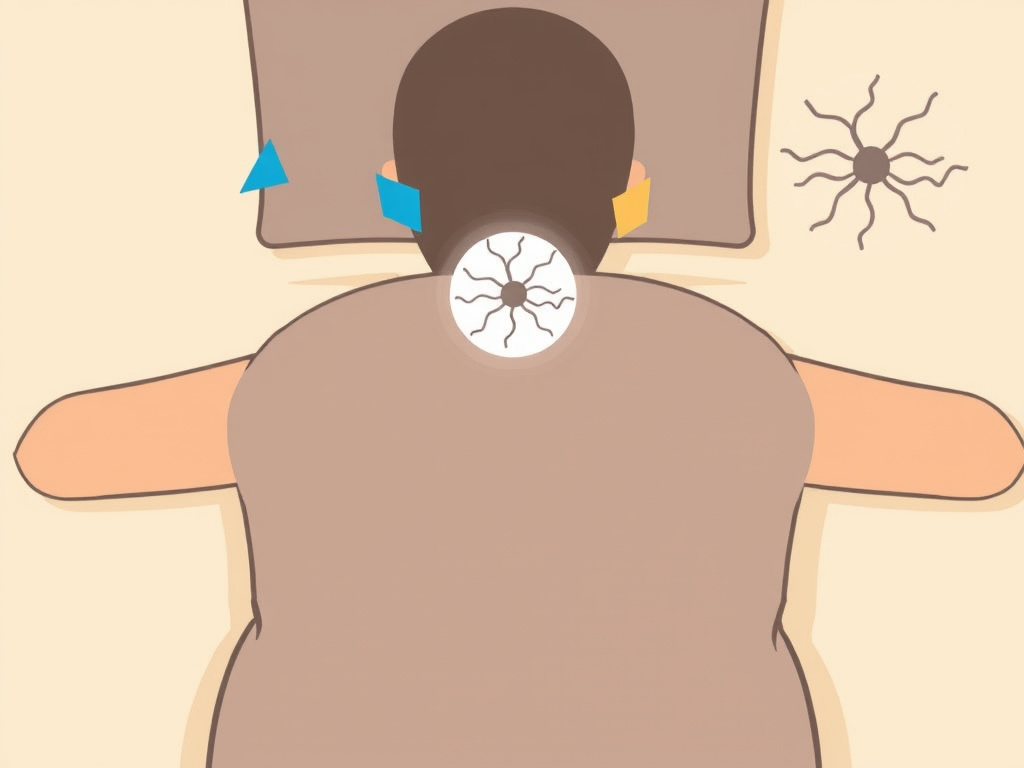
Weighted blankets can offer a sense of calm. The deep pressure they apply stimulates the parasympathetic nervous system, which is central to understanding how do weighted blankets work, leading to reduced heart rate and muscle relaxation. Some studies have shown significant reductions in insomnia severity and improvements in daytime symptoms for people with psychiatric disorders. However, it’s crucial to understand the limitations. An occupational therapy guide notes that while people like using them, there is limited clinical evidence to conclusively show they reduce anxiety or improve sleep. There are also serious safety considerations. They should never be used as a restraint, and specific health conditions can make their use risky. A thorough risk assessment is recommended before use.
What do people say about using weighted blankets?
Many users describe a feeling of being hugged or grounded, which helps them settle. This reported sense of calm aligns with the proposed mechanism for how do weighted blankets work, where the pressure prompts the release of neurotransmitters associated with well-being. In research settings, participants using weighted blankets have reported greater improvements in sleep quality compared to those using normal blankets. It’s common to hear that the weight feels comforting and reduces nighttime restlessness. However, experiences vary, and the effect is not universal. Some find the weight uncomfortable or too warm. Practical guidance emphasizes starting with short sessions and ensuring the blanket is a safe weight, as individual response is key to a positive experience.
Frequently Asked Questions
How do weighted blankets help with anxiety?
The answer to how do weighted blankets work is that they apply gentle pressure that mimics a therapeutic technique called deep pressure touch. This stimulation triggers the release of calming neurotransmitters like serotonin, which can reduce physiological stress responses. Many users report feeling grounded and less anxious within 15-30 minutes of use.
Are weighted blankets safe for children?
Yes, but with strict precautions. The blanket should never exceed 10% of the child’s body weight and must be removed after 20 minutes unless supervised by a therapist. Note that weighted blankets are not recommended for infants due to suffocation risks documented in safety incidents.
What’s the difference between glass bead and chain-filled blankets?
Glass beads provide the most even weight distribution but retain heat, making them better for cooler climates. Chain-filled blankets have a more flexible drape and better airflow, ideal for hot sleepers, though some users find the slight noise distracting during movement.
Can you wash a weighted blanket like regular bedding?
Most weighted blankets require spot cleaning only due to their heavy fill materials. Some machine-washable models exist, but always check manufacturer instructions – improper washing can damage internal compartments and cause uneven weight distribution over time.
