
How to Choose a Comforter: Step-by-Step
This post contains affiliate links. As an Amazon Associate, we earn from qualifying purchases.
To choose a comforter, match three things: your climate (600-700 fill power for warm areas, 700-850 for cold), bed size (twin XL for dorms), and sleep style (baffle-box construction prevents cold spots). A 260-380 thread count shell prevents leaks without being too delicate.
Most comforters are not suitable for year-round use. That thick winter model will leave you sweating by June. The solution lives in layers, a lighter insert with corner loops pairs better with seasonal covers than one heavy all-season comforter ever could. A key part of the process is learning how to choose a comforter.
What follows: why fill power numbers lie, the thread count debate manufacturers don’t want you to know about, and how to test a comforter’s stitching before you buy as part of how to choose a comforter. By the last section, you’ll spot quality just by running a hand across the fabric.
Key Takeaways
- 650+ fill power balances warmth and weight, hot sleepers can drop to 600, cold sleepers should reach for 700-850
- Baffle-box stitching beats sewn-through for even heat distribution (cold spots disappear)
- 260-380 thread count is the sweet spot. Comforters.com swears by it, while Plumeria Bay warns against thread counts above 500.
- Twin XL fits dorm beds, standard sizing that most forget to check
- Shake daily, air monthly, simple care that adds years to your comforter’s life
What Fill Power Means for Warmth
Fill power measures loft, not just warmth. A 650-fill comforter traps more air per ounce than a 550-fill model, giving you warmth without suffocating weight. The Sleep Foundation down comforter guide recommends 600-700 fill power for warm climates and 700-850 for those wanting added warmth.
Fill power ranges from 300 to 900 cubic inches (NCOA), but numbers above 850 are rare outside specialty shops. Hungarian goose down dominates the premium market for good reason, it’s consistently loftier.
The first time I tested a 900-fill hotel-style comforter, the weight surprised me. It floated over the bed like a cloud but roasted me by midnight. That’s why I recommend 650-fill for most people, it’s the sweet spot where warmth meets breathability.
Thread Count: Where Experts Disagree
Comforters.com insists thread counts above 380 leak down within years. Plumeria Bay states that thread counts above 500 may be prone to leakage. Here’s how to decide:
| Thread Count | Claim | Best For |
|---|---|---|
| 260-380 | Leak-proof for 10-15 years (Comforters.com) | Heavy use, kids’ beds |
| 380-485 | Breathable yet durable (Plumeria Bay) | Hot sleepers needing airflow |
| 500+ | Prone to leakage (both agree) | Display pieces only |
Baffle-box construction matters more than this debate in the how to choose a comforter process. A good outer fabric is useless if the stitching allows the filling to move to the sides. Run your hand along the seams, you should feel consistent loft every few inches, not thin spots.
Construction Types Compared
The difference between baffle-box and sewn-through isn’t academic. Closed baffles lock fill in place so your toes stay as warm as your torso. Open baffles let you shift down toward colder areas, a perk for couples with different temperature needs.
Common mistake: Assuming higher fill power fixes thin spots. A 900-fill comforter with poor stitching still leaves cold gaps where the seams compress the down.
Dorm Bed? Twin XL Fits Right
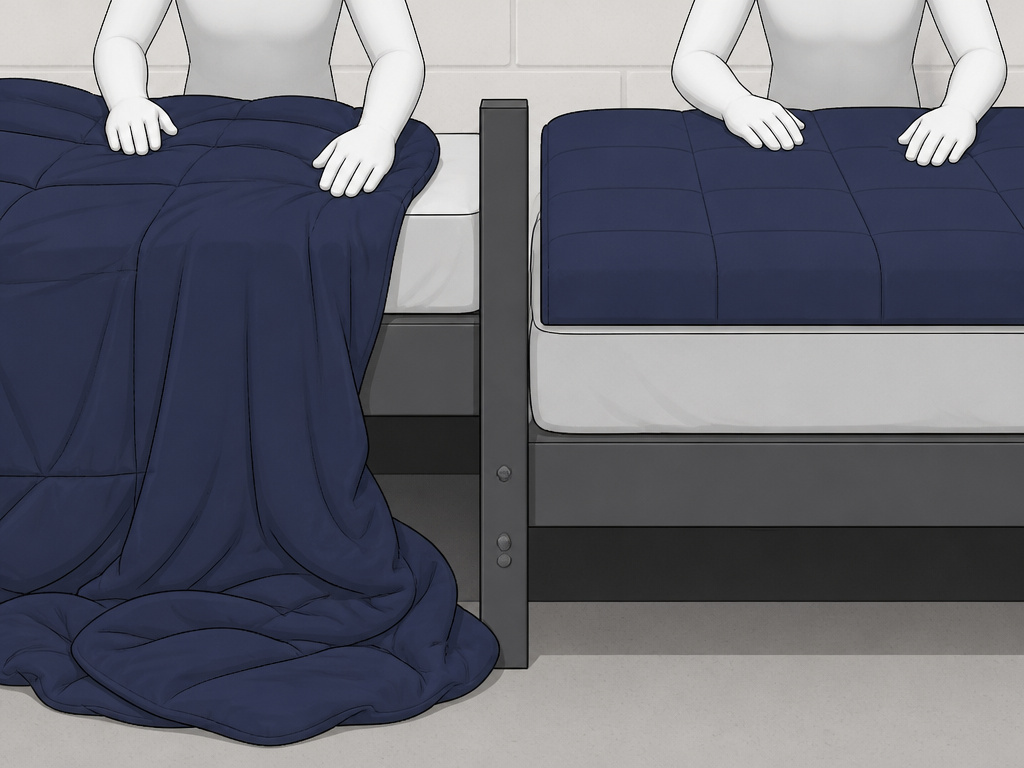
Standard twin comforters pool on the floor of dorm beds. Twin XL (36″ x 80″) matches the extra-long mattresses in most college housing. Comforters.com notes this size is often overlooked, parents buy standard twin sets, then watch them drag all year.
Care That Extends the Life
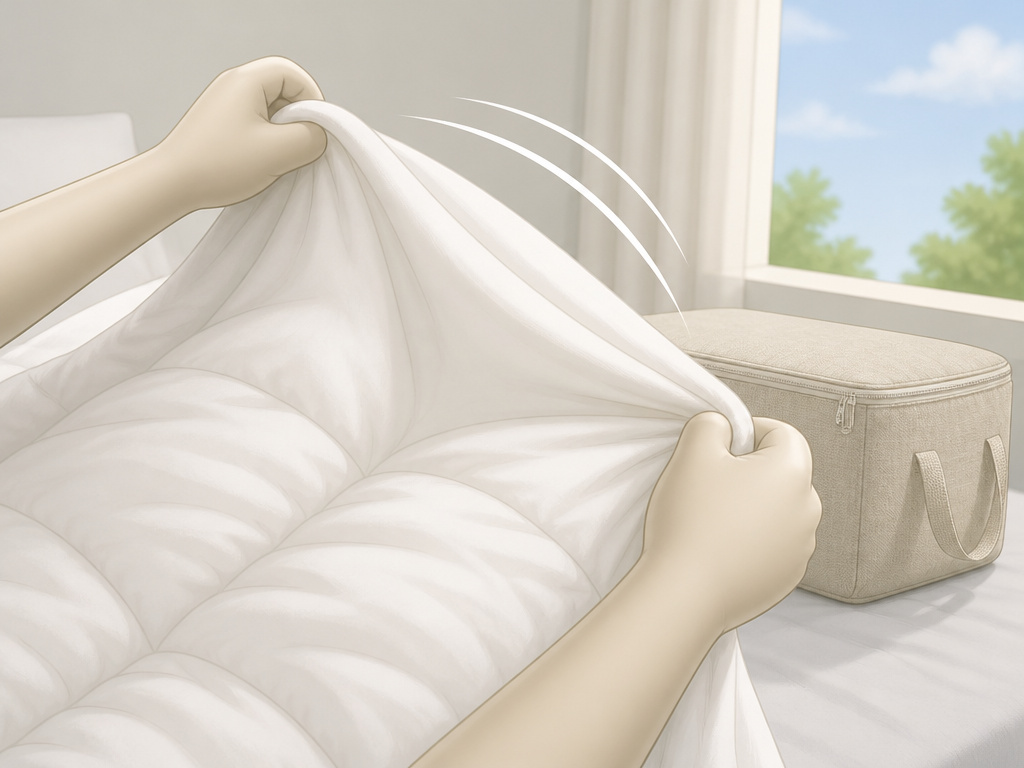
Shake your comforter every morning. Not a gentle fluff, a snap from the corners redistributes fill before it can clump. Store it wrapped loosely in a breathable cotton bag between seasons.
The Wirecutter best comforter review confirms what my testing shows: comforters last longest when aired outdoors quarterly.
What are the different types of comforter fill?
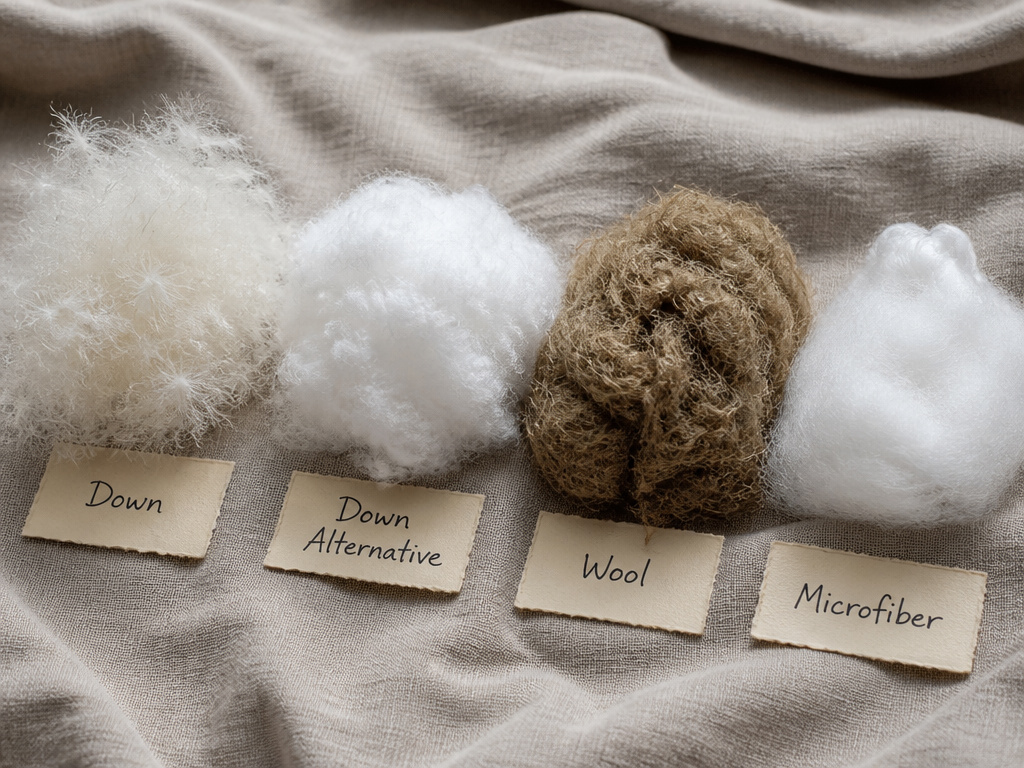
The core of your comforter determines its feel and function. Down, the soft undercoating from geese or ducks, is prized for its high loft and warmth without weight; higher fill power numbers indicate better insulating ability. Down alternative fills, typically synthetic, offer a similar plush feel and are often machine-washable, making them a practical choice. Natural options like wool provide temperature regulation and moisture-wicking properties. For allergy sufferers, synthetic fills or specially processed down alternatives are typically recommended as hypoallergenic choices. Your local climate and personal sleep temperature should guide your selection.
What should I look for in a hypoallergenic comforter?
If you have allergies, focus on the fill material and construction. Look for comforters specifically labeled as hypoallergenic, which often use synthetic down alternatives or down that has been thoroughly cleaned and processed to remove allergens. The outer fabric matters too; a tightly woven shell can help contain fine particles. Using a protective duvet cover or comforter cover provides an additional barrier against dust mites and allergens, and it simplifies cleaning since you can frequently wash the cover. Always check the care instructions, as some hypoallergenic fills allow for machine washing, which can help eliminate allergens that accumulate over time.
Frequently Asked Questions
Should you buy a comforter one size larger?
Only if you hate tucked-in bedding. A properly fitted comforter should drape over the mattress sides without excess fabric that becomes a tripping hazard.
How often should you replace a comforter?
With proper care, a down comforter can last up to ten years according to Comforters.com. Replace when the fill stops lofting after shaking or you see persistent leaks despite a good duvet cover.
Is dry cleaning necessary?
Sources disagree on cleaning: Amerisleep states most down comforters are dry clean only, while the Sleep Foundation (citing Quince) recommends machine washing in cold water on a gentle cycle. Check your comforter’s tag: “Dry Clean Only” often means the shell is starched, not that the down can’t handle water.
Before You Go
Skip the all-season claims. Buy a lighter 650-fill comforter now, then add a blanket come winter. That combo costs the same as a heavy-duty model but actually works year-round.
When testing in stores, check the fabric and stitching for quality. If it snags or pills instantly, imagine how it’ll feel after many washes. Comfort lives in the details.
