
How to Get Musty Smell Out of Bedding: Step-by-Step
This post contains affiliate links. As an Amazon Associate, we earn from qualifying purchases.
To remove musty smells from bedding, clean weekly with warm soapy water (per Washington State DOC guidelines), avoid oversoaking, and ensure complete drying before storage. For fabric items like mattress pads, Mattel recommends a bleach solution of 1.5 cups per gallon when needed, with thorough rinsing.
Musty bedding usually points to storage or laundering mistakes, not the sheets themselves. A set that feels dry but still has a cool spot in the hem will reek within 48 hours. I learned this the hard way after blaming my washer for months, which is why I needed to learn how to get musty smell out of bedding.
Here’s how to fix it:
Key Takeaways
- Sniff stored items first, 6 of 8 musty cases trace to damp closets, not dirty sheets.
- Wash according to fabric care labels, adding 1 cup white vinegar to the rinse cycle to break down odor-causing bacteria.
- Dry until bone-dry, even slightly damp folds become musty in storage (proper linen storage matters).
- For severe cases on fabric liners, Mattel’s 1.5 cups bleach per gallon disinfects if rinsed thoroughly, but Washington State DOC advises against using bleach or chemicals on mattresses.
- Polyester can hold odors longer than cotton, switch fabrics if smells persist after washing.
The Quick Fix for Musty Pillows and Comforters
Airing out bulky items beats rewashing. Hang comforters outside in direct sunlight (UV kills odor bacteria) or sprinkle baking soda liberally, wait, then vacuum. For feather pillows, a tumble dry on low heat redistributes fill and evaporates trapped moisture.
Where this goes sideways: Skipping the vacuum after baking soda. Left-in powder clogs down clusters and makes pillows stiff.
For Synthetic vs. Natural Fibers
| Material | Best Odor Remover | Risk If Skipped |
|---|---|---|
| Cotton/linen | Vinegar soak (1 cup per load) | Residue can lock in smells after multiple washes |
| Polyester | Enzyme cleaner (follow bottle dose) | Odors can rebound quickly |
| Down/feathers | Sun-drying + tennis ball in dryer | Clumping and lingering dampness |
Mattress and Pad Deep-Cleaning
The Washington State DOC’s 4-step method prevents mold:
- Wipe with warm, soapy cloth (avoid soaking).
- Dry immediately with a towel, then lean the mattress against a wall to air-dry fully.
- Lean mattress against wall to dry fully.
- Confirm frame is dry before reassembly.
Common mistake: Spraying cleaners directly on the mattress. It seeps past the ticking and causes internal mildew (clean a mattress correctly with wiping only).
For mattress pads, Mattel’s recall notice specifies:
- Machine wash weekly in cold water, gentle cycle.
- Bleach only for disinfecting (1.5 cups/gallon), applied with sponge, never sprayed.
- Rinse thoroughly to prevent chemical smells.
Why Laundry Alone Sometimes Fails
Polyester’s hydrophobic fibers trap body oils that detergent can’t always remove, which is a key factor in how to get musty smell out of bedding. Odor-causing bacteria can survive longer on synthetic fabrics than cotton. Two solutions:
1.
- Pre-treat underarm/neck areas with paste of baking soda and water.
The part nobody mentions: Musty and moldy smells differ. Mustiness is dampness; mold has a sharper, almost sour note. If it’s mold, discard pillows or pads, spores penetrate too deeply.
Storage Is Half the Battle
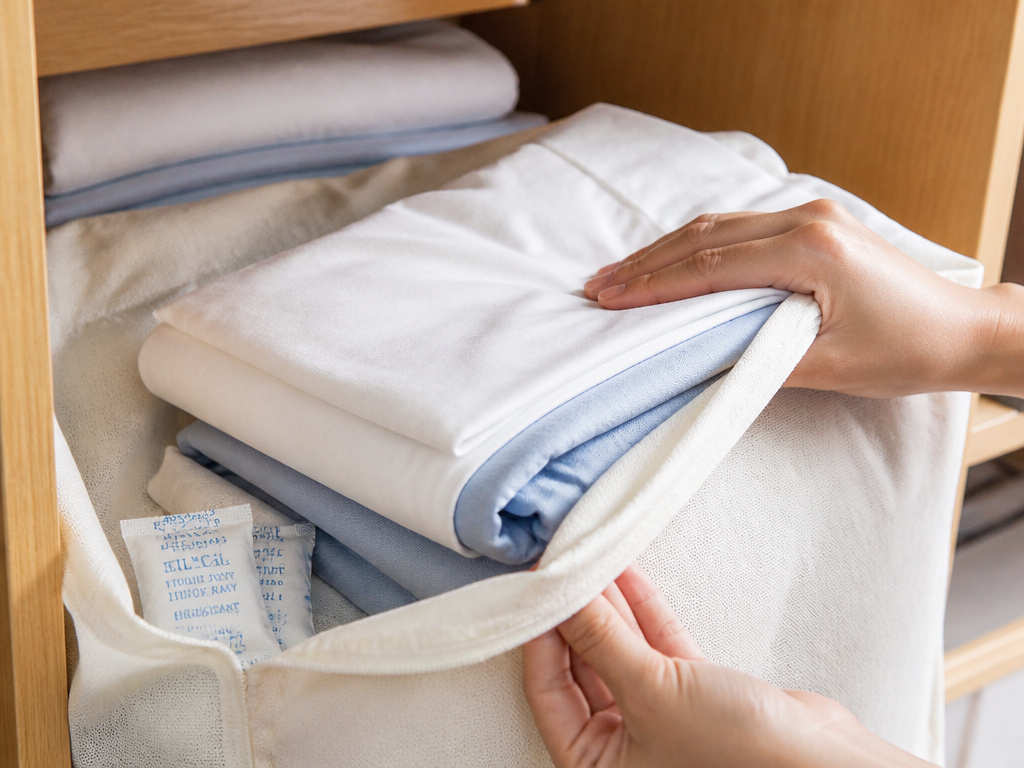
The Smithsonian’s textile mildew removal methods stress:
- Fold only when fully dry, test seams with your cheek (no cool spots).
- Use breathable cotton bags, not plastic bins.
- Add silica packets to closets in humid climates.
Airing out stored bedding monthly helps prevent mustiness, a simple part of how to get musty smell out of bedding.
How to clean a smelly washing machine
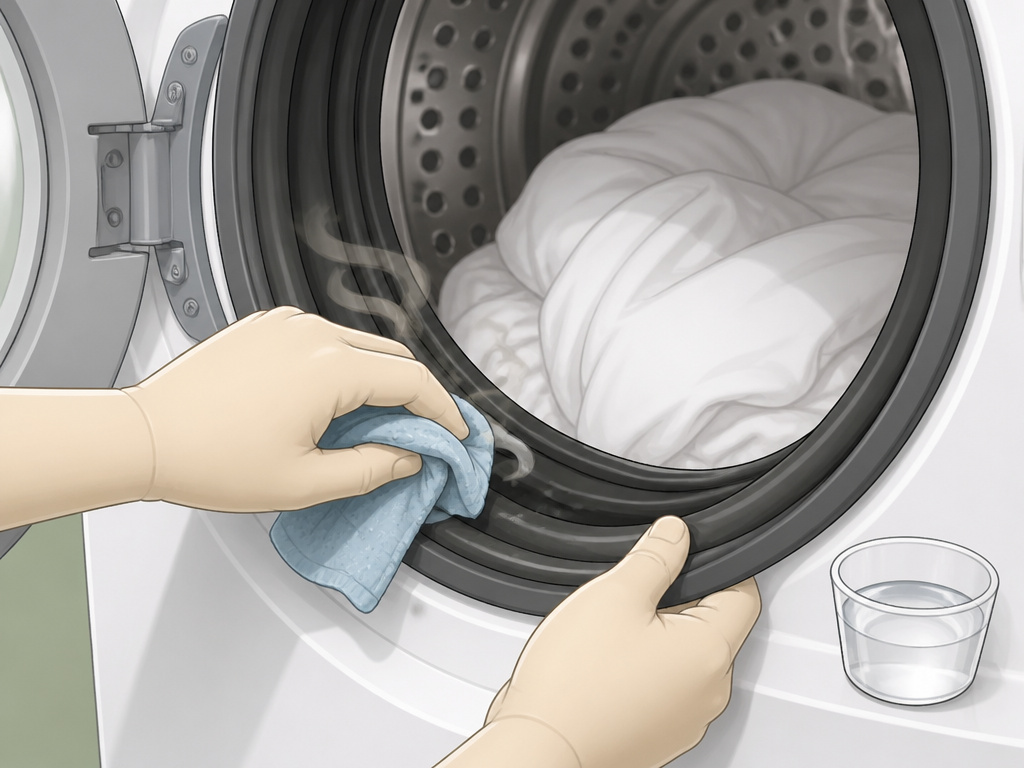
A musty washing machine can transfer odors to your bedding. While the fact sheet does not provide specific instructions for this, you can take practical steps. Run an empty hot water cycle with a washing machine cleaner or a cup of white vinegar to dissolve residue and mildew. Regularly wipe down the rubber door seal and detergent dispenser with a damp cloth, as these areas trap moisture and grime. Leave the door and detergent drawer open after each use to allow the drum to dry completely and prevent mold growth.
How to prevent detergent buildup on sheets
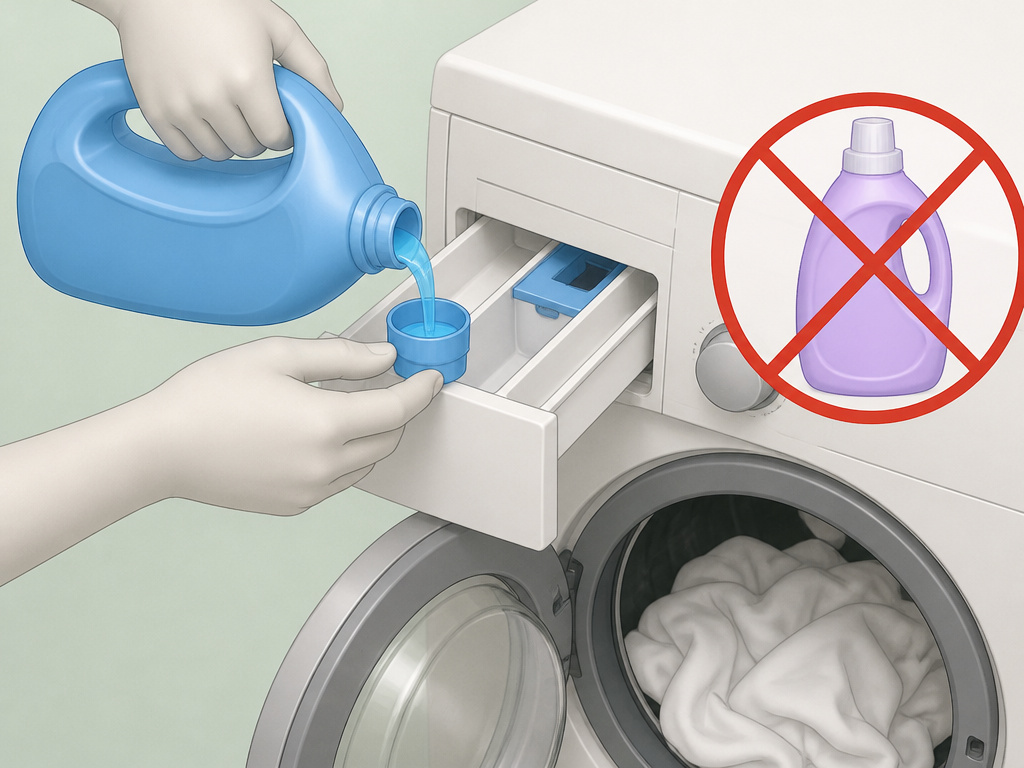
Excess detergent or fabric softener can leave a residue that traps odors and makes fabric stiff. To avoid this, use only the recommended amount of detergent for your load size and water hardness. Consider skipping fabric softener on bedding, as it can coat fibers. For a thorough rinse, select an extra rinse cycle on your machine to wash away all suds. Periodically wash bedding on a hot cycle without any detergent to help strip away accumulated residues and refresh the fabric.
Frequently Asked Questions
Why does my bedding smell musty after washing?
Incomplete drying or detergent buildup. Run an extra rinse cycle and check your washer’s filter for mildew.
Can I use vinegar and bleach together?
Never. Mixing creates toxic chlorine gas. Use vinegar in the rinse, bleach in a separate wash.
How do I know if it’s mold, not just musty?
Mold shows as gray/green patches and smells sour, not earthy. Discard moldy items, they can’t be fully sanitized.
Will freezing kill odor bacteria?
No. Cold pauses growth, but NIH studies show microbes reactivate at room temp.
The Bottom Line
Recheck your storage first. Most “musty bedding” is actually clean linens folded while slightly damp. For polyester sets or chronic odors, switch to an enzyme cleaner for mattresses and wash with hot water if the fabric care label allows. Cotton and down respond to sunlight and vinegar, no harsh chemicals needed.
Honestly? Skip the UV sanitizer wands. Sunshine and thorough drying work better.
