
How to Wash Bed Sheets: Step-by-Step (Without Damage)
This post contains affiliate links. As an Amazon Associate, we earn from qualifying purchases.
To wash bed sheets properly, use the hottest water temperature listed on the care label, cotton tolerates hot water (160°F/71°C kills dust mites), while polyester blends need warm. Wash at least weekly or every other week in a lightly filled machine using a sheets cycle or normal setting with mild detergent. Dry on low-medium heat or line dry in sunlight for natural disinfection.
Bed sheets collect skin cells, oils, and allergens every night. The right washing method removes these while preserving fabric quality. Most people wash sheets too infrequently or use settings that wear them out prematurely. This is the correct procedure for how to wash bed sheets.
What follows: fabric-specific water temperatures, step-by-step machine and hand-washing instructions for how to wash bed sheets, drying methods that prevent damage, and storage tips to keep sheets fresh between uses.
Key Takeaways
- Wash sheets weekly. Tide recommends at least every other week, while Whirlpool and NYT Wirecutter advise weekly
- Use the hottest water temperature listed on the care label for cotton (Tide notes hot water kills dust mites), while polyester blends need warm water to prevent damage.
- Do not overload the washer to prevent tangling and ensure proper rinsing.
- Skip fabric softener for natural fabrics, it reduces absorbency per Whirlpool
- Store sheet sets inside a pillowcase to keep matching pieces together
Step-by-Step Washing Instructions
Six months into testing Egyptian cotton sheets, I noticed pilling along the edges. Turns out I’d been overloading the washer, sheets need room to move. Here’s the method that fixed it:
-
Check the care label Every sheet set has specific requirements printed on the tag. Cotton usually allows hot water, polyester blends require warm, and delicate fabrics like silk demand cold.
-
Pretreat stains Apply a dab of Tide Free & Gentle directly to oil stains or body fluids. Let sit 10 minutes before washing, this prevents set-in stains that require rewashing.
-
Set the washer Use your machine’s “sheets” or “bulky” cycle if available. Whirlpool notes this uses warm water, low spin speed, and extra water to prevent tangling. No specialty cycle? Normal works for cotton; delicate suits synthetics.
-
Add detergent sparingly Over-soaping leaves residue that makes sheets feel stiff. For a queen set, use half the detergent you’d use for a full load of clothes.
Common mistake: Mixing sheets with towels. The lint transfer causes pilling, especially on dark-colored sheets.
- Start the wash Ensure the machine isn’t more than half full. Overloading prevents proper agitation and rinsing, which can lead to dingy, stiff sheets over time.
Water Temperature Guide
| Fabric Type | Water Temp | Why It Matters |
|---|---|---|
| Cotton | Hot (160°F/71°C) | Kills dust mites and bacteria per CDC guidelines |
| Polyester blend | Warm | Prevents pilling and fabric damage |
| Flannel | Cold/Warm | Maintains softness, prevents shrinkage |
| Silk/Satin | Cold | Preserves delicate fibers |
The CDC recommends a temperature of at least 160°F (71°C) for a minimum of 25 minutes for disinfecting healthcare linens. While home washers rarely maintain temperature that long, hotter water still provides better hygiene for cotton sheets.
Drying Methods That Prevent Damage
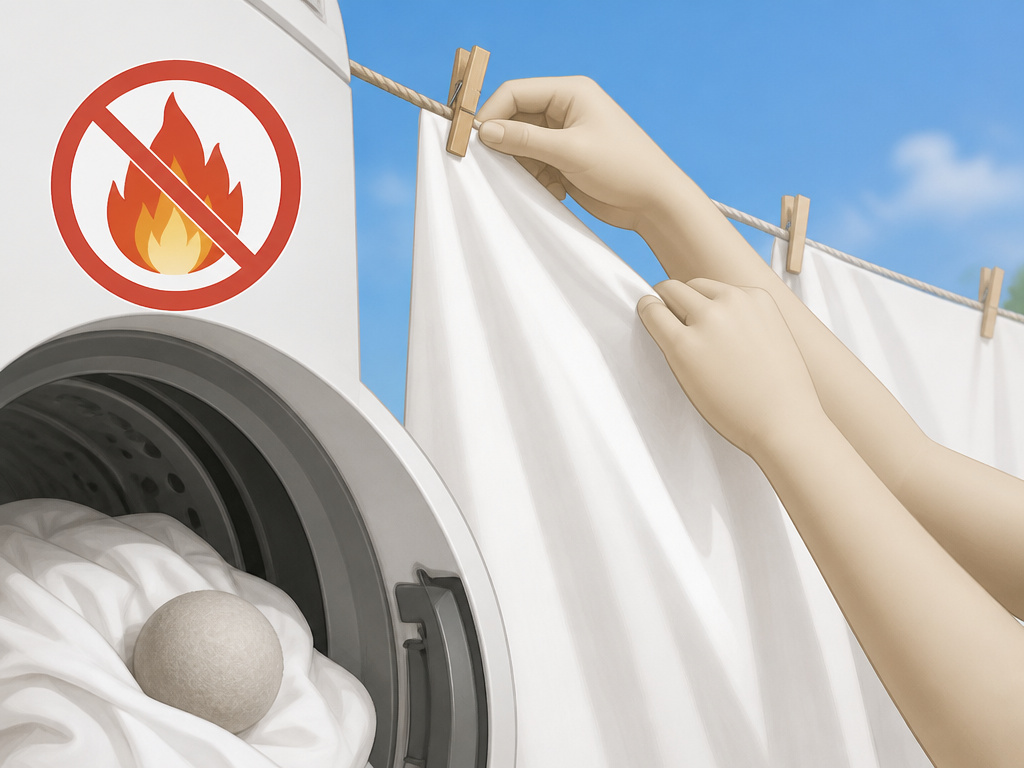
Where this goes sideways: High-heat drying. It weakens fibers, causing tears at stress points over time.
-
Line drying Tide recommends outdoor drying when possible, noting sunlight naturally disinfects and brightens whites, while Whirlpool recommends tumble drying on low to medium heat. Rotate sheets halfway through for even drying.
-
Tumble drying Use low or medium heat with dryer balls instead of sheets. Whirlpool warns fabric softeners coat natural fibers, reducing absorbency over time.
-
Ironing While optional, ironing cotton sheets at high heat provides additional disinfection by killing residual dust mites, according to Tide.
I learned the hard way with a linen set, that first high-heat dryer cycle shrank them 3%.
Fabric-Specific Care
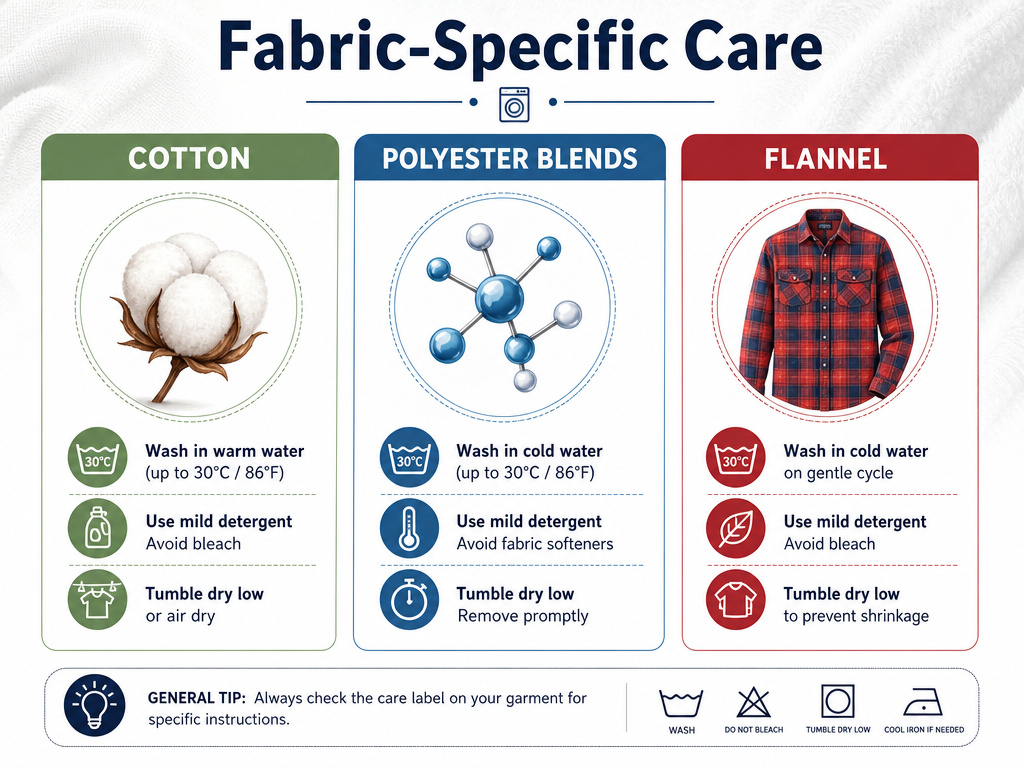
Cotton
- Washes well in hot water (optimal for removing body oils)
- Iron while slightly damp for crisp hotel-style finish
Polyester Blends
- Wash in warm water to prevent pilling
- Remove promptly from dryer to avoid set-in wrinkles
- Avoid high heat, it melts microfibers over time
Flannel
- First wash: Use ½ cup white vinegar instead of detergent (Whirlpool method to prevent pilling)
- Subsequent washes: Gentle detergent in cold/warm water
- Tumble dry on low to medium heat.
Storage and Maintenance

Tide recommends keeping three sheet sets per bed and rotating them weekly. Store folded sets inside one of their pillowcases, this prevents mismatches.
The part nobody mentions: Sunlight fades stored sheets. Keep them in a cool, dark place even if you line-dry.
For long-term storage:
- Wash with mild detergent (no softeners)
- Ensure completely dry to prevent mildew
- Fold neatly without tight creases
- Store in a dry, cool place away from direct sunlight.
Frequently Asked Questions
Can I wash bed sheets in the washing machine?
Yes, most sheets are machine washable. Check the care label first; only delicate fabrics like antique linens may require hand washing.
What causes brown stains on bed sheets?
Body oils oxidizing over time create yellow/brown stains, especially on pillowcases. Pretreat with detergent before washing in the hottest safe water temperature.
Is it okay to wash new sheets before using them?
Always wash new sheets first to remove manufacturing residues and soften the fabric. This is especially important for colored sheets to prevent dye transfer.
How do I stop sheets from tangling in the washer?
Use the bulky/sheets cycle if your machine has it. Otherwise, wash only one set at a time in a half-full machine, and avoid mixing with towels or clothing.
The Bottom Line
Wash cotton sheets weekly in hot water (160°F/71°C) to kill dust mites, polyester blends in warm to prevent damage, and delicate fabrics in cold. Always check care labels, they contain the manufacturer’s tested instructions for longevity. That crisp, clean feel isn’t just pleasant; it’s your first defense against allergens and skin irritants accumulating where you sleep.
