
Types of Blankets for Beds: How to Choose a Blanket
This post contains affiliate links. As an Amazon Associate, we earn from qualifying purchases.
Blanket selection isn’t about finding one perfect piece – it’s about building a system. The thermal resistance numbers tell part of the story, but how you layer matters just as much, and there are many types of blankets for beds to consider.
What follows: five core blanket types defined by function, the specs that separate quality from marketing (including the 0.15 m²·K/W thermal resistance floor for basic warmth), and how to mix them without overheating. By the end, you’ll be able to scan any tag and know whether that blanket belongs on your bed or in the guest room.
Key Takeaways
- Comforters trap heat with thick fills (down or synthetic) but lack the airflow of woven blankets
- Wool blankets regulate temperature best, with ICRC-certified models maintaining 250N tensile strength after washing
- Coverlets add style without bulk – ideal as a middle layer between sheets and duvets
- Match blanket size to mattress using the NIST standard 60×84″, 66×90″, or 72×90″ measurements
- Polyester blankets can retain odors – ensure it meets the ICRC’s 5% maximum weight loss after washing
The 5 Main Blanket Types Defined
Hospital blankets come in three wool blends per NIST CS136-46 – Type I (100% wool), Type II (75% wool), and Type III (50% wool). But your bed isn’t an infirmary. Home blankets sort into five functional categories:
“A comforter is designed for warmth, filled with polyester, wool, silk, or down. A coverlet is for looks only – it covers the bed top with a few inches drop.” — Sewing.org bedding guidelines
| Type | Best For | Warmth Level | Key Spec |
|---|---|---|---|
| Comforter | Cold sleepers | High | Fill power (down) or weight (syn) |
| Duvet | Easy washing | Adjustable | Corner ties prevent bunching |
| Quilt | Decorative warmth | Medium | Stitch density |
| Coverlet | Layered looks | Low | 10-13 stitches/10cm seam finish |
| Throw | Supplemental warmth | Variable | 200-400 g/m² for ICRC low-thermal |
The ICRC synthetic blanket standard for certain types of blankets for beds requires corners rounded to 100mm maximum radius – a small detail that keeps edges from curling after washing. That’s the kind of spec most tags omit but your hands notice at 2 AM.
Material Breakdown: Wool vs Synthetic vs Cotton
When evaluating types of blankets for beds, note that ICRC’s low-thermal polyester blankets must maintain at least 250N tensile strength after washing, with maximum 5% shrinkage. That outperforms most bargain cotton throws but can’t match wool’s natural temperature regulation.
Wool advantages:
Polyester advantages:
- Dries faster than wool after washing
- Weighs less at the same warmth (200-400 g/m² vs wool’s ≥2.25 lb/yd²)
- Costs less than equivalent wool blankets
Cotton sits between them – cooler than wool but more breathable than polyester; explore our best cotton blankets for examples.
Thermal Performance and Layering
That 0.15 m²·K/W minimum from the ICRC standard? It’s the baseline for what counts as a “warm” blanket in 20°C rooms. Here’s how common materials stack up:
| Material | Thermal Resistance (m²·K/W) | Best Paired With |
|---|---|---|
| Wool | 0.15-0.25 | Cotton sheets |
| Polyester | 0.15 | Moisture-wicking base layer |
| Down | 0.40+ | Duvet cover |
| Cotton | 0.05-0.10 | Wool overlay |
Common mistake: Using a thick comforter as your only layer. Over time, the filling can compress and cold spots may develop where your body presses hardest.
The systematic review in PMC found goose down increased slow-wave sleep in cool conditions, while linen improved sleep quality in warmth. That’s why most bedrooms need two blanket systems – a light cotton or linen layer for summer, and a wool/down combo for winter.
Sizing and Fit Guide
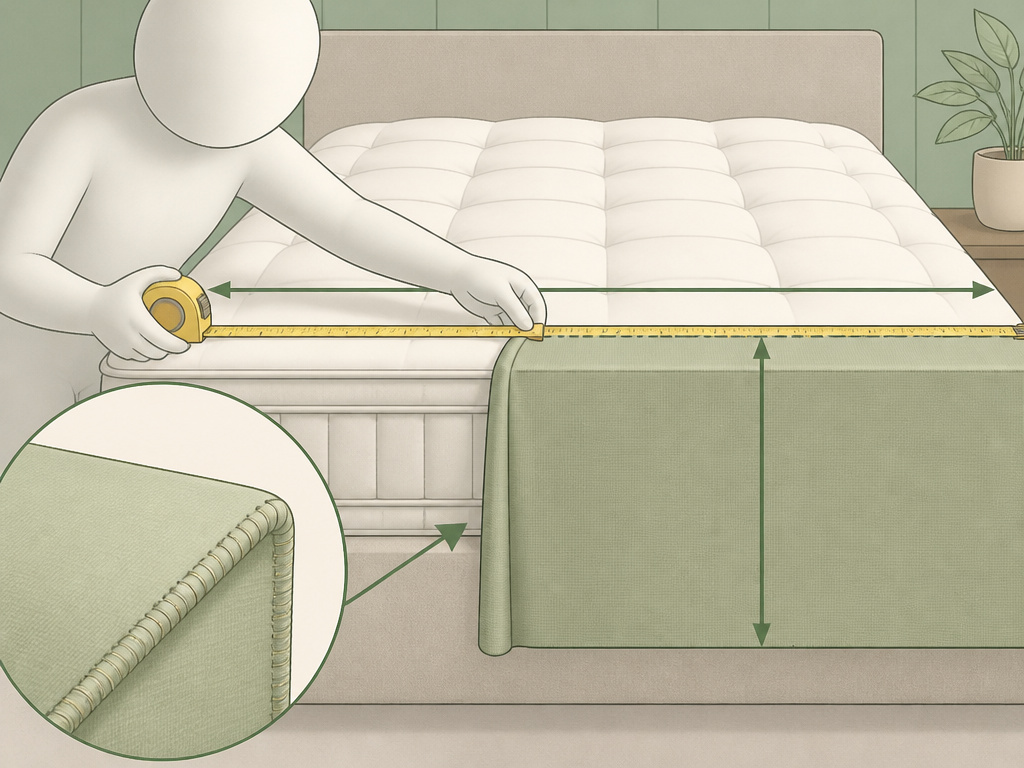
NIST’s hospital blanket sizes (60×84″, 66×90″, 72×90″) predate today’s plush mattresses. For modern beds:
- Start with mattress dimensions
- Twin: 39×75″
-
Queen: 60×80″
-
Add drop length
- 15″ for standard mattresses
-
20″+ for pillow-top or adjustable bases
-
Check seam placement ICRC requires whipped seams 10mm from edges with 10-13 stitches/10cm – any less and corners fray after 20 washes.
Care and Durability Factors
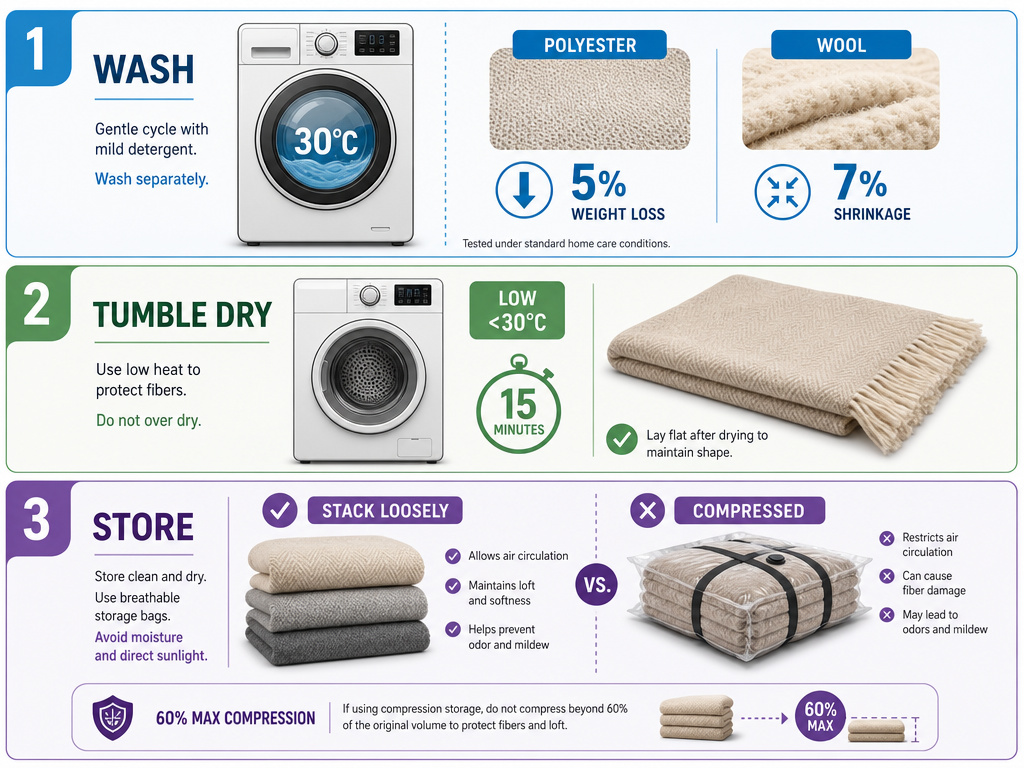
ICRC’s wash tests show polyester holds up best:
- Machine wash cold (≤30°C)
- Polyester: 5% max weight loss
-
Wool (NIST hospital blanket): 7% max shrinkage
-
Tumble dry low (<30°C)
- 15 minutes for polyester
-
Lay wool flat
-
Store uncompressed Bales have a maximum compression of 60% from free state per ICRC specs
“Wool blankets outlive synthetic ones, but only if you avoid frequent washing. Mine get aired weekly and washed twice yearly – that keeps them serviceable for a decade.”
The ASTM blanket performance standard excludes electric blankets, so those require separate care. Always check for fire resistance, such as no ignition to cigarette and flame – a must for kids’ rooms.
What is a bedspread?
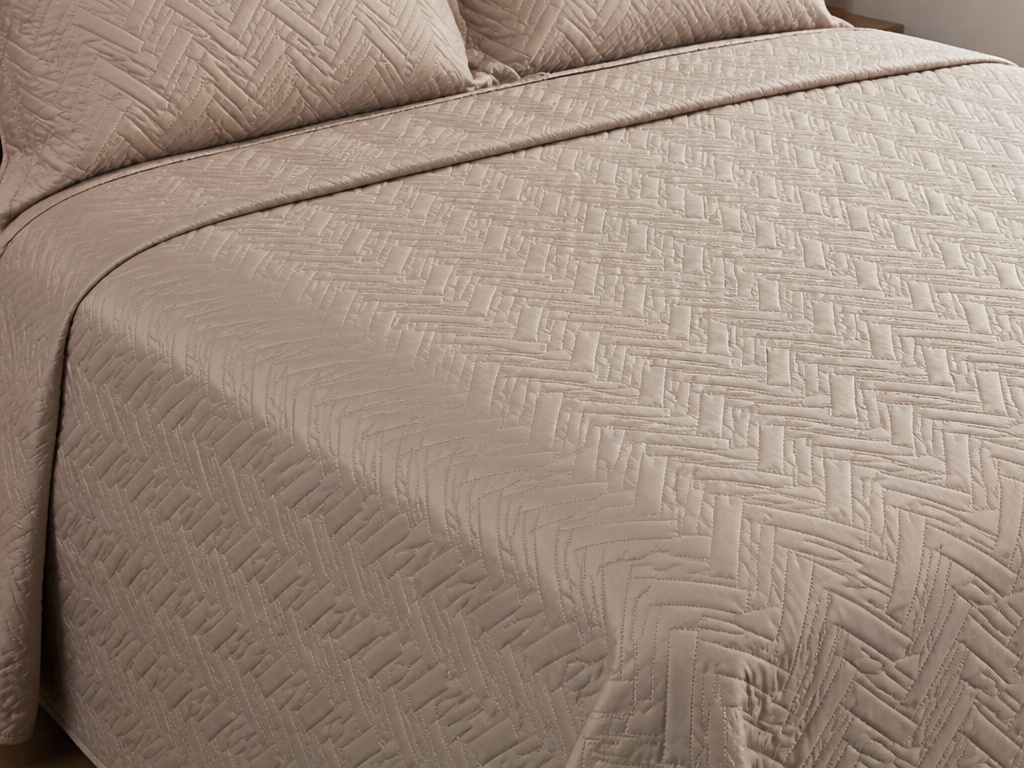
A bedspread is a covering designed to cover the entire bed, including the mattress, box spring, and pillows. This distinguishes it from coverlets, which are primarily for looks, and comforters, which are designed for warmth (learn more about the difference from a throw). While standards like those from the ICRC detail specific construction for utilitarian blankets, such as whipped seams and maximum shrinkage, a bedspread’s primary role is decorative. It often serves as the top layer in a bedding ensemble, providing a finished look. When selecting one, consider how it drapes over the sides of your bed to achieve the coverage and style you want.
How to layer blankets on a bed
Layering blankets combines style with adjustable warmth. Start with a fitted sheet and a flat sheet. Add a primary warming layer like a comforter or duvet, which is filled with materials such as polyester, wool, or down. For extra texture and insulation, place a quilt or a lighter blanket on top. A systematic review found that materials like goose down can increase slow-wave sleep in cool conditions, while linen improves sleep quality in warmth. The NIST study found thermal transmission is independent of fiber kind, while a systematic review found material-specific benefits for sleep under different conditions. Finish with a decorative bedspread or coverlet that covers the entire bed for a polished look.
Frequently Asked Questions
What’s the difference between a duvet and comforter?
Duvet is a down-filled comforter designed to slip inside a protective cover. Standard comforters are standalone pieces that get washed directly.
How often should I replace my blankets?
With proper care, lifespan varies by material.
Look for pilling, thinning areas, or filling clumps as replacement signs.
Why do hospital blankets feel different?
NIST CS136-46 Type I wool blankets weigh ≥2.25 lb/yd² – heavier than most home blankets. Their tight weave prioritizes durability over softness. The NIST household blanket study found thermal properties depend more on thickness than fiber type.
Are weighted blankets worth it?
The PMC sleepwear fibre review didn’t cover weighted models, but anecdotally:
- Stick to a recommended percentage of body weight
The Bottom Line
Build a three-layer system:
- Base: Cotton or linen sheet set
- Middle: Wool blanket (200-400 g/m²) or coverlet
- Top: Duvet for winter, light quilt for summer
Skip “all-season” single blankets – they’re always too warm or too light when you need them most; see our picks for the best blanket picks. And if you buy one wool blanket, make it a NIST-spec Type I – that 100% wool content pays off in year-round comfort (check our best wool blankets for options).
