Wool Blanket Pros and Cons: How to Choose
This post contains affiliate links. As an Amazon Associate, we earn from qualifying purchases.
Wool blankets regulate body temperature better than cotton or synthetics, last for decades with proper care, and naturally resist fire and odors, but they require specific washing methods and can feel itchy for some sleepers.
Wool’s fiber structure is unique, with hollow strands that can trap air and wick moisture. Older adults and poor sleepers see the biggest benefits, research shows wool sleepwear significantly reduces sleep onset time compared to cotton. A full assessment requires considering wool blanket pros and cons.
What follows: sleep lab results on wool versus other fabrics, a durability breakdown by blanket type, and the right way to clean wool without shrinking it. By the end, you’ll know the wool blanket pros and cons and whether wool’s warmth and longevity justify its higher cost and care requirements.
Key Takeaways
- Wool reduces sleep onset time significantly for older adults compared to cotton (PMC study)
- Merino and cashmere wool resist pilling better than standard wool but cost 2-3x as much
- Hand wash in cold water to prevent shrinkage, as machine washing can cause wool to shrink and lose insulation.
- Pair with cotton sheets in humid climates, as wool is more absorbent than cotton.
- Store folded with cedar blocks, moths target wool left in dark, undisturbed areas
How Wool Affects Sleep Quality
“For poor sleepers (PSQI > 5), wool sleepwear significantly reduced wake after sleep onset (WASO) compared with cotton.”
The PMC sleepwear fibre type study tracked 65-year-olds switching between cotton, polyester, and wool pajamas. Wool won for two groups:
- Older adults fell asleep significantly faster in wool versus cotton (p = 0.011)
- Poor sleepers had a significantly lower sleep fragmentation index in wool versus polyester
Why? Wool buffers temperature swings better than other fabrics. That thin layer of lofted fibers traps warmth when you’re cold and vents heat when you’re warm. Cotton can’t adjust as quickly, it absorbs moisture but holds it against your skin.
The catch: Sources disagree on the best fabric for healthy young sleepers under normal conditions: the PMC study suggests cotton sleepwear may be better for a deeper sleep, while the IWTO reports wool sleepwear and bedding produce a deep and longer sleep.
Warmth and Temperature Regulation
Three factors decide a blanket’s warmth, and wool leads in one:
| Factor | Wool’s Performance | Compared To |
|---|---|---|
| Thickness | Loses 0.9% insulation per wash (Oregon State) | Acrylic loses 1.2% |
| Fiber Type | Twice as breathable as cotton (IWTO) | 10x better than polyester |
| Weave Density | Looser weaves (like waffle) vent more heat | Tight twill traps most warmth |
That fiber-level moisture management is central to the wool blanket pros and cons debate as wool’s edge for comfort. On damp nights, wool pulls sweat vapor away from your skin before it condenses. You stay dry underneath while synthetic fabrics cling.
Sensory detail: Run your hand over a wool blanket after a humid night, you’ll feel that moisture is managed effectively. Polyester may feel clammy as it is less effective at moving moisture vapour.
Care and Maintenance Requirements
Most wool blanket disappointments trace to one mistake: improper washing.
Machine Washing Risks
- Shrinks significantly with repeated machine washing
- Loses insulation from fiber compaction
Safe Cleaning Steps
- Soak in cold water with wool detergent (never hot)
- Press water through fibers, no wringing or twisting
- Dry flat on a towel, hanging stretches the weave
Owners report the itchy wool blanket problem often fades after several gentle washes as loose fibers shed. For persistent itch, look for blended wool or longer-staple merino.
Durability and Longevity
Wool outlasts synthetics when cared for properly:
| Blanket Type | Average Lifespan | Failure Mode |
|---|---|---|
| Acrylic | 3-5 years | Pills and sheds fibers |
| Wool-Polyester Blend | 7-10 years | Wool fibers break down |
| 100% Wool | 15-20 years | Thins but rarely disintegrates |
The NIST household blanket properties study found wool’s crimped fiber structure resists abrasion better than straight synthetic strands. That’s why military surplus wool blankets often outlive their owners.
First-person note: My great-grandfather’s WWII-era wool blanket still drapes without holes, it’s thinner now but hasn’t pilled like the acrylic one I bought in college.
Cost and Value
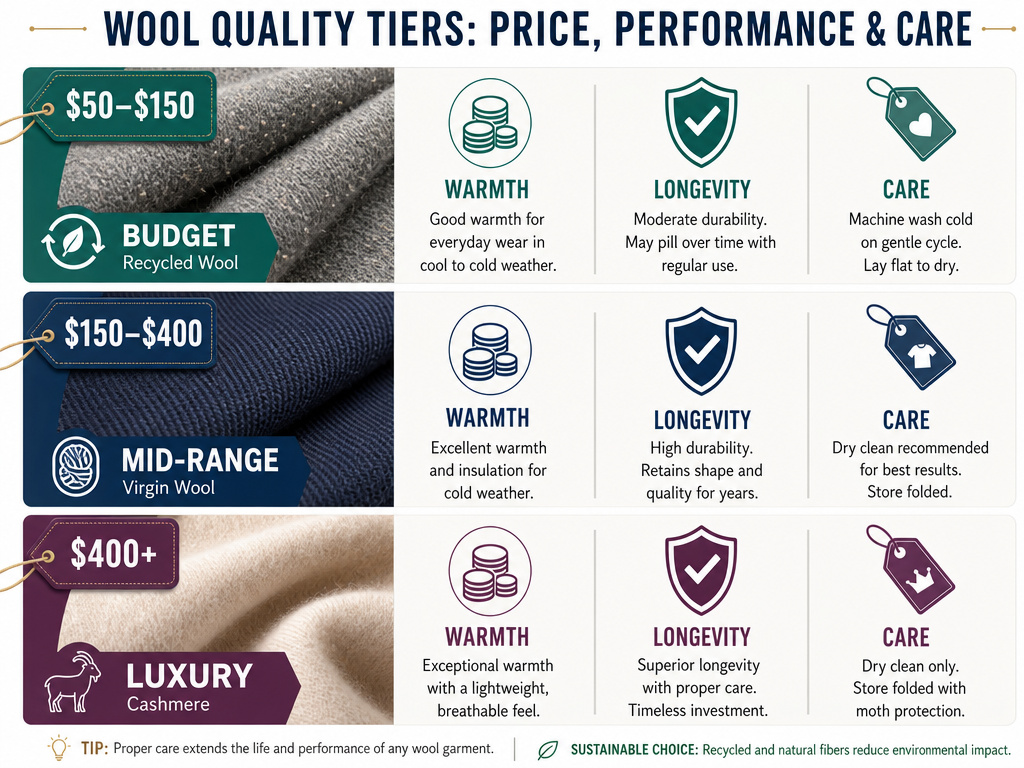
Wool blankets range from $50 for basic utility models to $1,000+ for cashmere. Three tiers cover most needs:
- Budget ($50-$150): Recycled wool blends like Barker Textiles‘ 45% regenerated wool, nearly as warm but pills faster
- Mid-Range ($150-$400): Virgin wool (Pendleton, Faribault), lasts decades with care
- Luxury ($400+): Cashmere or alpaca, softer but requires dry cleaning
Potential for Itchiness and Allergies
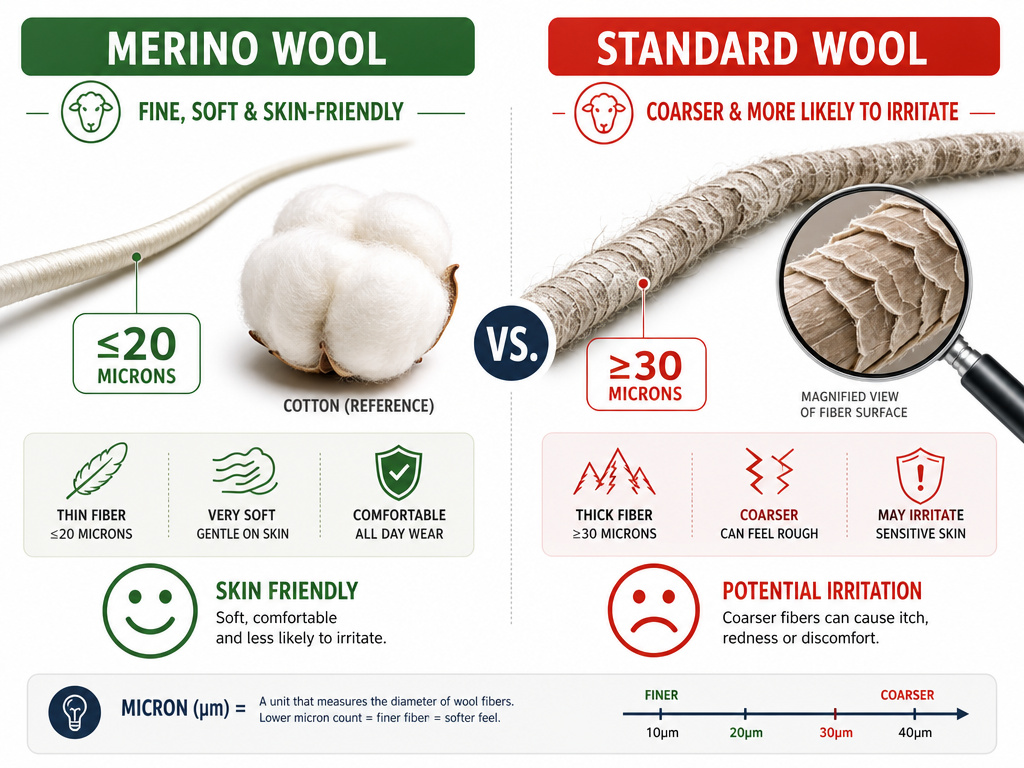
Two myths need correcting:
- “All wool is itchy”
- Truth: Fiber diameter matters more than material
- Merino (≤20 microns) feels smooth like cotton
-
Standard wool (≥30 microns) can irritate
-
“Wool causes allergies”
- Truth: Lanolin allergies are rare, most react to coarse fibers mechanically irritating skin
The wool comforter pros and cons breakdown shows blended wool comforters solve both issues for sensitive sleepers.
Comparison to Other Materials
Wool vs Cotton
- Wool insulates when wet; cotton loses 90% warmth
- Cotton is often used in tropical humidity, though wool is more effective at moving moisture vapour
Wool vs Polyester
- Wool resists odors naturally; polyester traps smells
- Polyester dries faster and costs 75% less
Wool vs Down
- Wool regulates temperature actively
- Down packs warmer for the weight in dry cold
Flame and Odor Resistance
Wool’s natural fire resistance comes from its high nitrogen content, it chars instead of melting like synthetics. The IWTO wool and sleep report documents wool’s unique safety traits:
- Self-extinguishes when flame removed
- Produces less toxic smoke than synthetics
- Resists bacterial growth that causes odors
That’s why wool blankets dominate emergency kits and marine use, they won’t melt onto skin during a fire.
Moth Susceptibility and Storage
Moths target wool left undisturbed for weeks. Prevent damage with:
- Regular use, moths avoid frequently moved items
- Cedar blocks, natural deterrent without chemicals
- Airtight bags for seasonal storage with silica packets
Timing surprise: Moth larvae take weeks to hatch, check stored wool regularly during warm months.
How well does a wool blanket wick moisture?
Wool moves moisture vapor away from the body more effectively than many common fabrics. It is approximately twice as effective as cotton at this task and significantly outperforms polyester. This moisture management helps regulate skin temperature and comfort. For sleepers, this characteristic can contribute to less fragmented sleep, as studies have shown wool sleepwear results in a lower sleep fragmentation index compared to polyester. The weave and raw material of the fabric can influence its air permeability, affecting overall breathability.
Are wool blankets heavy and itchy?
The weight and feel of a wool blanket depend more on its construction than the fiber alone. A blanket’s warmth is linked to its thickness and density, not strictly its material. Any fiber can be made into a warm blanket if woven suitably thick. Some wool, like lambswool from a young sheep’s first shearing or cashmere from goats, is known for a softer feel. Over time and with cleaning, a blanket’s hand may change, especially if it becomes felted. A well-constructed wool blanket should provide insulation without excessive weight.
Is wool an eco-friendly blanket choice?
Wool is a natural, renewable fiber, and its use can support sustainable practices. The industry uses regenerated wool, which is made from pre-consumer textile waste, reducing landfill material. This regenerated wool can be blended with new woolen yarns to create fabrics. Since wool is durable and long-lasting with proper care, a wool blanket can serve for many years, delaying its entry into the waste stream. Its natural fire-resistant properties also reduce the need for chemical treatments that can have environmental impacts.
Frequently Asked Questions
Is it good to sleep with a wool blanket?
Yes, especially if you’re over 65 or a poor sleeper. The PMC sleepwear study found wool sleepwear significantly reduced wake after sleep onset for poor sleepers compared to cotton.
Why avoid merino wool?
No need to avoid, merino is the softest wool type. Some backpackers prefer synthetic fleece because merino absorbs more water when soaked.
Which 100% wool blanket is best?
For most sleepers, mid-weight virgin wool like Pendleton’s National Park series balances warmth, durability, and cost. Check our best wool blankets roundup for climate-specific picks.
The Bottom Line
Wool blankets aren’t for every sleeper or budget, but they outperform synthetics in three key areas:
- Temperature regulation via moisture-wicking (2x better than cotton)
- Longevity with proper care (15-20 years vs 3-5 for acrylic)
- Safety from natural fire resistance
If you sleep hot or live somewhere humid, pair wool with breathable cotton sheets. For cold, dry climates, wool alone delivers the most night-to-night consistency. Either way, skip the dryer, that’s where most wool blankets meet an early end.
