
Blanket vs Throw: Key Differences Explained
This post contains affiliate links. As an Amazon Associate, we earn from qualifying purchases.
Blankets are typically larger, functional pieces designed for full-body coverage during sleep, while throws are smaller, decorative accents best suited for furniture. The difference comes down to size, materials, and primary use, blankets for warmth, throws for style.
Walk into any bedding section and you’ll find rows of folded textiles labeled “blanket” or “throw,” often with little explanation. The confusion is real, often boiling down to a simple blanket vs throw comparison. I’ve watched shoppers pick up a 50-inch throw, unfold it over a queen bed, and wonder why it looks skimpy. Here’s how to tell them apart without unfolding every piece in the store.
This guide breaks down the specs that matter in the blanket vs throw debate: standard dimensions, material pros and cons, and the one mistake that leaves most buyers disappointed after the first wash.
Key Takeaways
- Blankets start at 50″x60″ (UK single) and scale up to 79″x95″ (UK king), always larger than throws.
- Throws measure around 50″x60″ (Homefords, Brooklinen) or 50″x70″ (The Company Store), too small for full-bed coverage but perfect for sofas.
- Material dictates warmth: Blankets use cotton, wool, or synthetics for sleep; throws favor fleece, cashmere, or acrylic for decor.
- Layer both for style: A full-size blanket under a folded throw adds texture and easy-access warmth (Brooklinen).
- Wash frequency varies: Blankets need cleaning every 1-2 weeks; decorative throws can go 1-2 months between washes (Villarosa Maison).
Size and Dimensions
The most reliable way to tell a blanket from a throw? Measure it. Blankets match standard bed sizes, while throws hover around half that length.
| Type | Dimensions (inches) | Fits |
|---|---|---|
| UK Blanket | Single: 50×60; King: 79×95 | Full bed coverage |
| US Blanket | Twin: 66×90; King: 108×100 | Mattress + overhang |
| Throw | 50×60 (Homefords) or 50×70 | Furniture or bed accent |
Technical Note: UK and US blanket sizes differ significantly; for example, a UK king (79″x95″) is narrower than a typical US king. Always check origin and specific dimensions when buying online.
Materials and Warmth
When considering a blanket vs throw, note they diverge in fabric choices, each optimized for their primary role:
Blanket Materials (Amerisleep, Puffy):
- Cotton: Breathable for sleep, ages softly over time
- Wool: Natural temperature regulation, ideal for cold climates
- Bamboo: Silky feel, wicks moisture
Throw Materials (FADFAY, Villarosa Maison):
- Fleece: Soft and affordable, but traps heat
- Cashmere: Luxe drape, often requires dry cleaning
- Linen: Wrinkled-chic look
Common mistake: Choosing a throw as your primary blanket. The decorative fabrics lack the structure for nightly use and may not hold up as well over time.
When to Use Each
Blankets Excel For:
- Full-night warmth: Their larger size prevents drafts (Puffy)
- Bedding layers: Tuck under duvets or use solo in summer
- Longevity: Well-made blankets last 5-10 years (Homefords)
Throws Shine For:
- Decor: Draped over sofas or folded at the foot of a bed
- Quick coziness: Movie nights, reading nooks, guest lap blankets
- Seasonal swaps: Easier to store than bulky comforters
Styling Them Together
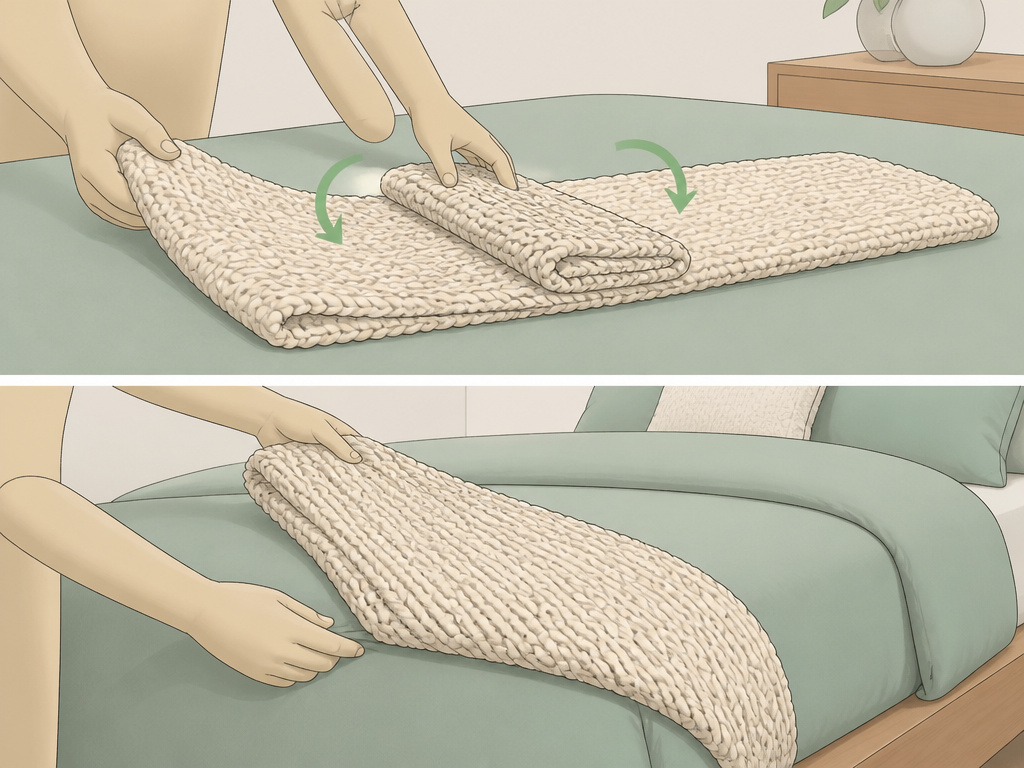
The Brooklinen approach works best: treat the blanket as your base layer, then add a throw for visual interest.
- Start with a made bed, fitted sheet, flat sheet, blanket
- Fold the throw in thirds lengthwise
- Drape diagonally across the lower third of the bed
- Tuck one end loosely under the blanket for a “lived-in” look
Pro tip: Mix textures, a smooth cotton blanket pairs beautifully with a chunky knit throw. Contrast keeps the look dynamic without clashing.
For more ideas, see our guide on how to style a throw blanket on different bed sizes.
Care and Maintenance
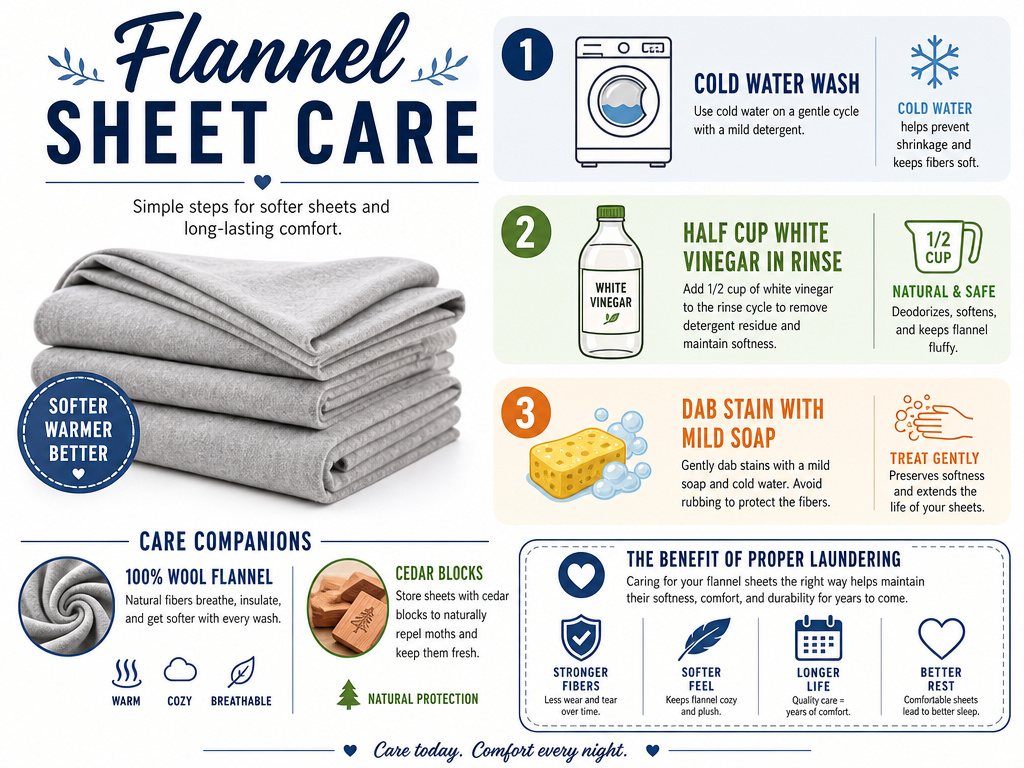
Blankets and throws have different laundering needs:
| Care Aspect | Blankets | Throws |
|---|---|---|
| Frequency | Every 1-2 weeks | Every 1-2 months |
| Method | Machine wash (gentle cycle) | Check label—many dry-clean |
| Drying | Low heat to prevent shrinkage | Lay flat to preserve shape |
Are throws or blankets more expensive?
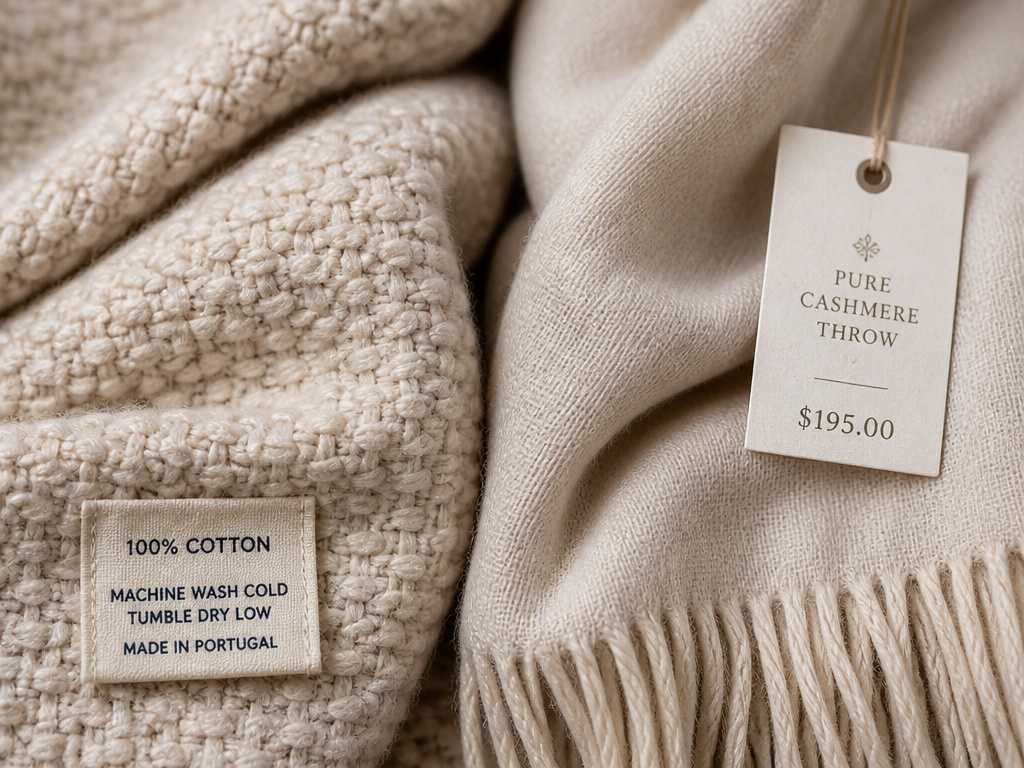
Cost isn’t just about the price tag; it reflects the item’s purpose. Throws often use premium decorative fabrics like cashmere or Egyptian cotton, which increase cost but are not designed for daily laundering. Blankets prioritize durable, washable materials for nightly use. You’re paying for longevity and function with a blanket, and for luxe finishes and style with a throw. A good-quality blanket can last many years with proper care, making it a long-term investment for bed warmth, while a throw is an accent piece for furniture.
Frequently Asked Questions
Can a blanket be used as a throw?
Yes, but it may overwhelm furniture. A UK single blanket (50″x60″) works as an oversized throw, while larger sizes will pool on the floor. For sofas, stick to true throws or explore smaller blanket options.
Why are throws more expensive than blankets?
Premium throws use costlier decorative fabrics (cashmere, Egyptian cotton) not designed for daily laundering. Blankets prioritize durable, washable materials, you’re paying for longevity, not luxe finishes.
How do I choose between a blanket and comforter?
Blankets are simpler (no insert needed), while comforters offer more loft. See our blanket vs comforter guide for climate-specific recommendations.
What’s the best throw blanket material for pets?
Fleece resists claws but traps hair; tightly woven cotton is easier to lint-roll. Avoid loose knits that snag.
Before You Go
Skip the “all-purpose” marketing claims. Every well-made bedding setup needs:
- One quality blanket sized for your mattress (refer to the size chart above)
- One lightweight throw in a complementary color for decor
- Seasonal swaps: Rotate a heavier wool blanket in winter, store it in summer
The best throw blankets balance looks and practicality, if it can’t survive a spilled cup of tea or a cat nap, it’s decor, not comfort. Choose accordingly.
