
10 Best Camping Mattresses For Side Sleepers in 2026
This post contains affiliate links. As an Amazon Associate, we earn from qualifying purchases.
We recommend the Sea to Summit Ether Light XR Pro Insulated Sleeping Pad as the best overall camping mattress for side sleepers. Its mattress-like Air Sprung Cell support and high R-value make it ideal for cold nights. The Therm-a-Rest MondoKing 3D is our choice for luxury comfort, while the OGERY Self-Inflating Sleeping Pad offers the best budget value.
Side sleepers face a specific challenge: concentrated pressure on hips and shoulders can lead to a sore, restless night on a thin or unstable pad. This guide is based on research into specifications, expert round-ups, and patterns in owner feedback. We’ll help you understand the key features that matter for side sleeping comfort across ten top-rated options.
Top 10 Camping Mattresses For Side Sleepers in the Market
Certain content that appears on this site comes from Amazon. This content is provided "as is" and is subject to change or removal at any time.
The Best Camping Mattresses For Side Sleepers, Reviewed
Sea to Summit Ether Light XR Pro Insulated Sleeping Pad

What We Like
- High R-Value of 7.4 for reliable four-season warmth
- Air Sprung Cells create stable, mattress-like support
- Integrated pumpsack and valve allow for quick setup
Trade-offs
- At 3.9 inches, it's thinner than some 4+ inch car-camping mats
With an ASTM-tested R-Value of 7.4, the Sea to Summit Ether Light XR Pro provides reliable insulation for winter and alpine conditions. Its 3.9-inch-thick Air Sprung Cell construction creates plush support that reviewers describe as the closest thing to a real mattress in a backpacking pad. This design adapts to side, back, and stomach sleepers, though the research mentions it can be less forgiving on hip pressure than pads over 3.5 inches thick.
The trade-off for its packability and warmth is a thickness that, while generous, doesn’t quite match the plushness of a dedicated car-camping pad like the Therm-a-Rest MondoKing 3D. For side sleepers who are primarily backpacking or on mixed trips where weight matters, the Ether Light XR Pro strikes a compelling balance. It delivers the support where you need it most, without forcing you to carry a heavier self-inflating mat on long ascents.
Product photos
Therm-a-Rest MondoKing 3D Self-Inflating Camping Pad

What We Like
- Extremely thick 4.25-inch sleep surface
- High 7.0 R-value for extreme cold
- Vertical sidewalls maximize usable comfort area
- Self-inflating with included pump sack
Trade-offs
- Heavy at 4.38 pounds for backpacking
- Large packed size requires substantial pack space
- Requires 2-4 hours pre-inflation before first use
A 4.25-inch thickness creates a sleep surface that genuinely cradles hips and shoulders, making it a standout for side sleepers who prioritize cushioning above all. The substantial foam and air construction, paired with a 7.0 R-value, delivers a bed-like experience that insulates reliably in harsh conditions. This pad suits car campers or those on short-haul trips where luxury and warmth are non-negotiable, and the hassle of a larger pack is a fair trade for sleeping through the night without pressure points.
The real compromise is portability. At over four pounds and packing down to a 26-inch cylinder, it demands a dedicated gear haul. For side sleepers needing similar comfort in a packable format, the Sea to Summit Ether Light XR Pro Insulated Sleeping Pad offers a comparable 4-inch height at less than half the weight, though with a different feel. The MondoKing’s heft is the direct cost of its exceptional plushness and extreme insulation.
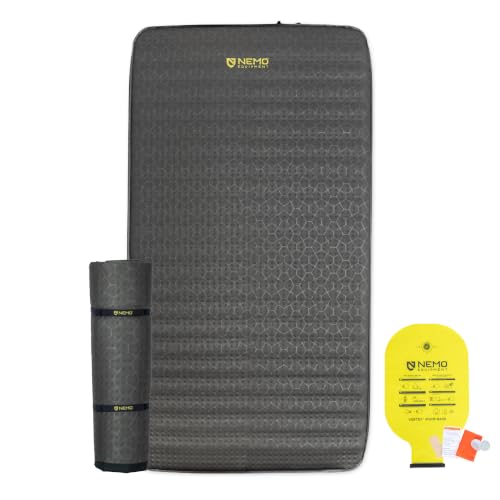
NEMO Equipment Roamer Sleeping Pad
What We Like
- Fast inflation from Flow Core and strategic valves
- Packs smaller than comparable comfort-focused pads
Trade-offs
- At 7.0 pounds, it's heavy for backpacking
With four inches of cushioning that practically eats up rocks and roots, the NEMO Roamer creates a smooth sleep surface that forgives an uneven tent floor. Its self-inflating design and integrated toggles for linking pads make it a fit for car campers or couples prioritizing a wide, uniform bed over low pack weight.
That comfort comes with a trade-off in portability, as the pad’s 7.0-pound weight anchors it firmly to the car campground. For a lighter self-inflating alternative, the Therm-a-Rest MondoKing 3D weighs 4.4 pounds but lacks the couple-linking feature.
Product photos
NEMO Equipment Astro Insulated Sleeping Pad

What We Like
- 3.5-inch plush thickness smooths uneven ground
- Includes a pillow baffle for head support
- Uses recycled, bluesign APPROVED materials
Trade-offs
- At 1.6 pounds, it is heavier than some ultralight pads
- Weighs 1.6 pounds, which is heavier than some ultralight pads
With 3.5 inches of thickness, this pad provides a substantial cushion for smoothing out uneven ground. Its lateral baffles are designed to feel more comfortable under arms and legs. The plush loft and this specific baffle layout create a distinct feel compared to simpler pad constructions.
A weight of 1.6 pounds is shared with the Sea to Summit Ether Light XR Pro Insulated pad, while the Therm-a-Rest NeoAir Xlite NXT is lighter at 1.0 pound. The Astro’s thickness contributes to its mass, asking you to carry a bit more for that plushness.
Sea to Summit Comfort Deluxe Self-Inflating Mattress

What We Like
- 4-season R-6.5 insulation for cold temperatures
- 3.9-inch thickness with vertical sidewalls for support
- XPEL reversible valve for easy inflation and fine-tuning
- Soft stretch-knit top fabric conforms to reduce pressure points
Trade-offs
- Weighs 4.2 pounds, heavier than many inflatable pads
- At 4.2 pounds, it is heavier than the Therm-a-Rest NeoAir Xlite NXT
A 3.9-inch depth of foam and air provides the substantial cushioning a side sleeper needs to keep hips and shoulders from bottoming out. Combined with a 6.5 R-value, this makes the Comfort Deluxe a genuine four-season mattress suited for car campers or anyone who prioritizes sleep comfort over minimal pack size. The stretch-knit top fabric adds a conforming layer that helps distribute weight away from bony pressure points.
The Sea to Summit Comfort Deluxe packs into a 27.6-inch-long cylinder and weighs 4.2 pounds, which is a substantial volume and weight for a backpack. This makes it better suited for car camping or short hauls. For ultralight backpacking trips where every ounce counts, a pad like the Therm-a-Rest NeoAir Xlite NXT offers a comparable length at only one pound.
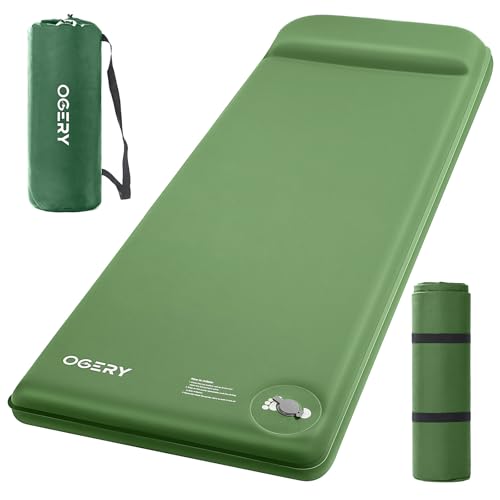
OGERY Self-Inflating Sleeping Pad
What We Like
- 3-inch hybrid foam reduces bounce for side sleepers
- Built-in foot pump for easy firmness adjustment
- Insulated foam layer for cooler condition comfort
- Textured non-slip base for stability on tent floors
Trade-offs
- At 6.0 pounds, it is heavy for backpacking compared to pads like the Therm-a-Rest NeoAir Xlite NXT.
- The 3.1-inch thickness is less than some dedicated car camping pads like the Oramoose 4-inch model.
A 3-inch hybrid foam-and-air construction provides the even, stable support that side sleepers need to relieve pressure on hips and shoulders, without the bouncy feel of an all-air pad. This makes the OGERY pad a strong candidate for anyone who wants a comfortable, self-inflating foundation for tent or car camping. The integrated foot pump simplifies setup, and the insulated foam adds a practical layer of warmth.
Its six-pound weight makes it substantially heavier than many dedicated backpacking air mattresses. This pad is best thought of as a car-camping workhorse, similar in concept to the Sea to Summit Comfort Deluxe Self-Inflating Mattress. For side sleepers who prioritize a quiet, supportive sleep over packing light, its design delivers core comfort features.
Product photos
Oramoose 4-Inch Camping Sleeping Pad

What We Like
- 4-inch thickness reduces pressure on hips and shoulders
- Snaps together for a wider sleeping area
- Lightweight and compact for backpacking
Trade-offs
- 27.5-inch width is narrower than some dedicated single pads
- No stated R-value for cold-weather performance
A four-inch thickness is the main event here, providing the elevation side sleepers need to keep hips and shoulders from bottoming out. The built-in foot pump makes setup simple, and the ability to snap two pads together creates a genuine double-width sleeping surface. This makes it a straightforward choice for couples or friends who want to share a tent floor without sacrificing individual pad convenience.
While each pad is light, carrying the pair adds up. A solo side sleeper prioritizing minimal weight might prefer an ultralight option like the Therm-a-Rest NeoAir Xlite NXT, which is lighter at 1.0 pounds, though it is thinner. The Oramoose excels when the plan involves two people and the comfort of a quick, tool-free setup matters more than minimizing every ounce.
Product photos
Therm-a-Rest NeoAir Xlite NXT Sleeping Pad

What We Like
- 4.5 R-Value for year-round warmth
- Reflective ThermaCapture heat technology
Trade-offs
- 3-inch thickness offers less hip pressure relief than thicker pads
At exactly one pound, the Therm-a-Rest NeoAir Xlite NXT delivers comfort for minimal pack weight, a critical balance for ultralight backpacking. Its 3-inch profile and baffled structure create a stable platform for side sleepers. A 4.5 R-Value, aided by reflective ThermaCapture technology, provides reliable warmth suitable for most conditions.
That 3-inch thickness is the thinnest tier among comparable pads, offering less forgiveness for hip pressure than models like the 4-inch Sea to Summit Ether Light XR Pro. For pure weight savings and proven warmth, however, the Therm-a-Rest sets a benchmark that’s hard to beat.
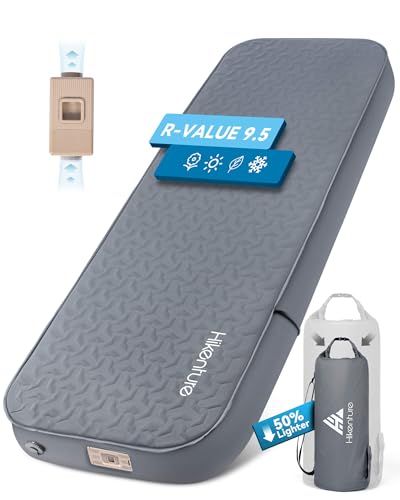
Hikenture Self Inflating Sleeping Pad
What We Like
- Built-in electric pump inflates in 90 seconds
- High 9.5 R-value for all-season insulation
- 4-inch foam resists bottoming-out for side sleepers
- Whisper-quiet, stretch-knit fabric surface
Trade-offs
- At 5.4 pounds, it is heavier than many backpacking pads
- Requires a power source for the electric pump function
A built-in electric pump inflates the pad in 90 seconds, which makes camp setup quick and hands-free. Its 4-inch thickness provides adaptive support to cradle hips and shoulders, a clear benefit for side sleepers. With an R-value of 9.5, it provides a substantial barrier against cold ground.
At 5.4 pounds, this pad is heavier than many mats designed for long-distance hiking. It does come with a travel bag that fits in airplane overhead bins, which aids transport. For car camping or trips where weight is less critical, the quick inflation and thick comfort justify the mass.
Product photos
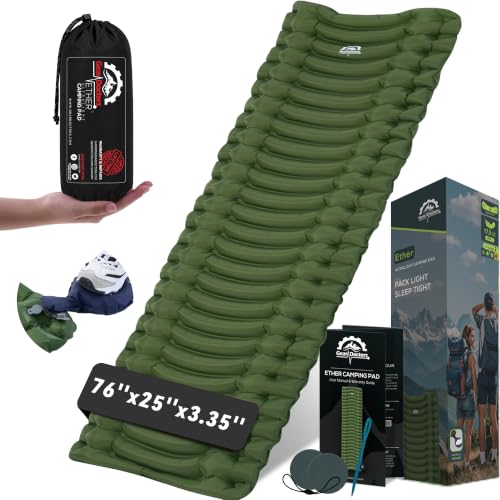
Gear Doctors Ether Ultralight Sleeping Pad
What We Like
- Packs to the size of a water bottle
- 90-second lung-free inflation with foot pump
- Lifetime replacement guarantee
- ErgoCushion U-shape design for side sleepers
Trade-offs
- 2 R-value limits it to spring and summer use
At 17.5 ounces and the packed size of a water bottle, the Gear Doctors Ether Ultralight makes a compelling case for backpackers who count every gram. Its clever foot pump means you can have it ready in under ninety seconds without getting lightheaded, and the ErgoCushion design provides a stable, hugging surface that prevents side sleepers from bottoming out. This is a pad for the weight-conscious adventurer who prioritizes compactness and a quick, comfortable setup on three-season trails.
Its extreme portability comes at the cost of warmth. With an R-value of 2, it’s strictly a warm-weather pad, unlike the insulated Sea to Summit Ether Light XR Pro. You also sacrifice some plushness, as the center tapers to just over two inches, which might not be enough cushion for those who need deep pressure relief. For side sleepers on summer backpacking trips where space is the ultimate luxury, however, its design and packability are hard to beat.
Product photos
How We Evaluated Camping Mattresses For Side Sleepers
Our research focused on manufacturer specifications, expert analysis from outdoor gear round-ups, and consistent patterns in owner reviews. We prioritized criteria that directly impact a side sleeper’s rest: thickness and construction for pressure relief, width and stability for shifting positions, and insulation value (R-value) for warmth across seasons.
We also considered practical factors like inflation method and packed size, which affect convenience and trip suitability. This research-based approach provides a strong comparative overview, but we acknowledge that personal comfort preferences can vary, and long-term durability is best assessed through extended real-world use.
What To Look For In Camping Mattresses For Side Sleepers
Choosing the right pad means balancing cushioning for your pressure points with the practical demands of your camping style. Thickness, internal design, and warmth are the most critical factors.
For side sleepers, prioritize a pad at least 3 inches thick with a stable, non-bouncy top surface. Look for an R-value above 4 for three-season use, and consider a width of 25 inches or more if you tend to shift during the night.
Thickness And Stability
Adequate thickness is non-negotiable to prevent your hip and shoulder from bottoming out on the ground. Look for a minimum of 3 inches, with 3.5 to 4 inches offering a significant comfort boost for most side sleepers. Stability is equally important; some air pad designs can feel unstable or “bouncy,” which disturbs sleep.
Pads with horizontal baffles, interconnected air cells, or integrated foam layers typically provide a more stable, mattress-like feel. Our research into best camping mattresses for back pain shows that similar stability features benefit all sleepers needing pressure relief.
Insulation (R-Value)
The R-value measures a pad’s resistance to heat loss. A higher number means more warmth from the cold ground. For summer camping, an R-value of 2 or 3 may suffice.
For three-season use, aim for an R-value of 4 or higher. If you camp in cold spring or fall conditions, or are a cold sleeper, look for values between 6 and 7. For true winter camping, you’ll need a pad with an R-value of 7 or more.
This insulation is separate from your sleeping bag’s rating. A good resource on backpacking sleeping pads often details how R-values correlate with seasonal use.
Width And Construction
The standard 20-inch width can feel restrictive for side sleepers, whose elbows and knees may slide off the edge. A wide model (25 inches or more) provides a more secure platform. Internal construction dictates support and feel.
Vertical baffles can create a stable wall but may feel segmented. Horizontal baffles often provide a flatter, more even surface. Unique designs, like the hexagonal cells in our top pick, aim to contour around pressure points.
For couples, a dedicated double pad or a pair of connectable singles, like those featured in our guide to couples camping mattresses, can prevent a gap from forming between two separate pads.
Inflation And Packed Size
Consider how you’ll inflate the pad. Self-inflating models with foam cores are simple but heavier and bulkier. Manual inflation with a pump sack is common for lightweight inflatables. Some pads now include integrated electric or foot pumps for ultimate convenience. Packed size and weight are directly tied to your camping style. Car campers can prioritize comfort and thickness, accepting a larger bundle. Backpackers must scrutinize every ounce and liter; our research on lightweight camping mattresses focuses on this trade-off. Always check the manufacturer’s packed dimensions and weight.
- Use the pad at home first to dial in your preferred firmness.
- Lie on your side for several minutes to check for hip bottoming-out.
- Ensure the valve system allows for fine-tuning air pressure.
- Listen for excessive crinkling noise when you move.
- Verify the pad’s length is sufficient for your height.
A thicker, wider pad with a stable top surface will almost always improve comfort for a side sleeper, but it often comes at the cost of increased weight and bulk.
Camping Mattresses For Side Sleepers Compared
The following table compares key specifications across all ten picks to help you see the differences at a glance.
| Product | Thickness | Weight | Inflation Method |
|---|---|---|---|
| Sea to Summit Ether Light XR Pro Insulated Sleeping Pad | 3.9 inches | 1.6 pounds | Airstream Pumpsack |
| Therm-a-Rest MondoKing 3D Self-Inflating Camping Pad | 4.25 inches | 4.38 pounds | Self-inflating |
| NEMO Equipment Roamer Sleeping Pad | 4-inch-thick | 7.0 pounds | Self-Inflating |
| NEMO Equipment Astro Insulated Sleeping Pad | 3.5 inches | 1.6 pounds | N/A |
| Sea to Summit Comfort Deluxe Self-Inflating Mattress | 3.9 inches | 4.2 pounds | Self-inflating |
| OGERY Self-Inflating Sleeping Pad | 3.1 inches | 6.0 pounds | Self-inflating with foot pump |
| Oramoose 4-Inch Camping Sleeping Pad | 4.0 inches | 1.8 pounds | Built-in foot pump |
| Therm-a-Rest NeoAir Xlite NXT Sleeping Pad | 3.0 inches | 1.0 Pounds | WingLock |
| Hikenture Self Inflating Sleeping Pad | 4 inches | 5.4 pounds | Built-in electric |
| Gear Doctors Ether Ultralight Sleeping Pad | 2.36 inches | 17.5 oz | Detachable foot pump |
Frequently Asked Questions
What is the best camping mattress for side sleepers?
Our research points to the Sea to Summit Ether Light XR Pro Insulated Sleeping Pad as the best overall for side sleepers. Its unique Air Sprung Cell construction provides exceptional, stable cushioning for hips and shoulders, and its high R-value of 7.4 ensures warmth in cold conditions. It balances these comfort features with a reasonable packed size for backpacking.
What firmness of mattress is best for a side sleeper?
Side sleepers generally need a medium-firm to firm surface that provides stable support without allowing the hip to sink too deeply. A pad that is too soft will let your spine sag out of alignment, while one that is overly rigid can create pressure points. The ideal firmness is one you can adjust via inflation to keep your spine level while cushioning your shoulder and hip.
What is the best mattress to sleep on for camping?
The “best” mattress depends entirely on your primary camping style. For backpacking side sleepers, a lightweight inflatable pad around 3.5 inches thick with good insulation is ideal. For car camping, a thick, self-inflating or foam-core pad offers near-bed-like comfort. Our broader guide to camping sleeping pads explores options for every scenario.
How thick should a camping mattress be for a side sleeper?
A minimum of 3 inches of loft is recommended to prevent your hip from contacting the ground. Many side sleepers find a significant comfort improvement with pads that are 3.5 to 4 inches thick or more. This extra depth provides a greater margin for pressure relief, especially on uneven ground.
Can a regular air mattress be used for side sleeping?
A basic, uninsulated air mattress is often unsuitable for side sleeping outdoors. It typically lacks sufficient cushioning, has no insulation (R-value), and can feel unstable and bouncy. For occasional car camping, a thicker, dedicated camping mattress with structured internal support, like many self-inflating camping mattresses, is a far better choice for support and warmth.
The Bottom Line
The Sea to Summit Ether Light XR Pro Insulated Sleeping Pad is the best overall choice for side sleepers who need reliable warmth and exceptional pressure relief. It doesn’t sacrifice too much pack space, making it ideal for cold-weather backpacking. If your budget is tight, the OGERY Self-Inflating Sleeping Pad provides stable foam support at a much lower cost. Car campers seeking ultimate luxury should consider the exceptionally thick Therm-a-Rest MondoKing 3D. Regardless of your final pick, ensuring the pad has enough thickness and stable support for your hips and shoulders is the single most important factor for a restful night.
