
10 Best Mattress Toppers For Bed Sores in 2026
This post contains affiliate links. As an Amazon Associate, we earn from qualifying purchases.
Our top pick for a mattress topper for bed sores is the Platinum Health Roho Prodigy Mattress Overlay, which offers deep, static pressure redistribution without powered parts. For advanced stage 3 ulcers, we recommend the Therahab Alternating Air Pressure Mattress, while the Vive Alternating Air Pressure Pad is a top doctor-recommended choice.
Selecting the right pressure-relief topper can be critical for a bedridden patient’s skin integrity and comfort. The wrong choice may fail to redistribute weight effectively, risking further skin breakdown. This guide is based on research into product specifications, medical-grade features, and patterns in caregiver feedback. We compare ten toppers across key criteria to help you choose with confidence.
Top 10 Mattress Toppers for Bed Sores in the Market
Certain content that appears on this site comes from Amazon. This content is provided "as is" and is subject to change or removal at any time.
The Best Mattress Toppers for Bed Sores, Reviewed
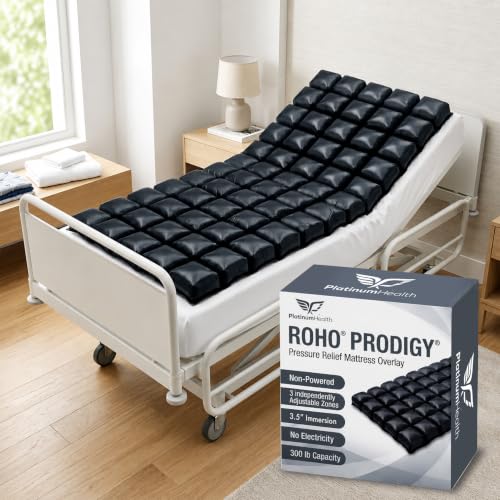
Platinum Health Roho Prodigy Mattress Overlay
What We Like
- 3.5-inch depth prevents bottoming out
- Three independently adjustable pressure zones
- No maintenance, moving parts, or noise
- Made and serviced in the USA
Trade-offs
- Height of 7.9 inches significantly raises sleeping surface
- Requires careful measurement of user and environment prior to ordering
A 3.5-inch depth of immersion means this overlay won’t bottom out under a patient’s weight, which is the most critical factor for preventing new pressure sores and healing existing ones. It’s built for someone who needs hospital-grade, non-powered protection and can benefit from customizing pressure in three separate body zones. The complete lack of electricity, filters, or moving parts makes it a permanent, silent solution for a home bed, free from the tripping hazards and maintenance of an air pump system.
The Prodigy’s 7.9-inch height is substantial, so you’ll need to check bed rail compatibility and it may complicate patient transfers. Unlike powered alternating pressure pads, this overlay has no moving parts and uses a non-powered design, relying on its 3.5-inch depth-of-immersion and three independently adjustable zones for pressure relief. For caregivers seeking a maintenance-free system, this means there are no pumps, filters, or electrical cords to manage.
Product photos
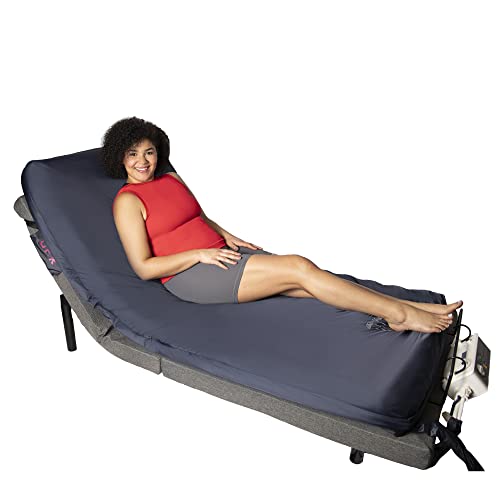
Therahab Alternating Air Pressure Mattress
What We Like
- Alternating 17-cell system for stage 3 ulcer relief
- Hospital-grade low air loss and alternating pressure
- Waterproof, quilted, and cleanable zippered cover
Trade-offs
- Medical-grade system may exceed needs for early-stage prevention
- Requires a power outlet for continuous operation
A system of 17 air cells that alternate pressure every 12 minutes directly addresses the need to redistribute weight and enhance circulation for stage 3 ulcers. This isn’t just cushioning; it’s an active medical intervention designed for bedridden patients, merging alternating air pressure with low air loss technology. The hospital-grade construction and the option for a professional fitting session signal a product built for a serious, ongoing care situation where skin integrity is the primary concern.
Designed specifically for stage 3 pressure ulcers, the Therahab mattress provides a medical-grade solution for advanced wound care at home. Its system of 17 alternating air cells continuously shifts pressure points, which is crucial for preventing further skin breakdown and promoting circulation. The waterproof quilted cover simplifies cleaning, a practical benefit for managing incontinence or spills. This product is built for a specific clinical purpose, unlike general preventative overlays.
Product photos
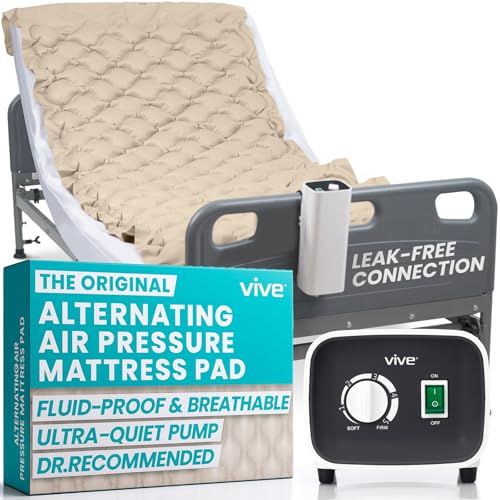
Vive Alternating Air Pressure Mattress Pad
What We Like
- 130 air cells with alternating pressure algorithm
- Extremely quiet 22 dBA pump operation
- Waterproof vinyl construction for durability
- Secure fit with top and bottom flaps
Trade-offs
- 33-inch width suits twin beds, not standard mattresses
- Six-minute pressure cycle may be too slow for some needs
- Requires an electrical outlet for continuous operation
A pump that operates at just 22 dBA ensures the alternating pressure therapy runs quieter than a whisper, so it won’t disturb a patient’s restful sleep. This mattress pad is designed for immobilized, bedridden patients who cannot shift their weight frequently. Its 130 air cells alternately inflate and deflate in a wave-like cycle to evenly distribute weight and eliminate pressure spots, directly addressing the cause of bed sores and ulcers.
The 33-inch width is a deliberate choice for a hospital bed or a twin mattress, but it will leave gaps on a standard double or queen. If your main concern is a wider sleeping surface, the MedVance Alternating Air Pressure Mattress Pad offers a 35.4-inch width. The Vive pad trades that universal fit for a system engineered around a single, critical task: providing consistent, silent pressure relief for a bedridden individual.
Product photos
HEALTHLINE Wave Gel Overlay Mattress

What We Like
- Full-length gel bladders prevent bottoming out
- Convoluted foam improves comfort and air circulation
- Upgraded 300 lb weight capacity
- Elastic straps secure it to the mattress
Trade-offs
- The 3.5-inch profile reduces bed height less than thinner pads.
A 300-pound weight capacity and full-length gel bladders are the core of this overlay, designed to redistribute pressure across the entire body and minimize the pitting that can lead to sores. It suits someone looking for a non-powered, maintenance-free layer that adds substantial cushioning and improved air circulation directly where the patient makes contact, which is why it stands out in the gel category.
The trade-off is heft and profile. At 18 pounds, it’s a more substantial piece to manage than a 7-pound air pad like the Vive Alternating Air Pressure Mattress Pad. You’re choosing the consistent, quiet support of gel over the adjustable, ultra-lightweight portability of an air system. For a bed-bound patient where power outlets or pump noise are a concern, this gel overlay is a straightforward, reliable choice.
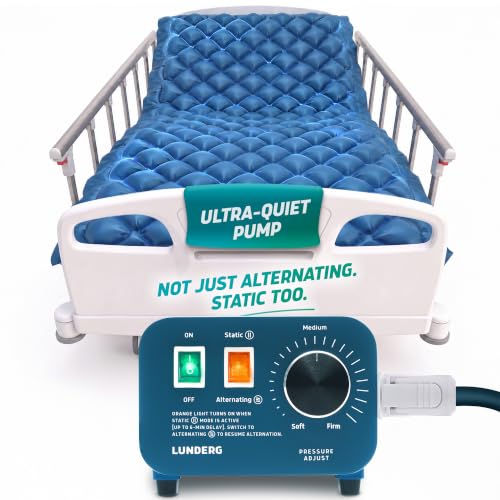
Lunderg Alternating Air Pressure Mattress Pad
What We Like
- Quiet 23 dBA pump for undisturbed rest
- Static Mode provides a stable, firm surface
- Waterproof and durable for long-term care
- Quick connector for easy setup
Trade-offs
- Requires a 20-minute initial inflation period
- Needs an outlet for the electric pump
- Cover pad requires a separate sheet over it
A 23 dBA pump is the quiet hum of a device that won’t keep anyone awake, which matters when the goal is uninterrupted healing sleep. The Lunderg pad suits caregivers who need a medical-grade alternating system but also want the option to lock the air cells into a single, firm surface. Its Static Mode is the key, offering a break from the constant motion for patients who find the alternation unsettling or for times when a stable base is simply preferred.
Its setup requires planning, as the pad needs a 20-minute inflation cycle before the patient can use the bed. Unlike non-powered alternatives such as the Platinum Health Roho Prodigy overlay, this system requires an electrical outlet and has an initial wait. It suits those dedicated to an active prevention routine who also value the quiet pump and the option to pause alternation.
Alcedo Alternating Air Pressure Mattress Pad
What We Like
- Medical-grade alternating pressure for bedsore prevention
- Ultra-quiet pump with five firmness settings
- Durable, waterproof surface supports easy cleaning
- FSA/HSA eligible for healthcare savings
Trade-offs
- The 35-inch width may not fully cover wider standard beds
- Pump requires a nearby outlet and secure mounting
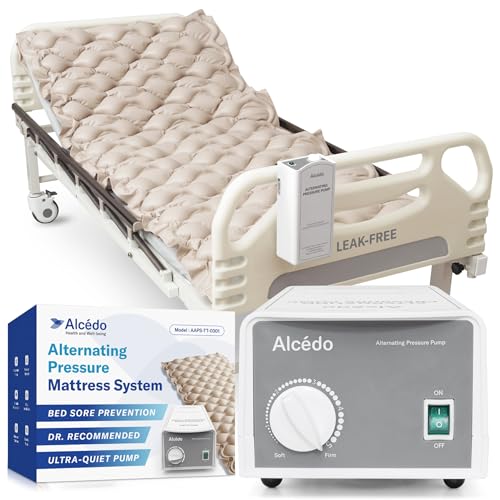
With a capacity supporting up to 300 pounds and alternating pressure technology intended to improve circulation and relieve pressure, this pad is designed for bed sore prevention for bedridden individuals. Its pump has five adjustable settings for customizing firmness and operates quietly, aiming for an undisturbed sleep environment. The waterproof surface is meant for easy cleaning in home care settings.
The Alcedo focuses purely on pressure redistribution, so its profile adds no plushness to the mattress. If you need a combination of pressure relief and a softer sleeping surface, a gel-infused foam topper like the ProHeal is a different approach. For a hospital bed where the overlay needs to sit within a frame, the low-profile design works, but the uninflated edges must be tucked tightly to stay secure.
Foam Global Airflow Foam Mattress Topper

What We Like
- CertiPUR-US foam free from harmful chemicals
- Convoluted foam aids pressure relief and air circulation
- Lightweight at 3.1 pounds for easy handling
Trade-offs
- Only 2 inches thick
- Weighs 3.1 pounds
A two-inch layer of convoluted, medical-grade foam certified free of harmful chemicals makes this topper a straightforward choice for basic pressure redistribution. The CertiPUR-US certification indicates the foam is made without certain harmful substances. Its egg crate pattern is described as aiding air circulation, and the entire unit is notably light at just over three pounds, so moving it for cleaning or adjustment requires little effort.
The trade-off is its relative simplicity. It provides passive support and airflow, but lacks the active pressure relief of an alternating air system like the Vive Alternating Air Pressure Mattress Pad. For someone at a higher risk or already managing bed sores, that static foam support may not be enough. This topper works best as a preventative measure on a decent mattress, not as a replacement for a therapeutic overlay in more advanced cases.
Product photos
ProHeal Gel Infused Foam Mattress Topper

What We Like
- Gel bladders maintain room temperature
- Fluid-resistant, vapor-permeable top cover
- Elastic corner straps secure the topper
- Horizontal gel bladders prevent bottoming out
Trade-offs
- At 34 inches wide, it fits only hospital beds
- Non-powered design offers static pressure relief
A 3.5-inch profile of gel-infused foam creates a dedicated medical surface for pressure redistribution. This makes the ProHeal topper a focused choice for someone managing bed sores at home, where its gel bladders work to keep skin cool and its two-layer foam aims to halt further tissue damage. It suits a caregiver looking for a durable, non-electric overlay that promises a consistent therapeutic environment.
This is a static support system, unlike alternating air pads that cycle pressure points. It provides a single, unchanging surface, so repositioning the patient remains entirely manual. You get a straightforward, maintenance-free layer built for long-term comfort rather than dynamic treatment.
Product photos
MedVance Alternating Air Pressure Mattress Pad

What We Like
- Ultra-quiet digital pump under 20 dB
- Automatic 6-minute alternating pressure cycles
- Waterproof, medical-grade vinyl construction
- Fits most standard hospital beds
Trade-offs
- 2.8-inch profile offers less loft than some gel overlays
- Requires a power outlet for the pump
A pump that runs under 20 dB is the main event here, turning a clinical device into something that won’t disrupt a light sleeper’s rest. This makes the MedVance pad a strong candidate for home care, where the machinery needs to fade into the background. Its automatic six-minute pressure cycle is designed to methodically redistribute weight, which is the core function for preventing new ulcers and aiding recovery.
Its low 2.8-inch profile means this pad adds less cushioning height than some overlays, focusing on its dynamic pressure system rather than deep plushness. For someone needing active pressure relief with minimal noise, the alternating system is the core benefit. A person requiring more substantial cushioning from a product like the HEALTHLINE Wave Gel Overlay, which is 3.5 inches thick, would find a different balance of support.
VOCIC Alternating Air Pressure Mattress Pad
What We Like
- High-resilience air cells prevent bottoming out up to 440 lbs
- Upgraded ceramic pump runs at a whisper-quiet 45 dB
- Professional-grade CPR rapid-deflation system for safety
- Premium nylon polyether TPU fabric is waterproof and durable
Trade-offs
- 4-inch inflated height may require deep-pocket sheets
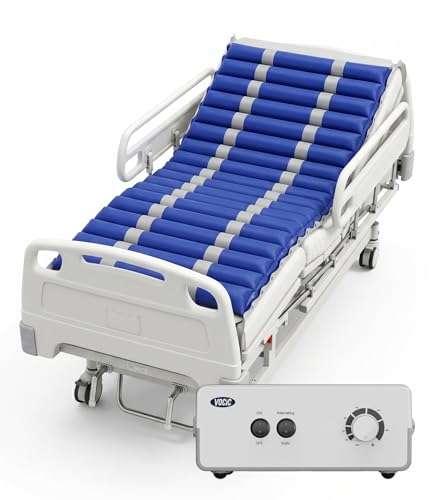
A 440-pound weight capacity means this pad can confidently support larger individuals without the air cells collapsing, a critical factor for effective pressure redistribution. Its upgraded ceramic pump runs at a quiet 45 dB, so it won’t disrupt sleep, and the one-touch static mode firms the entire surface instantly for easier patient care. This combination of high-capacity support and practical care features makes it a strong candidate for home caregivers managing a heavier patient who needs a stable, alternating pressure system.
Compared to the wider Vive Alternating Air Pressure Mattress Pad, the VOCIC offers a higher weight rating and the unique CPR deflation feature, but sacrifices some lateral coverage. You’re choosing superior load-bearing and emergency-ready function over maximum surface area.
Product photos
How We Evaluated Mattress Toppers for Bed Sores
Our evaluation began with a review of manufacturer specifications and medical equipment documentation to understand each topper’s design intent and technical capabilities. We cross-referenced these details with expert round-ups and focused on recurring themes in owner feedback, particularly from caregivers, regarding durability, ease of use, and effectiveness in pressure relief.
The most important criteria were the type of pressure redistribution (alternating vs. Static), the topper’s depth and capacity to prevent “bottoming out,” and its suitability for different stages of pressure ulcer risk. We also prioritized practical factors like noise levels for powered units, waterproofing for hygiene, and accurate sizing for proper fit on hospital or home beds.
A limitation of this research-based approach is that individual clinical outcomes or long-term durability cannot be verified. The recommendations rely on the aggregate data available from product literature and user reports, which provides a strong basis for comparison but cannot guarantee a specific result for every user. For example, specifications for weight capacity and pump decibel levels are best verified with the manufacturer.
What To Look For In Mattress Toppers for Bed Sores
Choosing a topper for pressure sore prevention involves more than just added cushioning. The goal is sustained, effective pressure redistribution to protect vulnerable skin. Key considerations include the patient’s level of immobility, the stage of any existing ulcers, and the practicalities of the care environment. Our guide on how to choose a mattress topper outlines a general framework that applies here.
Key criteria: Match the topper type to the patient’s risk level. Alternating pressure systems are for high-risk or advanced ulcers. Static overlays (gel, foam, air) suit lower-risk prevention. Check depth and weight capacity to prevent bottoming out, and ensure the size fits your bed.
Type of Pressure Relief
The core decision is between an alternating pressure system and a static overlay. Alternating pressure toppers use an electric pump to cycle air through cells, constantly shifting pressure points; these are medically specified for treating stage 3 ulcers and are a standard feature in many alternating pressure mattresses. Static overlays, like gel or dense foam toppers, provide consistent cushioning and are better suited for prevention or early-stage sores. The choice depends on the patient’s specific clinical needs and a doctor’s recommendation.
Depth and Weight Capacity
A topper must be thick enough so the patient’s bony prominences do not press through to the hard mattress beneath, a phenomenon called “bottoming out.” Look for depths of at least two inches, with three and a half inches being common for medical-grade overlays. Equally important is the stated weight capacity. A topper rated for three hundred pounds may not adequately protect a patient nearing that limit, so high-capacity models offer a greater safety margin for effective pressure redistribution.
Fit and Practical Features
Accurate sizing is non-negotiable. Many medical toppers are designed for standard 34-inch or 35-inch wide hospital beds, not wider home mattresses. Measure your bed first. For powered units, consider the pump’s noise level (measured in decibels) for undisturbed rest and the availability of features like a static mode or rapid deflation for emergencies. Waterproof, cleanable covers are essential for hygiene. Our review of hospital bed mattress toppers highlights many of these practical concerns for medical settings.
- Confirm the exact width and length of the topper matches your mattress.
- For alternating pressure pads, note the pump’s decibel rating and cycle time.
- Check if the cover is removable and waterproof for easy cleaning.
- Ensure there is a nearby power outlet for any electric pump.
- Verify the installation method, such as elastic straps or flaps, for secure placement.
A topper that doesn’t fit properly or can’t be kept clean undermines its therapeutic purpose.
Mattress Toppers for Bed Sores Compared
The following table compares our top picks side-by-side across critical features like pressure type, depth, and key strengths to help you see the differences at a glance.
| Product | Pump Noise Level | Waterproof | Thickness/Dimensions |
|---|---|---|---|
| Platinum Health Roho Prodigy Mattress Overlay | No electricity | N/A | 3.5 inches |
| Therahab Alternating Air Pressure Mattress | Whisper quiet | Waterproof quilted zipper | N/A |
| Vive Alternating Air Pressure Mattress Pad | 22 dBA | Waterproof | 3.0 inches |
| HEALTHLINE Wave Gel Overlay Mattress | N/A | N/A | 3.5 inches |
| Lunderg Alternating Air Pressure Mattress Pad | 23 dBA | Yes | N/A |
| Alcedo Alternating Air Pressure Mattress Pad | Ultra-Quiet | Waterproof | N/A |
| Foam Global Airflow Foam Mattress Topper | N/A | N/A | 2 inches |
| ProHeal Gel Infused Foam Mattress Topper | N/A | N/A | 3.5 inches |
| MedVance Alternating Air Pressure Mattress Pad | Under 20 dB | Yes | 2.8 inches |
| VOCIC Alternating Air Pressure Mattress Pad | 45 dB | Waterproof | 4.0 inches |
Frequently Asked Questions
Are mattress toppers good for bed sores?
Yes, specifically designed mattress toppers can be very effective for both preventing and managing bed sores. They work by redistributing body weight away from bony pressure points like the heels, hips, and tailbone. Medical-grade overlays, whether alternating pressure or static gel, are engineered for this purpose, unlike standard comfort toppers.
Which mattress topper is effective in reducing pressure sores?
The most effective type depends on the patient’s risk level. For high-risk patients or those with advanced (stage 3) ulcers, an alternating pressure mattress topper with a pump is most effective. For lower-risk prevention, a deep, high-density static overlay made of gel or medical-grade foam can provide effective, consistent pressure relief.
What heals bed sores the fastest?
Healing bed sores fastest requires a comprehensive medical plan prescribed by a healthcare professional. This always includes complete pressure relief from the affected area, which is where a specialized support surface like an alternating pressure mattress or overlay plays a critical role. It must be combined with proper wound care, nutrition, and frequent repositioning.
What type of mattress is most effective for treating pressure sores?
For active treatment, alternating pressure mattresses or overlay systems are considered most effective. These dynamic surfaces constantly change pressure points, promoting blood flow and reducing sustained pressure on any one area. This is a different category from a standard mattress; you can explore dedicated options in our resource on best mattresses for bed sores.
Is a gel or foam topper better for pressure relief?
Both can be effective, but gel overlays often incorporate fluid-filled bladders that are particularly good at preventing bottoming out and staying cool. High-density convoluted foam improves air circulation. The choice between them often comes down to the specific product’s construction and depth, as explored in our guide to types of mattress toppers.
The Bottom Line
The Platinum Health Roho Prodigy Mattress Overlay is our best overall pick for its durable, non-powered design that provides deep, reliable pressure redistribution, making it a strong choice for long-term prevention and pain management. For caregivers dealing with advanced stage 3 ulcers, the Therahab Alternating Air Pressure Mattress is the specialized tool needed, while budget-conscious buyers should consider the certified Foam Global Airflow Foam Mattress Topper for basic relief.
No single product is right for every situation. Your decision must start with the patient’s specific medical needs and risk level, then factor in the bed size, required weight capacity, and care environment logistics. Getting the right fit and type is the most important step in providing effective pressure relief and supporting skin health.
