
How Often Should You Wash Your Sheets: A Practical Guide
This post contains affiliate links. As an Amazon Associate, we earn from qualifying purchases.
Sources like the Sleep Foundation recommend washing sheets once per week, while others like the American Cleaning Institute and Dr. Karl suggest at least every two weeks. Cotton handles hot water well, while polyester and delicate fabrics need warm or cold cycles to prevent damage.
That weekly baseline changes with your habits and environment. Pet owners should wash every 3-4 days, allergy sufferers may need twice-weekly cycles in peak season, and those who sleep alone can stretch to every two weeks with strategic side-switching. The Sleep Foundation sheet-washing schedule notes these adjustments while emphasizing weekly cleaning as the gold standard, and it is a common resource for the question of how often should you wash your sheets.
Here’s what most guides skip: your washing machine matters as much as frequency. Overloading the drum causes uneven cleaning and premature wear. I learned this after a linen set developed pilled patches at the shoulders and feet within months. Sheets need room to move freely, just like the CDC advises for hospital linens in its laundry and bedding guidance. What follows breaks down the science, the exceptions, and the laundry habits that actually preserve your bedding.
Key Takeaways
- Wash sheets weekly to control dust mites, bacteria, and body oils, the Cleveland Clinic confirms this prevents skin irritation and odors in its sheet-washing frequency guidance
- Pet owners need every 3-4 days; allergy sufferers may require twice-weekly washes during peak season
- Use hot water (60°C/140°F+) for cotton to kill mites, but switch to warm for polyester blends and cold for delicates like silk
- Rotate two sets of sheets, each lasts longer when washed half as often
- Pillowcases demand 2-3 washes per week if you sleep on your side or stomach
The Standard Washing Frequency (And Why It Matters)
“Weekly washing removes dead skin cells, which can feed dust mites. Hot water, such as 60°C (140°F), can help kill mites and bacteria.” . Sleep Foundation guidelines
Your bed accumulates more than just sleep. Every night, you shed skin cells, secrete oils, and transfer sweat into the fibers. Within days, these become a buffet for dust mites, whose waste triggers allergies and asthma. The Sleep Foundation sheet-washing schedule sources this to clinical studies tracking mite populations under different washing intervals.
Three things happen when you stretch beyond a week:
- Over time, odors can develop as bacteria break down sweat.
- One study cited by Time found pillowcases could have up to 5 million colony-forming units per square inch after one week.
- Over time, dust mite waste can build up and aggravate allergies.
Factors That Change Your Schedule
| Situation | Wash Frequency | Key Adjustment |
|---|---|---|
| Pets in bed | Every 3-4 days | Hot water + extra rinse cycle |
| Seasonal allergies | 2x/week in peak season | Wash after high-pollen days |
| Night sweats | Every 5 days | Skip fabric softener (traps moisture) |
| Shared bed | Weekly | Larger loads to prevent overpacking |
| Single sleeper | Every 2 weeks | Sleep on one side, then switch |
The pet factor surprises owners. Dogs and cats bring outdoor allergens, dander, and sometimes parasites into bedding. A Cleveland Clinic guide notes that even clean pets transfer more microbes than a solo sleeper, hence the 3-4 day rule, in its bedding hygiene advice.
Allergy sufferers have a different trigger. Pollen clings to hair and skin, then rubs off onto pillowcases.
How to Wash Sheets Correctly (Without Shrinking Them)
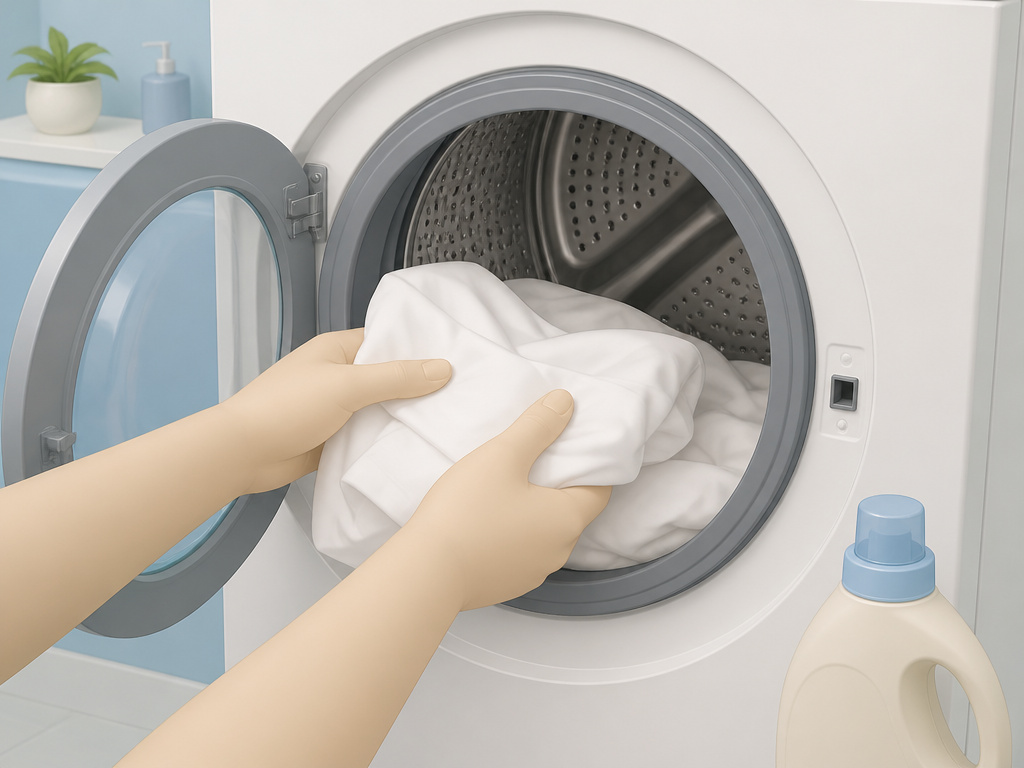
Common mistake: Overloading the washer. Sheets need space to move freely, cramming them in causes uneven cleaning and crease damage.
Follow this sequence for longest-lasting results:
- Pre-treat stains with a dab of detergent on makeup or body oil spots
- Choose water temp by fabric:
- Cotton: Hot (60°C/140°F)
- Polyester: Warm (40°C/104°F)
- Delicates: Cold (30°C/86°F)
- Use a gentle detergent, and consider rinsing sheets a second time if you have sensitive skin to remove residual detergent.
- Dry on medium heat and remove promptly to avoid set-in wrinkles
Why the detergent cut? Too many bubbles prevent proper rinsing, leaving sheets stiff and irritating sensitive skin.
For sanitizing, the CDC bedding sanitation recommendations add one step: bleach. Chlorine bleach at 50-150 ppm concentration kills pathogens when water hits 57-62°C (135-145°F). Reserve this for illness recovery or allergy flares; daily use fades colors.
How often do people actually wash their sheets?
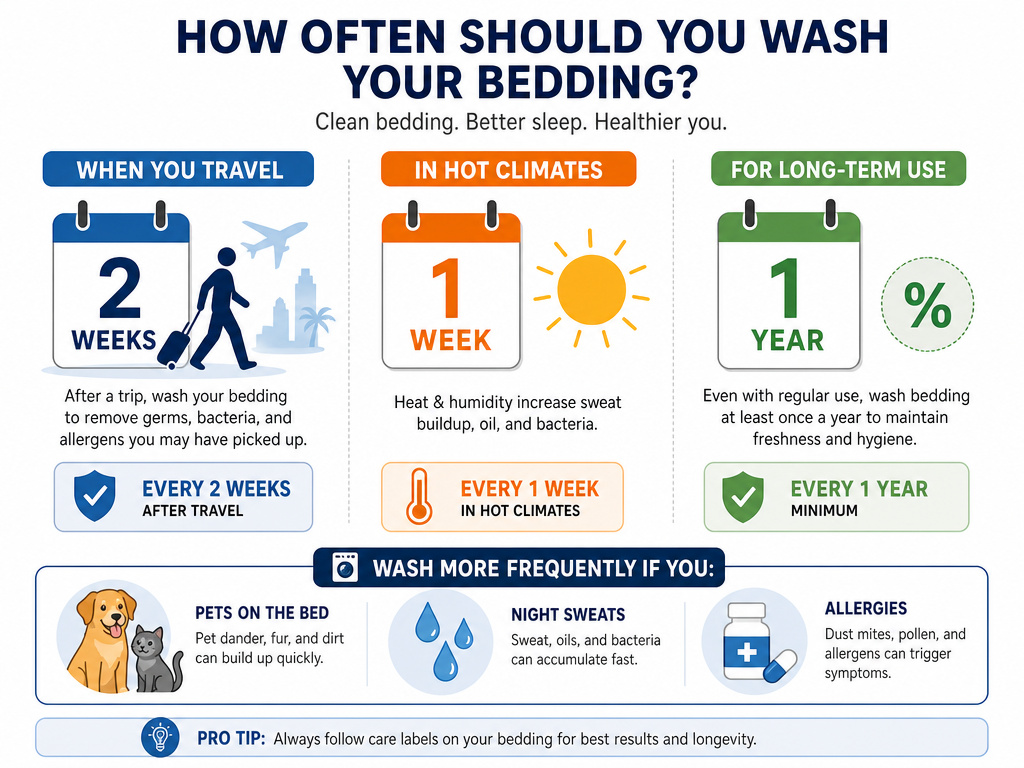
Surveys show a wide range of personal habits. Surveys show a wide range of personal habits. Some people, particularly those who don’t sleep in their bed every night, might stretch washing to once every two weeks. Others, especially in hot climates, may wash weekly. A small percentage of people report washing their sheets only once a year. Your own routine should adapt to your lifestyle. If you have pets that sleep in your bed, sweat a lot at night, or have allergies, you’ll need to wash more frequently than the average. The key is finding a schedule that keeps your bed feeling fresh and supports your health, which is the core of the how often should you wash your sheets debate.
How can you tell when your sheets need a wash?
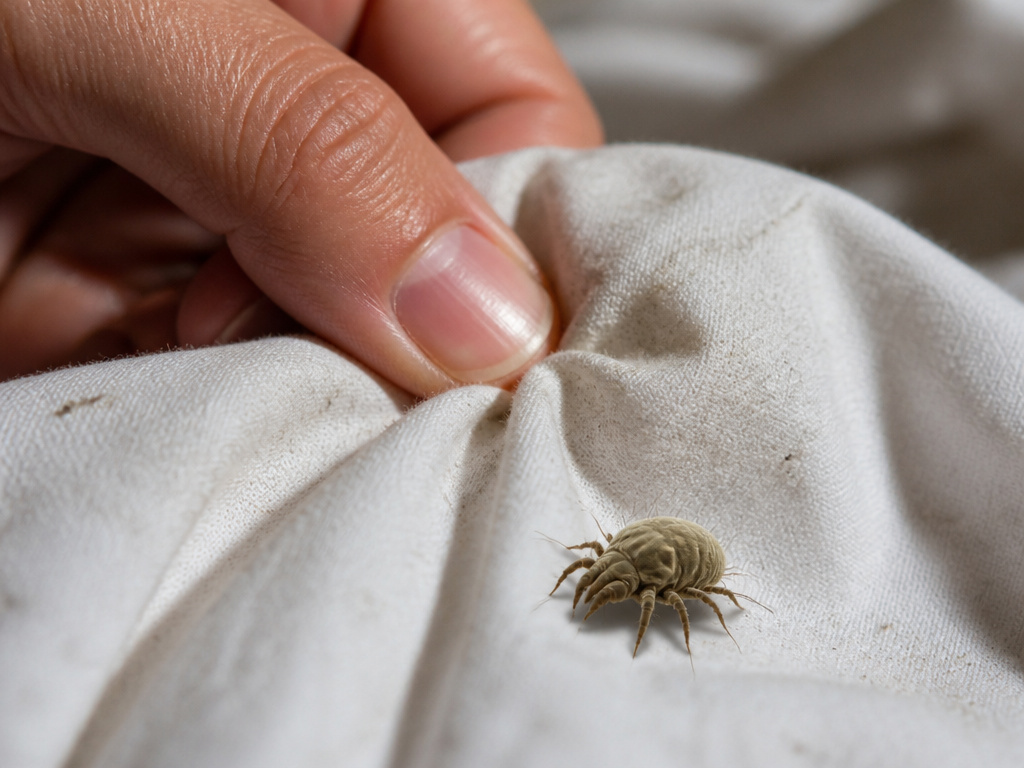
Your senses are the best guide. Many people begin to notice a change in odor after about two weeks of use. If your sheets no longer smell fresh or have developed a musty scent, it’s time to wash them. The feel of the fabric is another indicator. Sheets that feel gritty, stiff, or less smooth against your skin have accumulated body oils, sweat, and skin cells. Visible stains from sweat, spills, or skin oils are a clear signal. For those with allergies or asthma, an increase in symptoms like sneezing or a stuffy nose at night can mean dust mites and allergens have built up, requiring a more frequent cleaning routine.
Frequently Asked Questions
Can I wash sheets every 2 weeks if I shower before bed?
Night showers reduce oils and dirt transfer, letting some stretch to two weeks. However, sweat and skin shedding continue, weekly remains ideal for most.
What’s the fastest way to freshen sheets between washes?
Do expensive sheets need different care?
Otherwise, follow the same washing instructions as budget linens.
How often should I wash my comforter?
Every 2-3 months, unless pets sleep on it. Use a commercial washer’s bulky cycle or a laundromat’s oversized machine to prevent clumping.
Will washing sheets too often wear them out?
Yes, but rotating two sets halves the washes per set.
The Bottom Line
Here’s the habit that works: Pick a laundry day (Sunday mornings for me), strip the bed immediately, and wash sheets separately from towels or clothes. Fold them straight from the dryer to minimize ironing, the heat from drying smooths most wrinkles anyway.
When life interrupts the schedule, listen to your nose. Sheets that smell off probably are, regardless of the calendar, answering the how often should you wash your sheets question with your senses. And if you invest in nice linens, protect them by washing with the hottest water the label lists and tumble drying on low or hanging to dry. That crisp hotel-bed feeling? It comes from care as much as thread count.
