How to Choose Bed Sheets: Fabric, Weave, and Fit
This post contains affiliate links. As an Amazon Associate, we earn from qualifying purchases.
Picking sheets is about matching three things: fiber type, weave style, and your mattress depth. According to Consumer Reports, cotton sheets can shrink by 6% after washing, so deep pockets need extra allowance. Linen beats cotton for hot sleepers, cutting nighttime wake-ups by 23% in studies. The right set balances breathability, durability, and fit, ignore thread count hype above 350.
Most guides treat thread count as the holy grail. They’re wrong. Fiber length and weave determine how sheets feel and wear far more than how many threads get crammed into a square inch. That L.L.Bean 280-thread-count percale outlasting cheaper 800-count sheets? It’s not magic, it’s longer fibers woven tight. A key part of how to choose bed sheets is understanding this.
Here is what follows: a fabric decoder (cotton vs linen vs synthetics), the weave styles that change everything (percale’s crispness, sateen’s silkiness), and how to measure for a fit that survives the dryer. One table settles the “deep pocket” debate, another shows which certifications actually matter, and a final warning explains why bamboo isn’t as green as you think.
Key Takeaways
- Measure your mattress first, Consumer Reports states that most sheets can fit a 10-inch queen-size mattress depth after routine washing.; “deep pocket” claims often fail at 18″+
- Long-staple cotton lasts. Long-fiber cottons like Pima and Egyptian are typically softer, stronger, and less likely to pill than short-staple cottons.
- Sources disagree on the best material for breathability: Consumer Reports recommends 100% cotton for breathability, while a PMC study found linen promoted better sleep than cotton under warm conditions.
- Wash new sheets immediately, removes factory finishes and reveals if they’ll shrink past usability
- Skip thread counts above 400, most are multi-ply short fibers that fray faster than honest 300-count weaves
The 350 Thread Count Myth
Thread count is the most oversold spec in bedding. The University of Kentucky’s health bulletin calls 350 a sensible mid-range target, noting that yarn quality trumps quantity. Consumer Reports found L.L.Bean’s 280-thread-count Pima percale outperformed cheaper 680-count sheets in strength tests.
Higher counts often ply short fibers together to inflate numbers. Higher thread count sheets made of multi-ply short fibers are more likely to pill, while sheets made with long-staple cotton are typically stronger and less likely to pill.
Two factors actually matter:
- Staple length. Pima and Egyptian cottons use fibers over 1.5″ long, resisting pills and fraying
- Weave density. Percale weave results in sheets with a tight weave and a crisp feel, while sateen’s looser weave structure makes them more prone to snags.
Sources disagree on an ideal thread count: the University of Kentucky suggests about 350 as a good place to start, while Consumer Reports notes that L.L.Bean’s 280-thread-count Pima percale outperformed higher-count sheets. Everything above is marketing fluff that charges you for density without durability.
Cotton vs Linen vs Synthetic Showdown
| Material | Best For | Wash Survival |
|---|---|---|
| 100% cotton (Pima) | Year-round comfort | 6% shrink first wash |
| Linen | Humid heat >75°F | Minimal shrink, softens |
| Polyester microfiber | Budget quick-drying | No shrink, pills fast |
Hot sleepers take note: that 23% fewer wake-ups on linen comes from a PMC sleep study testing sheets at 29–30°C. Cotton trapped more heat against the skin.
Common mistake: Assuming “bamboo” sheets are natural. The FTC requires them to be labeled as rayon, and processing involves toxic chemicals like carbon disulfide.
Synthetics have their place in the how to choose bed sheets question. For a guest room or a child’s bed, microfiber sheets may be a practical choice due to their durability and easy care. Just don’t expect them to breathe, high-polyester sheets trap heat like a plastic bag.
Weave Types That Change Everything
Percale and sateen aren’t just marketing terms. They’re distinct weave patterns with measurable differences:
- Percale (one-over-one)
- Crisp, matte finish
- Cooler sleep surface
- Gets softer with washing
-
L.L.Bean’s 280-count benchmark
-
Sateen (three-over-one)
- Silky, slight sheen
- Warmer feel
- Wrinkles less
- Brooklinen’s Classic favorite
Sateen’s float threads snag easier. I learned this testing a set with metal-frame bed corners, three catches left pulls in the fabric. Percale’s tighter grid shrugged off the same abuse.
Mattress Fit: The Measuring Trick Nobody Does
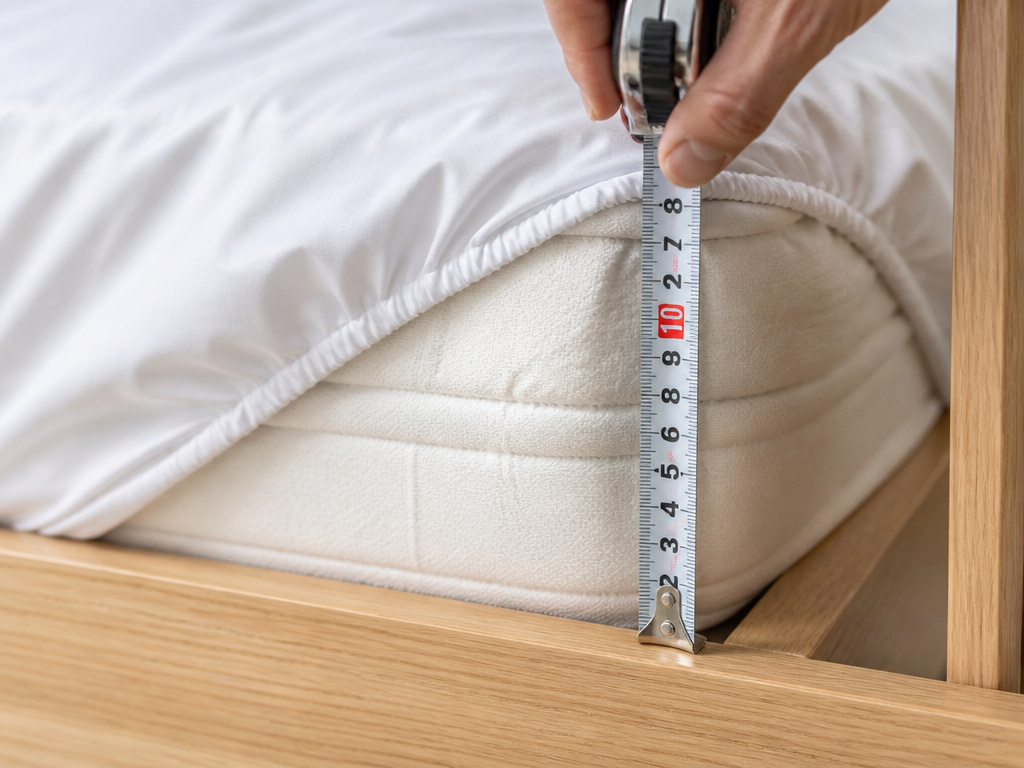
Consumer Reports found only 3 out of 50+ “deep pocket” sheet sets actually fit an 18″ mattress after washing. Here’s how to avoid the mismatch:
- Measure your mattress, include any topper
- Account for cotton’s potential shrinkage by ensuring the pocket depth exceeds your mattress depth.
- Check elastic depth, should exceed mattress + topper
The Company Store’s 20-inch pockets are among the few that verify their claims. For adjustable beds, look for reinforced corners and extra-deep elastic all around.
What are eco-friendly sheet options?
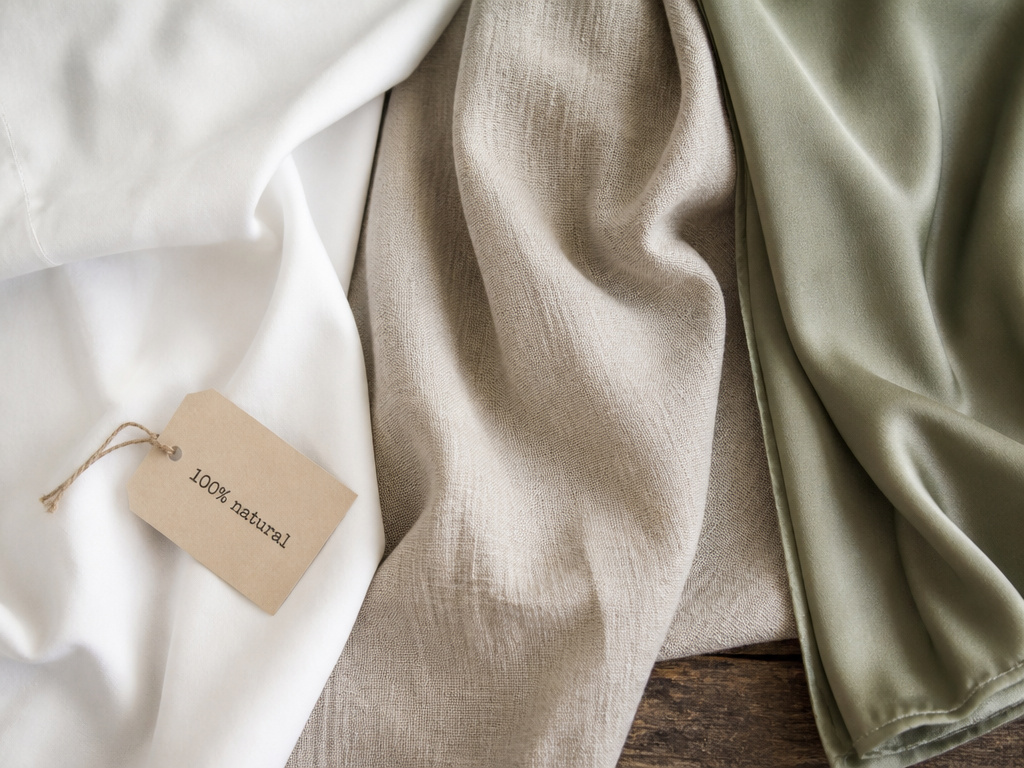
When looking for sustainable sheets, be aware that marketing terms can be misleading. Bamboo sheets, for example, are typically a type of rayon, and the processing involves toxic chemicals. For a more breathable and natural choice, consider 100% cotton sheets. Long-fiber cottons like Pima or Egyptian are often softer and more durable. Linen is another natural option; one study found linen sheets reduced nighttime awakenings compared to cotton in warm conditions. The most eco-friendly sheet is one made from natural fibers that is well-constructed and durable enough to last through many washes, a key goal of how to choose bed sheets.
Frequently Asked Questions
What thread count is best for 100% cotton sheets?
300–400 in percale weave. Higher counts often ply short fibers to inflate numbers without improving durability. L.L.Bean’s 280-thread Pima percale outperforms most 600-thread sheets in strength tests.
How do I know if sheets will fit my thick mattress?
Measure mattress depth plus topper, then add 2″ for cotton’s 6% shrinkage. Sources disagree on what constitutes a ‘deep pocket’: Consumer Reports found very few sheets fit an 18-inch mattress, while The Company Store offers a version fitting up to 20 inches.
Is linen better than cotton for hot sleepers?
Yes, in humid heat above 75°F. A PMC study found linen reduced awakenings by 23% versus cotton at 29–30°C (84–86°F).
Why do my new sheets feel scratchy?
Factory finishes stiffen fibers. Wash them before first use, Long fibers (Pima, Egyptian) soften fastest.
Can I wash sheets with towels?
No. The University of Kentucky’s bedding guide warns against mixing fabric weights. Towels abrade sheets, and sheets wrap around towel loops, straining both. Wash separately.
Before You Go
Judge sheets after the third wash, that’s when finishes fade, shrinkage stabilizes, and true feel emerges. Keep the receipt until then.
Hot climate? Try linen despite the cost, that 23% sleep gain is real. Everyone else: a 300-thread percale in Pima or Supima cotton covers most needs without overpaying for phantom benefits.
Skip the thread count arms race. Comfort comes from fiber length and weave, not inflated numbers.
(Wash cold, hang dry if you want them to last.)
how to tell if sheets are good quality types of bed sheets best cotton sheets sheets for hot sleepers how to wash bed sheets
University of Kentucky health bulletin sleep quality systematic review
