
10 Best Mattress Toppers For Hospital Beds in 2026
This post contains affiliate links. As an Amazon Associate, we earn from qualifying purchases.
Our best overall pick for a hospital bed mattress topper is the Vive Alternating Air Pressure Mattress Pad, thanks to its quiet, automatic pressure relief designed to prevent bed sores. We also highlight top choices for high capacity, ultra-quiet pumps, and budget needs. A hospital bed mattress is often designed for clinical durability, not home comfort or skin protection.
This guide helps you find a topper that adds cushioning and, if needed, therapeutic support. We evaluated specifications, manufacturer data, and patterns in owner feedback to present these ten options, aiming to help you choose confidently.
Top 10 Mattress Toppers For Hospital Beds in the Market
Certain content that appears on this site comes from Amazon. This content is provided "as is" and is subject to change or removal at any time.
The Best Mattress Toppers For Hospital Beds, Reviewed
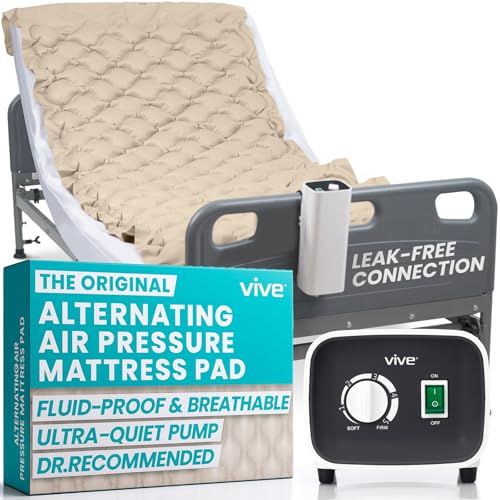
Vive Alternating Air Pressure Mattress Pad
What We Like
- Proprietary algorithm for wave-like pressure relief
- Whisper-quiet pump at just 22 dBA
- Waterproof, durable vinyl construction
- Customizable pressure levels and six-minute cycles
Trade-offs
- 33-inch width may not fully cover wider hospital mattresses
- No remote control mentioned for pump adjustment
A pump operating at 22 decibels means it won’t wake someone already struggling to sleep, which is why this pad stands out for bedridden care. Its 130 air cells work on a six-minute cycle to shift pressure constantly, a design focused squarely on preventing skin breakdown for immobilized patients. That makes it a straightforward choice for anyone needing reliable, automatic pressure relief without the fuss of manual repositioning or a noisy machine disrupting the room.
At just seven pounds, the Vive pad is notably lightweight, making it easier for a caregiver to handle and position than many bulkier alternatives. Its 33-inch width fits a standard hospital bed mattress snugly, though it may not fully cover wider or non-standard surfaces. For users prioritizing a system with proven alternating pressure technology, this model is a leading choice. If a pump-free solution is needed, the Graham-Field 103680 Mattress Topper provides a different approach.
Product photos
Graham-Field 103680 Mattress Toppers

What We Like
- Leak-proof gel core prevents pooling and migration
- Three-layer design redistributes pressure at key points
- Fits most standard and extended-length medical beds
- Durable, easy-to-clean cover for clinical settings
Trade-offs
- At 16.5 lb, it's heavier than many air-filled toppers
- The 4-inch profile reduces overall bed height
- Static design lacks active pressure alternation
Graham-Field’s mattress topper uses a 4-inch, three-layer design for pressure relief, combining a soft convoluted foam top, a visco-elastic gel core, and a high-density foam base. This hybrid construction provides a stable surface that disperses weight evenly, targeting high-risk areas like hips and shoulders to reduce soreness. Its non-aqueous gel is engineered not to pool or migrate, offering consistent performance and long-term reliability without the maintenance of moving parts, making it a set-and-forget solution for home or clinical care.
That gel stability comes from a static support system. Unlike the Vive Alternating Air Pressure Mattress Pad, which is engineered for bed sore prevention in completely immobile patients, this Graham-Field topper does not actively cycle pressure. It is better understood as a substantial comfort upgrade for someone who can still shift position occasionally. It adds a durable, forgiving layer to an existing hospital mattress without needing a pump or power source.
Product photos
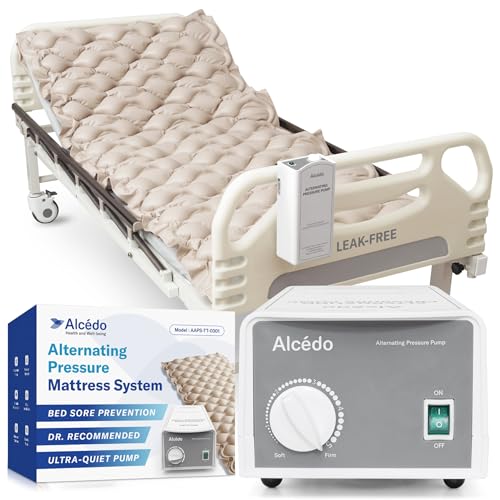
Alcedo Alternating Air Pressure Mattress Pad
What We Like
- Alternating pressure helps prevent bedsores
- Supports up to 300 pounds for durable use
- Five adjustable pressure settings for customization
- FSA/HSA eligible for healthcare savings
Trade-offs
- A 35-inch width may require tucking on wider beds
- Pump requires a nearby outlet and mounting
A 300-pound capacity makes this pad a solid choice for supporting larger individuals who spend extended time in bed. The alternating pressure technology is the main event, designed to improve circulation and relieve pressure on sensitive areas, a practical feature for bedsores. Its medical-grade, waterproof build suits a home care environment where easy cleaning is a priority. For someone needing reliable pressure relief and a higher weight limit, this pad delivers on its core promises without fuss.
Its alternating pressure system actively shifts support to help prevent bedsores and improve circulation. This is a key advantage over static foam toppers like the Graham-Field 103680. The pad’s 35-inch width fits hospital, homecare, and standard beds, but the uninflated edges must be tucked securely beneath the mattress. Setup requires space for the pump and an outlet. For targeted care, the active pressure relief and 300-pound capacity make it a logical choice, whereas a simple drop-on foam overlay might suit those seeking only passive support.
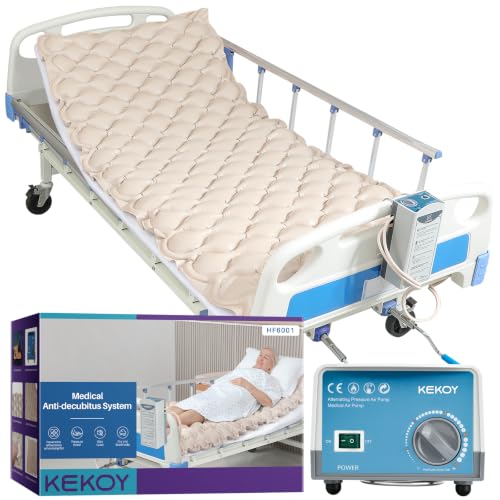
KEKOY Alternating Air Pressure Mattress Pad
What We Like
- Ultra-quiet pump below a whisper's volume
- Five adjustable pressure levels for customization
- Waterproof surface simplifies daily care
- Complete system includes pump and repair kit
Trade-offs
- Pump must remain plugged in continuously
- 75-inch length may not fit all extended hospital beds
A pump that operates below 28 decibels makes this mattress pad a serious consideration for bedrooms where silence is part of the care. That noise level, quieter than a typical whisper, means the gentle inflation and deflation of its 130 air cells won’t become a source of sleep disruption over long nights. It suits a home care environment where both the patient and the caregiver need to rest, offering a system that helps redistribute pressure automatically across vulnerable areas like hips and heels. The five pressure settings allow you to dial in the right firmness, which is helpful when managing someone’s comfort over weeks or months.
The KEKOY pad requires its pump to remain plugged in continuously to function, so a reliable power outlet is essential for its pressure relief system. This constant electricity need means it’s not a practical choice for locations with frequent power outages or for mobile transport, unlike static foam mattress toppers. If you’re considering other alternating air pressure options, the Alcedo pad has the same 75-inch length and 35-inch width.
Product photos
Foam Global Airflow Egg Crate Topper

What We Like
- Extremely lightweight at just 3.1 pounds
- CertiPUR-US certified, latex-free foam
- Convoluted design aids air circulation
- Made in the USA
Trade-offs
- No waterproof cover is included
Weighing 3.1 pounds, the Foam Global Airflow Egg Crate Topper is lighter than most comparable foam and gel overlays, which can simplify logistics like shipping or storage. Its convoluted foam design is intended for pressure relief and air circulation, and the CertiPUR-US certification indicates the foam is free from specific harmful chemicals. The product is made in the USA and fits a hospital bed measuring 33 inches wide by 72 inches long.
The topper is 2 inches thick, which provides a defined cushioning layer. Other products offer greater thickness, such as the 3-inch Graham-Field model or the 3.5-inch HEALTHLINE Wave Gel Overlay. This Foam Global pad offers a basic foam design. Alternatives like the Vive or Alcedo pads incorporate alternating air pressure systems for different clinical approaches.
Product photos
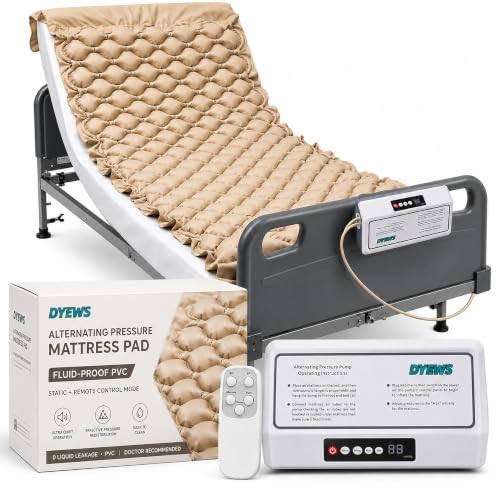
FOMMOF Alternating Air Pressure Mattress Pad
What We Like
- Digital remote for easy pressure adjustment
- Ultra-quiet pump for undisturbed sleep
- High 350 lb weight capacity
- Quick setup with no tools required
Trade-offs
- Pump dimensions require bedside space
A remote-controlled digital display allows a caregiver to adjust firmness from across the room without fumbling at the pump. This feature supports the pad’s purpose of warding off and managing bed sores by making pressure adjustment easy and convenient. Its 130 air cells and 350-pound capacity provide customizable support for bedridden or limited-mobility users.
The pump unit measures 11 by 7 inches, requiring a stable spot on a nightstand or small table. Unlike a simple foam overlay, this alternating air system actively shifts pressure to boost blood flow for bed sore prevention and management. It is designed for users who need that clinical function more than a minimal bedside setup.
Product photos
HEALTHLINE Wave Gel Overlay Mattress

What We Like
- Full-length gel bladders for pressure ulcer prevention
- Upgraded 300 lb weight capacity
- Convoluted foam topper improves comfort and air flow
- Elastic straps secure overlay to mattress
Trade-offs
- Weighs 18.0 pounds.
- Adds 3.5 inches of height to the bed.
A 300 lb weight capacity and full-length gel bladders make this overlay a serious choice for preventing pressure ulcers. It suits caregivers needing a static, non-powered solution that redistributes weight from head to toe, minimizing the risk of bottoming out. The convoluted foam layer adds a comfort and breathability factor basic gel pads often lack.
For someone prioritizing maximum pressure relief without a pump, this is a strong contender.
Careboda Alternating Air Pressure Mattress Pad

What We Like
- 10 customizable pressure levels for adjustable firmness
- Ultra-quiet pump operation for less sleep disruption
- Waterproof PVC material is easy to clean
- Smooth tubular air cells avoid bumpy ridges
Trade-offs
- Requires a power outlet for the pump, limiting placement
The ten adjustable firmness levels let you dial in the exact pressure relief a patient needs, from a soft cushion to a firmer support surface. This makes the Careboda pad a strong option for caregivers managing someone whose comfort or pressure injury risk changes day to day. The alternating pressure cycle happens automatically every six minutes, which can help reduce the physical strain of frequent manual repositioning.
Its smooth, wide air tubes are a noticeable design choice compared to a waffle-style pad, aiming to prevent the grid pattern from imprinting on sensitive skin. While its dimensions fit a standard twin, it’s several inches shorter and narrower than the Vive Alternating Air Pressure Mattress Pad, so measure your bed frame carefully. The quiet pump and hanging hooks do simplify the setup in a home bedroom.
Product photos
DMI Egg Crate Foam Mattress Pad
What We Like
- Egg crate design promotes air circulation for cooling.
- Lightweight at 0.9 lb for easy handling and storage.
- Medical grade foam provides contoured pressure relief.
- Protects the mattress from spills, dirt, and dust.
Trade-offs
- 2-inch thickness offers less cushioning than 3-4 inch toppers.
- Requires 24-48 hours to fully expand after unrolling.
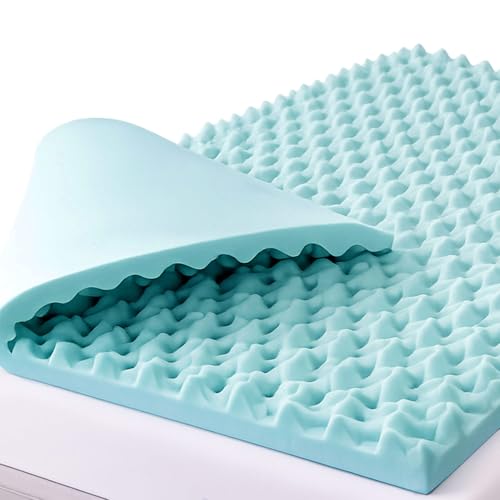
The DMI Egg Crate Foam Mattress Pad uses a 2-inch layer of sculpted medical grade foam, which provides contoured pressure relief for spinal posture and allows for natural air circulation. This makes it a straightforward choice for side or back sleepers needing to reduce pressure on shoulders, hips, and back, or to soften an aged, hard mattress. The convoluted foam design helps prevent pressure sores by allowing the skin to breathe without full contact on the mattress.
Its simplicity and light weight mean it provides less depth of cushioning. You get less substantial separation from the mattress than with thicker foam or gel overlays, such as the Graham-Field model. Consider this pad if your primary needs are ventilation, easy portability, and fundamental pressure point relief on a standard twin-size surface, rather than deep immersion or advanced pressure redistribution.
MABOZOO Wave Shape Foam Topper

What We Like
- Wave-cut foam design promotes air circulation
- Waterproof cover simplifies cleaning and containment
- Non-slip bottom keeps topper securely in place
Trade-offs
- 1.7-inch thickness offers minimal pressure relief depth
- No gel or alternating air pressure for advanced sore prevention
- Requires 24-48 hours to fully expand after unpacking
At 1.7 inches thick, this topper adds a low-profile layer designed for standard hospital beds. Its wave-cut foam aims to evenly distribute weight and promote airflow, which can aid in basic pressure relief and ventilation for bedridden users. The cover is made from 100% waterproof Oxford cloth, allowing spills to be wiped clean for easier hygiene management.
Its slim fit means it lacks substantial cushioning. While it distributes weight, someone with existing sores or very limited mobility might find more meaningful relief from a thicker option like the 4-inch Graham-Field Gel Topper. This topper excels as a preventative base layer or a simple comfort upgrade, not as a therapeutic intervention for advanced care needs.
Product photos
How We Evaluated Mattress Toppers For Hospital Beds
Our research focused on manufacturer specifications, product documentation, and expert round-ups, combined with analyzing common themes in verified owner feedback. The key criteria were pressure relief capability, fit for standard medical bed dimensions, and ease of maintenance for home care settings. We prioritized features that address specific needs like bed sore prevention, caregiver convenience, and patient weight capacity. As a research-based evaluation, we cannot provide hands-on performance data or long-term durability reports beyond what owners have shared.
What To Look For In Mattress Toppers For Hospital Beds
Choosing the right topper involves balancing therapeutic needs, practical care, and the specific features of a medical bed. The right choice can significantly improve comfort and aid in skin health.
Focus on pressure relief type (alternating air, gel, or foam), weight capacity, and proper sizing for your hospital bed frame. Ease of cleaning and noise level are also critical for home care environments.
Pressure Relief Technology
The core purpose is to redistribute pressure away from bony prominences. Alternating air pressure systems, like the best alternating pressure mattresses, use a pump to cycle air through tubes, actively shifting pressure points to help prevent bed sores. Gel overlays and convoluted foam toppers offer static pressure redistribution, which can be sufficient for mobile patients but may not provide the same level of prevention for completely immobile individuals. For those specifically concerned with skin breakdown, dedicated toppers for bed sores are designed with this primary function.
Fit and Compatibility
Hospital beds have specific dimensions; a standard mattress is typically 36 inches wide by 80 inches long, but extended-length and bariatric beds are common. A topper must fit securely without slipping or leaving gaps. Many toppers in this category are 33 to 35 inches wide, which may require slight tucking on a full 36-inch mattress. Ensure the topper’s length accommodates your bed, especially if it’s an extended model. It should also work with your bed’s articulation without bunching, a key consideration when selecting a topper for an adjustable bed.
Care and Maintenance
Home care demands products that are easy to clean and durable. Waterproof or water-resistant surfaces are essential for protecting the underlying replacement hospital bed mattress from spills, moisture, and stains. Look for wipe-clean materials like vinyl or removable, machine-washable covers. For systems with a pump, consider the noise level; a quiet pump is crucial for uninterrupted sleep. Also, check if the topper is compatible with your preferred deep pocket hospital bed sheets without straining the fabric.
- Verify the topper’s weight capacity matches the patient’s weight.
- Confirm the total added height to ensure bed rails and patient transfer are still safe.
- Check for non-slip backing or secure straps to keep the topper in place.
Prioritize a waterproof surface and a quiet pump if choosing an alternating pressure system for long-term home care.
Mattress Toppers For Hospital Beds Compared
The table below compares key features across our top picks at a glance.
| Product | Dimensions (L x W) | Material/Construction Type | Key Feature |
|---|---|---|---|
| Vive Alternating Air Pressure Mattress Pad | 77" L x 33" W | Premium vinyl | Alternating air pressure |
| Graham-Field 103680 Mattress Toppers | 84" L x 42" W | 3-layer foam and gel | Pressure relief overlay |
| Alcedo Alternating Air Pressure Mattress Pad | 75" x 35" | High-density materials | Alternating pressure technology |
| KEKOY Alternating Air Pressure Mattress Pad | 78.7" L x 35.4" W | Medical-grade PVC | Alternating air pressure |
| Foam Global Airflow Egg Crate Topper | 72" L x 33" W | CertiPUR-US foam | Egg crate foam |
| FOMMOF Alternating Air Pressure Mattress Pad | N/A | Durable vinyl | Alternating air pressure |
| HEALTHLINE Wave Gel Overlay Mattress | 76.0" L x 34.0" W | Gel bladders, foam | Gel overlay |
| Careboda Alternating Air Pressure Mattress Pad | 69.7" L x 36.6" W | Premium PVC | Alternating air pressure |
| DMI Egg Crate Foam Mattress Pad | 72" L x 33" W | Medical grade foam | Egg crate foam |
| MABOZOO Wave Shape Foam Topper | 78"L x 36"W | Wave cutting foam | Wave shape foam |
Frequently Asked Questions
What is the best mattress topper for a hospital bed?
The best type depends on the patient’s mobility and risk of pressure ulcers. For immobile patients at high risk, an alternating air pressure mattress pad like our top pick offers active sore prevention. For more mobile patients needing comfort, a gel-foam hybrid or supportive foam topper may be sufficient.
Can you put a mattress topper on a hospital bed mattress?
Yes, a mattress topper is designed to lay directly on top of a standard hospital bed mattress. It is a common way to add comfort and pressure relief without replacing the entire mattress. Ensure the topper is the correct size and has a non-slip bottom or straps to secure it.
What can I put on a hospital bed to make it more comfortable?
Adding a mattress topper is the most effective step. Options range from simple egg crate foam for basic pressure dispersion to advanced alternating air systems. Using comfortable, fitted sheets for hospital beds and supportive pillows for positioning also greatly enhances comfort.
What is the difference between an overlay and a replacement mattress?
An overlay, or topper, sits on top of your existing mattress to add cushioning and pressure relief. A replacement mattress is a completely new unit that swaps out the old one. Toppers are generally more affordable and easier to install, while replacements might be necessary if the original mattress is damaged or insufficient.
Are alternating pressure mattress toppers noisy?
Modern pumps are designed to be very quiet, often operating at a whisper level, which is quieter than a library. Noise complaints are rare for models specifically marketed as ‘ultra-quiet,’ making them suitable for bedroom use.
The Bottom Line
The Vive Alternating Air Pressure Mattress Pad is our best overall pick for caregivers seeking an automatic, quiet solution to help prevent bed sores for a patient in a standard-width hospital bed. For those on a tight budget, the DMI Egg Crate Foam Mattress Pad offers basic pressure relief, while the Alcedo Alternating Air Pressure Mattress Pad is a strong choice for higher weight capacities. When selecting a topper, the most important factor is matching its pressure relief technology, whether active alternating air or static gel/foam, to the patient’s mobility and specific risk of skin breakdown.
