
10 Best Backpacking Mattresses in 2026
This post contains affiliate links. As an Amazon Associate, we earn from qualifying purchases.
The NEMO Equipment NM-TSRAS is our best overall backpacking mattress because it offers an impressively quiet and stable sleep surface. If you’re counting grams, the Therm-a-Rest NeoAir Xlite NXT is the Best Ultralight Classic. For a high R-value, the Big Agnes Rapide SL is a top contender. The right pad balances warmth, packability, and comfort so you wake up rested and ready. This guide is built from research into manufacturer specs, expert round-ups, and patterns in owner feedback. We explain the trade-offs to help you find your perfect match.
Top 10 Backpacking Mattresses in the Market
Certain content that appears on this site comes from Amazon. This content is provided "as is" and is subject to change or removal at any time.
The Best Backpacking Mattresses, Reviewed
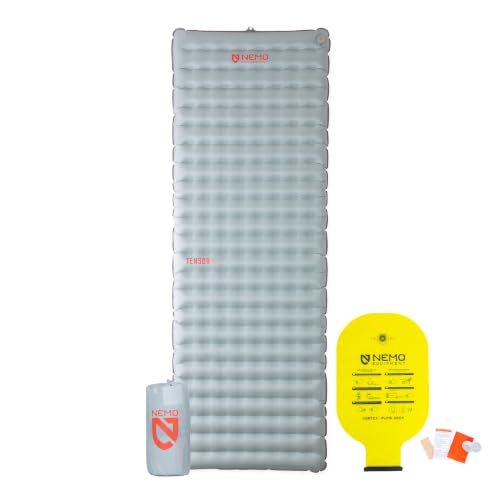
NEMO Equipment NM-TSRAS Backpacking Mattresse
What We Like
- Impressively quiet construction for uninterrupted sleep
- Spaceframe baffles offer unparalleled stability
- Premium nylon fabric provides puncture and tear resistance
- Two-layer Thermal Mirror film for high warmth-to-weight ratio
Trade-offs
- At 1.3 lb, heavier than the ultralight Therm-a-Rest Xlite NXT.
- 3.5-inch height is lower than the plush 4.2-inch Big Agnes Rapide SL.
Low-stretch Spaceframe baffles give the NEMO Tensor All-Season a quiet, stable surface that eliminates springiness, so it stays steady even for restless sleepers. This stability combines with 3.5 inches of cushioned loft for consistent comfort. Two layers of floating Thermal Mirror film provide insulation with a high weight-to-warmth ratio, and bluesign-approved nylon fabrics offer superior puncture and tear resistance for durability on rough terrain.
The trade-off for that stability and quiet is a slight weight penalty. At 1.3 pounds, it’s a touch heavier than the featherlight Therm-a-Rest NeoAir Xlite NXT, a pad you’d choose for pure speed. It also sits lower than some plush competitors, like the 4.2-inch Big Agnes Rapide SL, which offers a more pronounced cradle. For most backpackers, the Tensor All-Season strikes a near-perfect balance, delivering dependable, comfortable sleep without the crinkly noise or instability of many ultralight pads.
Product photos
Therm-a-Rest NeoAir Xlite NXT Sleeping Pad

What We Like
- Exceptional warmth for weight from ThermaCapture tech
- Ultralight packability suits strict weight budgets
- Stable 3-inch thick baffled structure
- Quick inflation and deflation with durable valve
Trade-offs
- Horizontal baffle design provides less pressure dispersal than dimpled pads
- 4.5 R-value is slightly lower than some primary competitors
- 3-inch thickness is thinner than many comfort-focused pads
Weighing just a pound and packing down to the size of a water bottle, the Therm-a-Rest NeoAir Xlite NXT is built for backpackers who count every ounce. Its 4.5 R-value and reflective ThermaCapture technology deliver reliable, year-round warmth from a remarkably small package. Therm-a-Rest calls it the standard for ultralight backpacking, and research notes it is the most classic and best-selling option in the genre.
The trade-off for that legendary weight savings is a firmer, less forgiving sleep surface than you get from pads like the NEMO Tensor. Research comparisons note its non-dimpled horizontal baffles simply aren’t that soft to sleep on, and they sometimes refer to its feel as a surfboard. For those who prioritize comfort and slightly more warmth, research suggests the Tensor’s advantages justify its investment, but the Xlite NXT remains the definitive ultralight classic.
Big Agnes Rapide SL Insulated Sleeping Pad

What We Like
- Exceptionally high R-value for three-season warmth
- Ultralight double ripstop nylon for durability
- Quick inflation with included high-volume sack
Trade-offs
- At 20 inches wide, it's narrower than many competitors.
- Slightly heavier than the 1.0-pound Therm-a-Rest NeoAir Xlite NXT.
Big Agnes rates the Rapide SL for three-season use with an R-value up to 4.8, a level of insulation suitable for most backpacking outside of winter. Its quilted top and 4.2-inch thickness create a stable sleeping surface designed to minimize the bounce common in simpler air mattresses. This combination makes it a choice for backpackers seeking reliable warmth and comfort.
That warmth does come with a slight weight penalty compared to the absolute lightest options, and the regular width is a snug 20 inches. If you prioritize maximum warmth per ounce and can live with the standard width, this is your pad. For those who find the horizontal baffles of a Therm-a-Rest NeoAir Xlite NXT too firm, the Big Agnes offers a distinctly plusher and more forgiving sleep surface.
Product photos
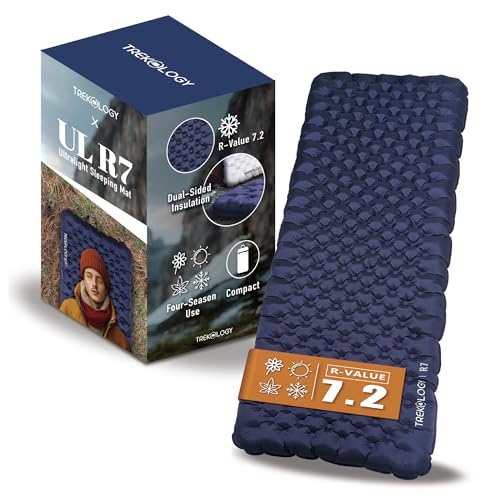
TREKOLOGY All-Season Sleeping Pad
What We Like
- High 7.2 R-value for all-season insulation
- Four-inch thickness prevents bottoming out
- Durable 40D ripstop construction supports 330 lbs
Trade-offs
- Weighs 2.0 pounds, heavier than many ultralight pads
- Requires separate pump bag or mouth inflation
- Best suited for sleepers up to 5'11" tall
The 7.2 R-value is the key here, offering legitimate four-season insulation that shields you from ground chill in a wide range of conditions. This makes the pad a standout for backpackers who prioritize warmth across unpredictable weather without needing a dedicated winter mat. Its four-inch thickness and supportive surface cater well to side sleepers who need extra cushion to avoid hip pressure, and the durable fabric inspires confidence on rough terrain. You get serious thermal performance that punches above its price point.
At two pounds, the TREKOLOGY pad carries a noticeable weight penalty compared to many dedicated backpacking mats, like the one-pound Therm-a-Rest NeoAir Xlite NXT. This trade-off brings a substantial 7.2 R-value for all-season insulation and a high 330-pound weight capacity, prioritizing reliable warmth and support over ultralight minimalism. For a hiker whose trips regularly dip into colder temperatures, or who simply values a durable, supportive sleep above shaving the last few ounces, this pad delivers its promised features.
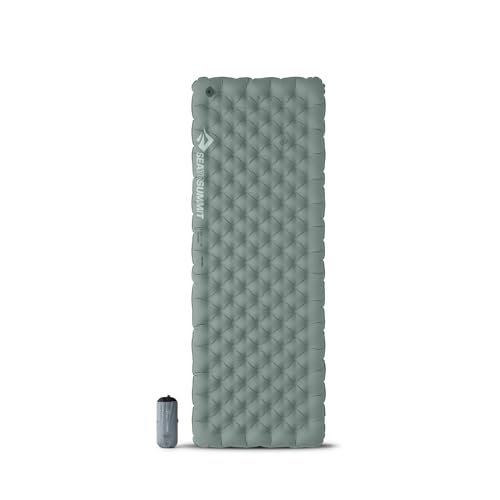
Sea to Summit Ether Light XR Sleeping Pad
What We Like
- Plush 3.9-inch thickness for stable support
- ThermalCore insulation for quiet, efficient warmth
- Fast inflation and deflation with XPRESS valve
- Adapts to side, back, and stomach sleeping
Trade-offs
- At 1.3 lb, heavier than some ultralight pads like the NeoAir Xlite NXT
- 4.1 R-value limits extreme cold use compared to higher-R pads
A 3.9-inch thickness creates a genuinely plush sleeping surface, the kind that makes you forget you’re on the ground. This pad is built for comfort-seekers who toss and turn, thanks to its Air Sprung Cell construction that cradles hips and shoulders without bottoming out. The integrated pumpsack and a solid 4.1 R-value mean you get practical warmth and convenience to match that cushion. It’s the logical choice for anyone prioritizing bed-like comfort on three-season trips.
With an ASTM-tested R-Value of 4.1, this pad is designed for extended three-season use in a wide range of backcountry temperatures. The 4-inch thickness and Air Sprung Cell construction provide stable, cushioned support that adapts to side, back, and stomach sleepers, which is a key advantage for comfort on uneven ground. At 1.3 pounds, it is not the lightest option; the Therm-a-Rest NeoAir Xlite NXT, for example, weighs 1.0 pound. For backpackers who prioritize plush sleep over minimizing every ounce, this trade-off can be sensible.
Product photos
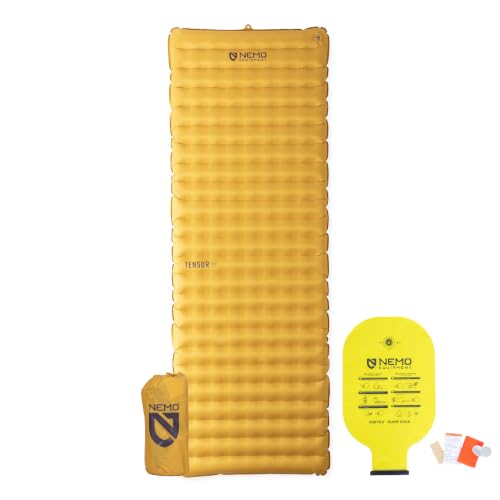
NEMO Equipment NM-TSRTR Backpacking Mattresse
What We Like
- Quiet, non-crinkly Thermal Mirror insulation
- Stable Spaceframe baffles eliminate springiness
- Generous 3.5-inch loft for cushioned comfort
- Lightweight, tear-resistant nylon construction
Trade-offs
- Warm-weather focus limits extreme cold use
- Wider 25.2-inch profile may not fit all tents
A 1.0-pound pack weight paired with impressively quiet materials makes this a pad for the light sleeper who values peace over all else. The Spaceframe baffles provide a stable platform that doesn’t bounce or squirm, so you stay put on your side all night. Its Thermal Mirror insulation is designed for warm-weather efficiency, shaving grams without the crinkly noise of traditional reflective layers. This combination suits backpackers who prioritize a silent, stable sleep above maximum loft or winter-ready warmth.
The NEMO Tensor Trail prioritizes stability and quiet operation for three-season backpacking, not extreme winter use. Its 3.5-inch loft provides cushioned sleep, while its Spaceframe baffles and Thermal Mirror insulation focus on eliminating disruptive noise and motion transfer. This design directly addresses the common complaint of waking up from a noisy, springy pad.
Product photos
BISINNA Insulated Sleeping Pad
What We Like
- Exceptionally high R‑value for extreme cold
- Includes a multi‑use pump sack for inflation
- Durable, ultralight ripstop nylon construction
Trade-offs
- At 26.6 oz, it is heavier than many ultralight pads
- Packs larger than some competing insulated models
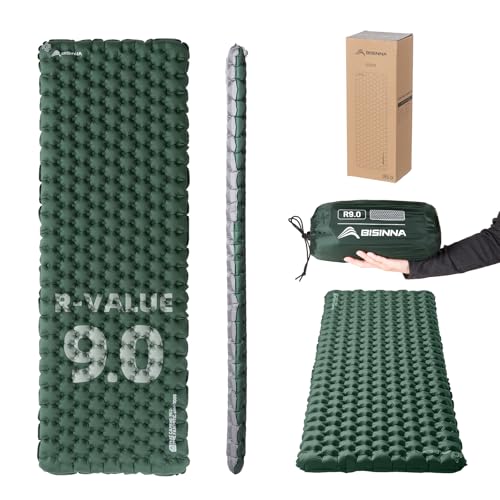
An SGS‑tested R‑value of 9 means this pad is built for frozen ground and winter mountaineering, delivering a warmth-to-weight ratio that makes serious cold-weather camping accessible. It suits backpackers who prioritize thermal security over absolute minimalism, offering a wide, stable platform that comfortably accommodates side sleepers and taller adults on extended trips. The included pump sack eliminates the chore of lung-powered inflation, a small but significant luxury when the air is biting.
With a verified R-value of 9, the BISINNA pad delivers true four-season warmth for winter mountaineering or high-altitude summer treks. That high insulation comes with a packed weight of 26.6 ounces. This is heavier than some ultralight pads like the Therm-a-Rest NeoAir Xlite NXT or the Gear Doctors Ether pad. You carry this extra weight for a reliable thermal barrier on snow or frozen ground where lighter pads may not suffice.
Product photos
Therm-a-Rest Z Lite Foam Sleeping Pad
What We Like
- Lightweight and compact closed-cell foam
- Softer top layer for comfort, denser bottom for insulation
- Durable and economical option
Trade-offs
- 0.8-inch thickness offers minimal cushioning versus inflatables
- Folded size is larger than packed inflatable pads
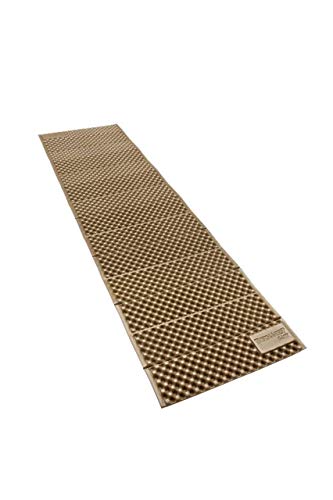
At 14 ounces, the Therm-a-Rest Z Lite is a durable and economical foam pad that eliminates concerns about punctures or leaks. Trusted by mountaineers and backpackers for generations, its accordion-style construction folds down compactly for easy packing. The closed-cell foam requires no inflation, so it’s ready to use instantly, and its design is softer on top for comfort while denser on the bottom for ground insulation.
For side sleepers or those seeking more insulation, a pad like the NEMO Tensor All-Season offers significantly more cushion and warmth, but at a higher cost and with the maintenance an inflatable requires. The Z Lite’s value is in being the bedrock you build a lighter, simpler kit around.
Gear Doctors Ether Ultralight Sleeping Pad
What We Like
- Packs to a water-bottle-sized cylinder
- Includes detachable foot pump for lung-free inflation
- Ergonomic U-shape design for stability and comfort
- Lifetime replacement warranty with no return required
Trade-offs
- R-value of 2 limits use to warm-weather camping
- At 22 inches wide, it is narrower than several competitors
- The tapered center is over an inch thinner than the edges
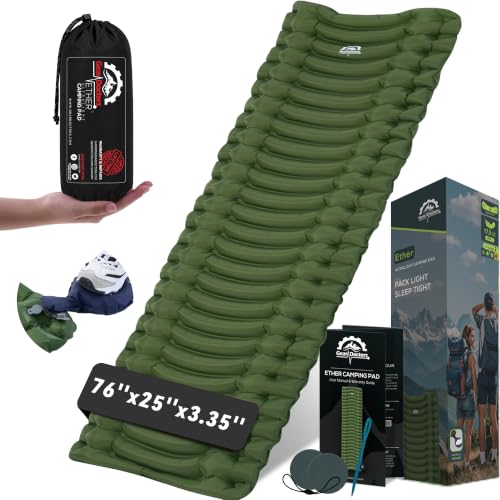
A packed size of 8.6 by 3.1 inches means this pad disappears into your pack like a spare water bottle, which is the entire point for an ultralight backpacker counting every ounce and cubic inch. The Ether Ultralight is built for the minimalist who prioritizes a tiny pack footprint above all else, and its included foot pump sidesteps the unpleasant morning ritual of blowing up a pad with tired lungs. It’s a straightforward choice for anyone whose gear list is dictated by volume.
Its 22-inch width is narrower than models like the NEMO Tensor or Sea to Summit Ether Light XR, which are 25.2 inches wide, so side sleepers may need to be more conscious of their positioning. The pad’s 2 R-value insulation designates it for spring and summer camping, as it lacks the thermal rating for colder, three-season nights. This combination of a slim profile and light insulation delivers the bottle-sized portability highlighted in its marketing, prioritizing compactness over a generous sleep surface or extended seasonal use.
Product photos
FlexRest Pro Insulated Sleeping Pad
What We Like
- Mummy-style taper reduces heat loss in bags
- 4.9 R-value provides dependable four-season insulation
- Vortex Valve allows for fast inflation and pressure control
- Puncture-resistant TPU material enhances durability
Trade-offs
- 20-inch width is narrower than many rectangular pads
- At 1.4 pounds, it is heavier than some ultralight models
- 3-inch height offers less loft than thicker, plusher pads
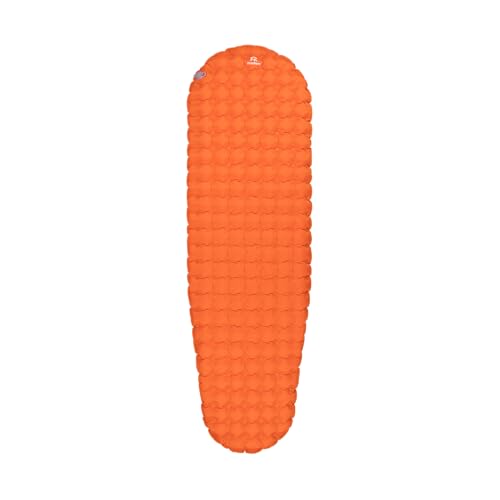
An ASTM R-value of 4.9 means this pad is built to handle genuinely cold ground, making it a reliable choice for three-season trips that might dip into winter conditions. Its tapered mummy shape is the key feature, designed to nest efficiently inside a corresponding sleeping bag. This design minimizes dead air space and focuses the insulation exactly where your body needs it, which is why it excels for backpackers who prioritize thermal efficiency and pack compatibility over sprawling space.
This pad’s 20-inch width creates a precise, body-hugging platform designed to fit standard mummy sleeping bags and reduce heat loss. That focused warmth comes with a sleeping surface noticeably narrower than a standard rectangular pad, which some sleepers may find restrictive. For a much wider sleeping area and a higher R-value of 7.2, you could consider the TREKOLOGY All-Season Sleeping Pad, though that model carries a significant weight penalty at 2.0 pounds.
Product photos
How We Evaluated Backpacking Mattresses
Our evaluation began with manufacturer specifications and documentation to establish baseline performance on weight, dimensions, and insulation ratings. We then cross-referenced these specs against detailed expert round-ups from trusted outdoor publications to identify which features translate to real-world comfort and durability. Finally, we analyzed patterns in verified owner feedback to confirm long-term reliability and common pain points like noise or inflation quirks.
The three criteria that mattered most were warmth (measured by R-value), packed size and weight, and sleeping comfort for different positions. A high R-value is useless if the pad is too bulky to carry, and a lightweight pad fails if you can’t sleep on it. We prioritized pads that made smart compromises for their intended use.
This guide is based on a review of product specifications and aggregated user feedback. While long-term durability and subjective comfort comparisons are not covered here, the consensus from experts and many users helps identify the top contenders.
What To Look For In Backpacking Mattresses
Choosing a backpacking mattress means balancing three competing priorities: it must keep you warm, pack down small, and provide enough cushion for a decent night’s sleep. Your ideal pad depends on your typical trip conditions, sleep style, and how much weight you’re willing to carry.
The key is matching the pad’s R-value to your coldest expected temperatures, ensuring its packed size fits your pack, and selecting a thickness and design that supports your preferred sleeping position.
Warmth (R-Value)
R-value is a standardized measure of a pad’s resistance to heat flow; a higher number means better insulation from the cold ground. For summer camping, an R-value of 2 to 3 is often sufficient. Three-season backpacking generally calls for an R-value between 4 and 5, while dedicated winter or alpine use requires an R-value of 5 or higher, like the models we highlight for extreme cold. Remember that self-inflating mattresses often have built-in foam for insulation, while many of the best backpacking air mattresses use reflective films or synthetic fills.
Weight & Packed Size
Every ounce counts when you’re carrying everything on your back. Ultralight inflatable pads can weigh under a pound, while more substantial insulated or foam camping mattresses are heavier. Packed volume is equally critical; a pad that stuffs to the size of a water bottle frees up space for other gear. Popular lightweight camping mattresses achieve this small pack size through advanced fabrics and efficient baffle designs, though this can sometimes trade off with durability.
Comfort & Support
Comfort is subjective but hinges on thickness, width, and surface design. Side sleepers typically need at least 3 inches of loft to prevent hips and shoulders from bottoming out, making them a key audience for dedicated mattresses for side sleepers. Width is another factor; a standard 20-inch pad feels confining for some, while a 25-inch wide model offers more room to move. The internal structure, whether horizontal baffles, vertical tubes, or dimpled patterns, affects stability and pressure dispersal.
- Check the pad’s maximum height or “loft” to gauge cushioning.
- Consider a wider model if you tend to shift positions at night.
- Look for pads praised for stability, not a “bouncy” or “springy” feel.
- Ensure the length accommodates your height, especially if you’re tall.
- Pair your pad with a supportive backpacking pillow for complete sleep system comfort.
Your sleeping bag or backpacking quilt provides top-side warmth, but a good pad is non-negotiable for insulation from the ground.
Backpacking Mattresses Compared
The following table compares key specifications across all ten picks to help you see the differences at a glance.
| Product | Weight | Thickness | Dimensions (Inflated) |
|---|---|---|---|
| NEMO Equipment NM-TSRAS Backpacking Mattresse | 1.3 pounds | 3.5 inches | 72.0 x 25.2 inches |
| Therm-a-Rest NeoAir Xlite NXT Sleeping Pad | 1.0 Pounds | 3.0 inches | 72.0 x 25.0 inches |
| Big Agnes Rapide SL Insulated Sleeping Pad | 1.1 Pounds | 4.2 inches | 72.0 x 20.0 inches |
| TREKOLOGY All-Season Sleeping Pad | 2.0 pounds | 4 inches | 70.9 x 23.6 inches |
| Sea to Summit Ether Light XR Sleeping Pad | 1.3 pounds | 3.9 inches | 72.0 x 25.2 inches |
| NEMO Equipment NM-TSRTR Backpacking Mattresse | 1.0 Pounds | 3.5 inches | 72.0 x 25.2 inches |
| BISINNA Insulated Sleeping Pad | 2.0 Pounds | 3.5 inches | 72.0 x 25.0 inches |
| Therm-a-Rest Z Lite Foam Sleeping Pad | 14 ounces | 0.8 inches | 72 x 20 inches |
| Gear Doctors Ether Ultralight Sleeping Pad | 17.5 oz | 3.35" edges | 72.0 x 22.0 inches |
| FlexRest Pro Insulated Sleeping Pad | 1.4 Pounds | 3.0 inches | 72 x 20 inches |
Frequently Asked Questions
What is the most comfortable backpacking mattress for side sleepers?
Side sleepers generally need thicker pads to cushion pressure points. With its 3.9-inch thickness and stable support, the Sea to Summit Ether Light XR is our pick for Best Plush Comfort and is well-suited for side sleeping. Pads with vertical or offset baffles also disperse weight better than simple horizontal designs.
How do I choose the right R-value for my backpacking trips?
Match the R-value to the coldest temperatures you expect. For summer, R-2 to R-3 may suffice. For three-season use in variable conditions, aim for R-4 to R-5. For winter camping or cold sleepers, select a pad with an R-value of 5 or higher, like our best high R-value or extreme cold value picks.
Are inflatable or foam pads better for backpacking?
It’s a trade-off. Inflatable pads offer superior comfort and pack smaller but risk punctures. Closed-cell foam pads like our budget pick are virtually indestructible, provide consistent insulation, and are often lighter for their size, but they are less cushioned and bulkier to carry externally on your pack.
Why does my inflatable sleeping pad keep deflating?
Slow deflation is usually caused by a microscopic leak, a faulty valve, or temperature change. Air contracts as it cools at night, making the pad feel softer. To check for leaks, inflate the pad fully, submerge it in water, and look for escaping bubbles. Always store your pad loosely rolled or flat, not tightly folded.
Can I use a regular air mattress for backpacking?
No, standard air mattresses are too heavy, bulky, and poorly insulated for backpacking. Backpacking-specific pads are made from lightweight, durable materials with engineered insulation (R-value) to protect you from ground cold. They are designed to pack down small and weigh a fraction of a regular air mattress.
The Bottom Line
The NEMO Equipment NM-TSRAS is the best overall backpacking mattress for most people, delivering a quiet, stable sleep without excessive weight. It’s the right choice if you want reliable three-season comfort and hate crinkly noises.
If you’re on a strict budget or prioritize absolute simplicity, the Therm-a-Rest Z Lite Foam pad is a reliable, no-fuss option. For thru-hikers counting every ounce, the Therm-a-Rest NeoAir Xlite NXT remains the ultralight classic.
Ultimately, the single most important factor is matching the pad’s warmth (R-value) to your coldest nights, because no amount of cushioning will help if you’re shivering on the ground.
